How Long Does Water Heater Installation Take? (Typical Timelines + What Can Add Time)
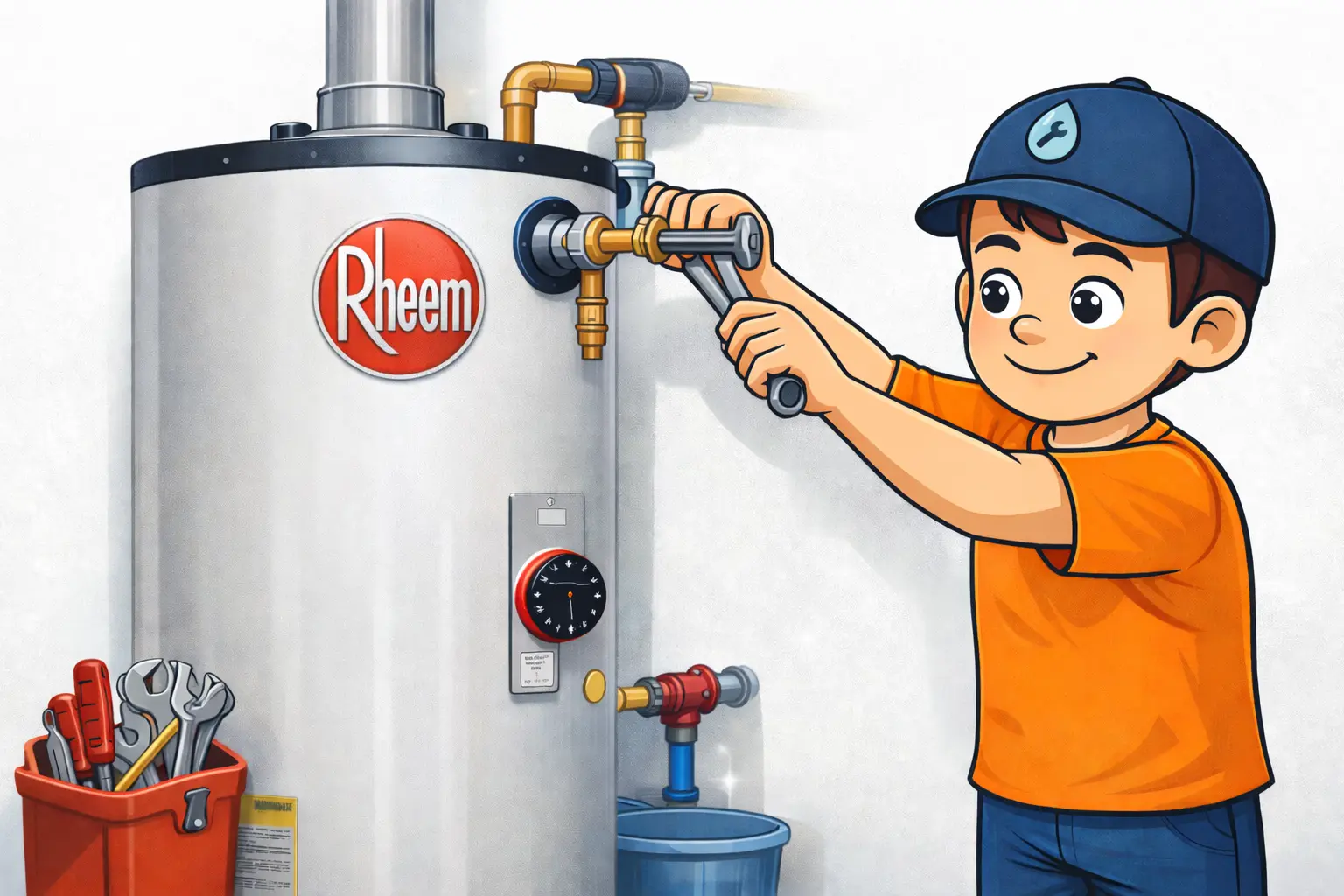
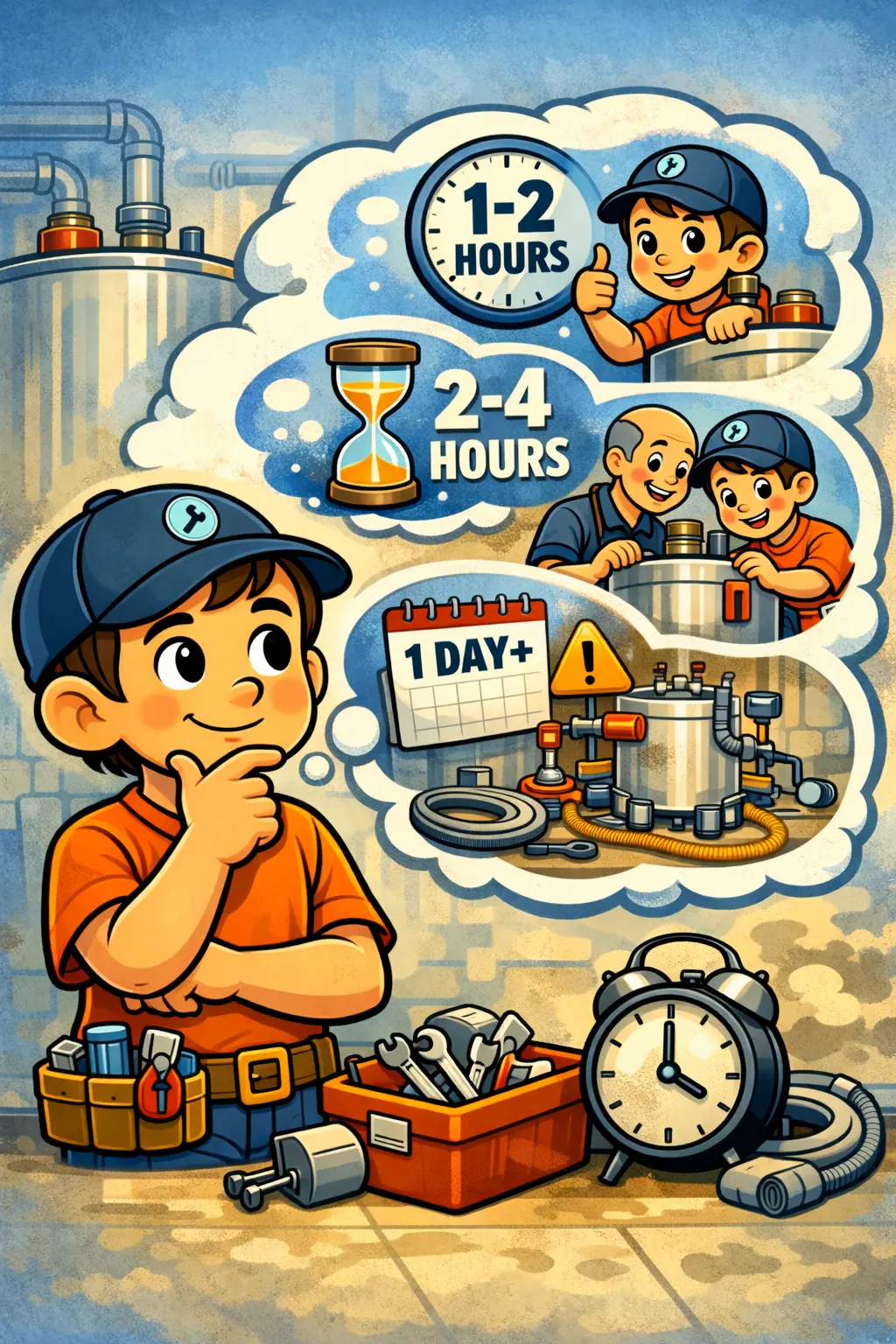
Most standard water heater installations and replacements can be completed in one day. But the exact time depends on the type of heater, how accessible the location is, and whether any updates are needed for a safe, reliable install.
This guide explains what makes an installation faster, what commonly adds time, and what to do if your water heater is leaking and you need help quickly.
Typical water heater installation timelines
Here’s a realistic way to think about time. The simplest replacements are usually completed the same day. More complex installs can take longer depending on what has to be updated.
- Standard tank replacement (simple swap): often completed in one day when it’s the same fuel type and the existing setup is in good shape.
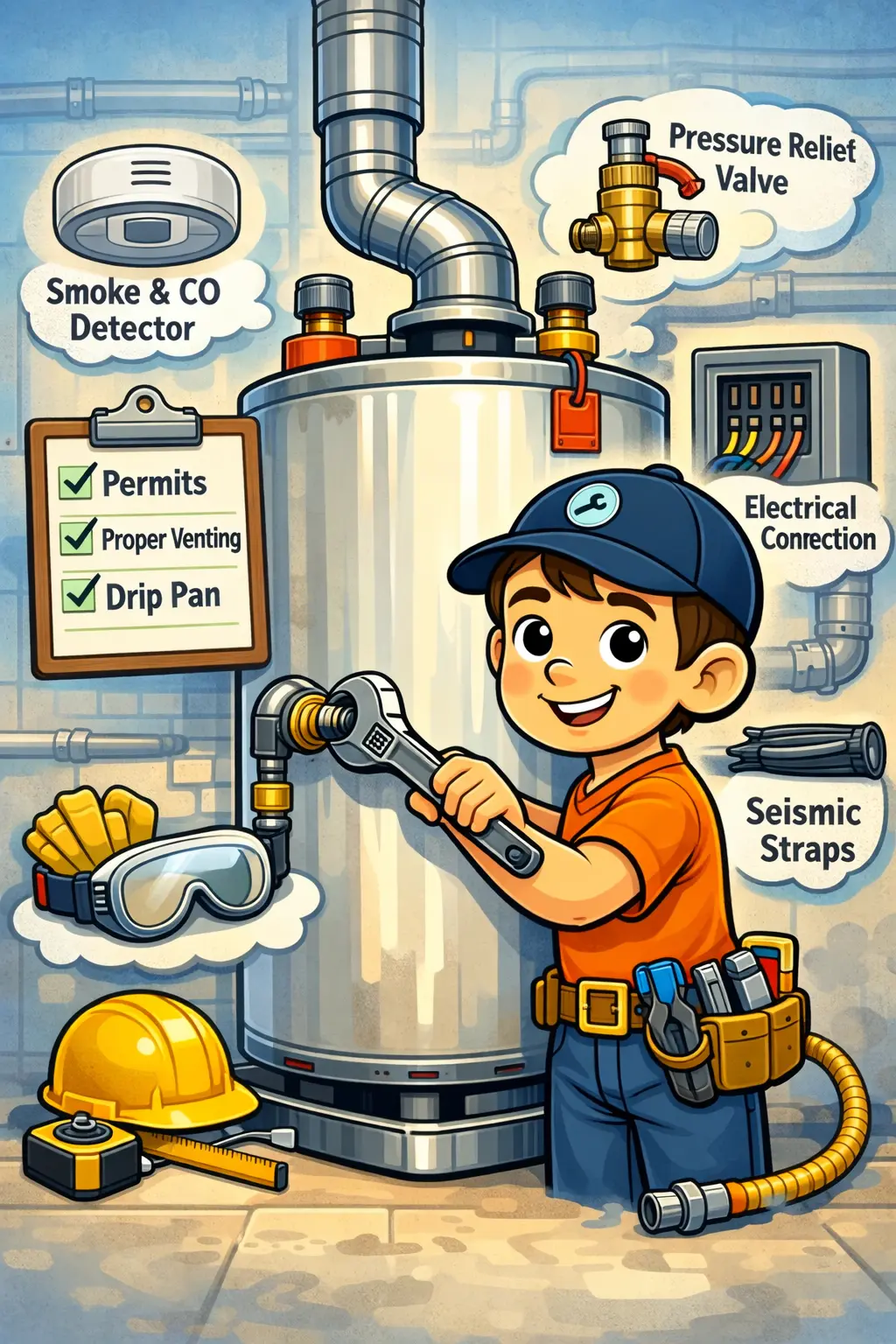
- Tank replacement with updates: still commonly same-day, but may take longer if venting, valves, supply lines, drain pan, or discharge routing needs work.
- Tankless installation or conversion: usually takes longer than a tank swap because compatibility checks and routing requirements are more involved.
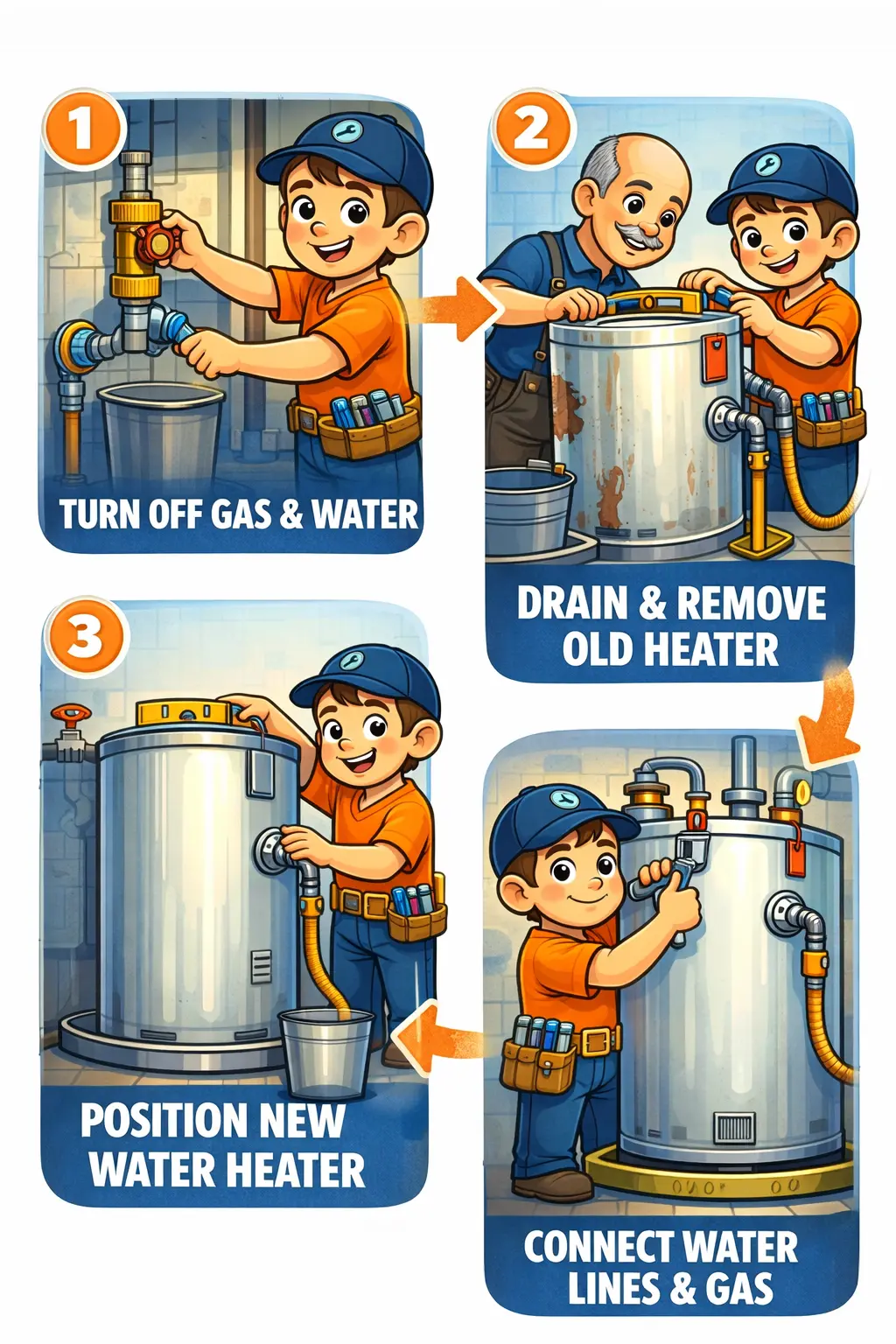
If you want the full step-by-step of what happens during installation, see: Water Heater Installation Process.
What makes installs faster
The fastest installs are usually “like-for-like” swaps with easy access and minimal changes needed.
- Same fuel type swap (gas-to-gas or electric-to-electric)
- Easy access and standard placement (garage or open utility area)
- No venting or connection updates needed (existing setup is already clean and safe)
- Similar size/capacity replacement that fits the space without changes
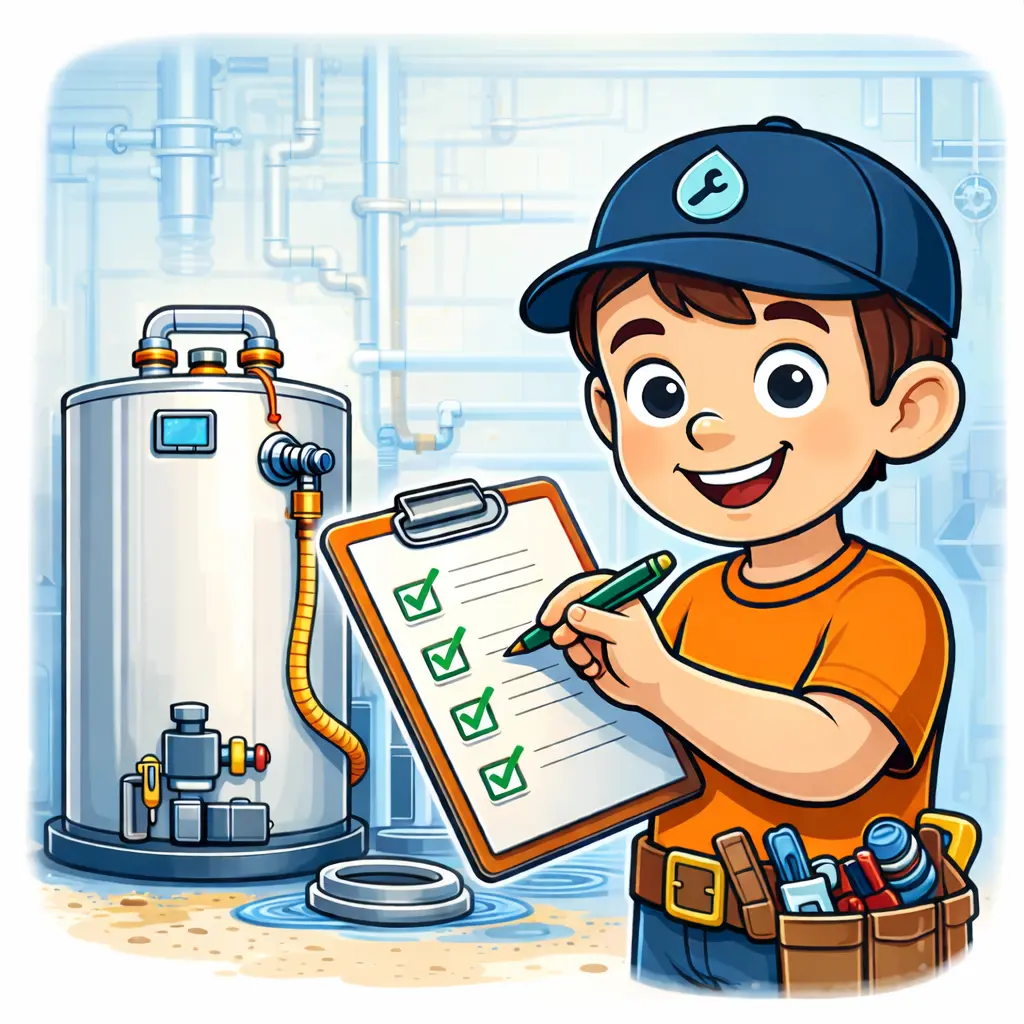
Want to confirm what “complete” looks like, even on a quick install? Use this reference: Water Heater Installation Checklist.
What can add time
Time usually increases when the installer needs to address safety, access, or compatibility issues. These are the most common reasons:
- Tight closets or difficult access (limited space, attic installs, stairs, tight clearances)
- Venting adjustments (gas units) or vent connection issues that must be corrected
- Valve or supply line updates (old shutoffs, corroded fittings, worn lines)
- Drain pan or discharge routing updates to better protect the home
- Relocation (moving the heater to a different location or changing placement)
If you want a clear list of the most common “requirements” that affect install complexity, read: Water Heater Installation Requirements.
How tankless changes the timeline
Tankless installation is not just a “swap.” It often requires more planning because performance depends on proper sizing and the home’s compatibility.
Things that can affect tankless install time:
- Compatibility checks (fuel type, gas/electrical capacity)
- Mounting location and routing for service access
- Venting strategy (for gas tankless models)
- Drain/condensate management (common on many units)
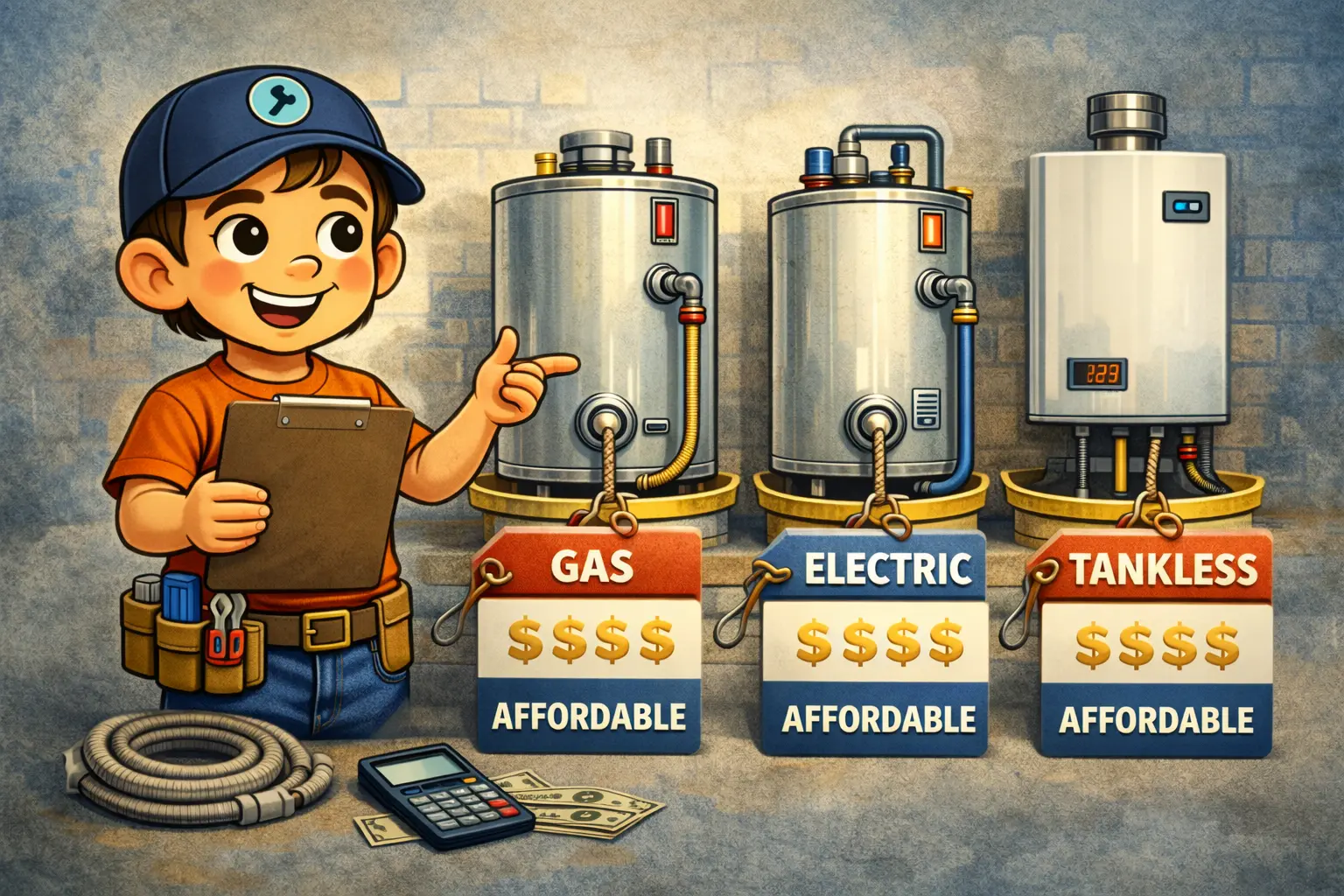
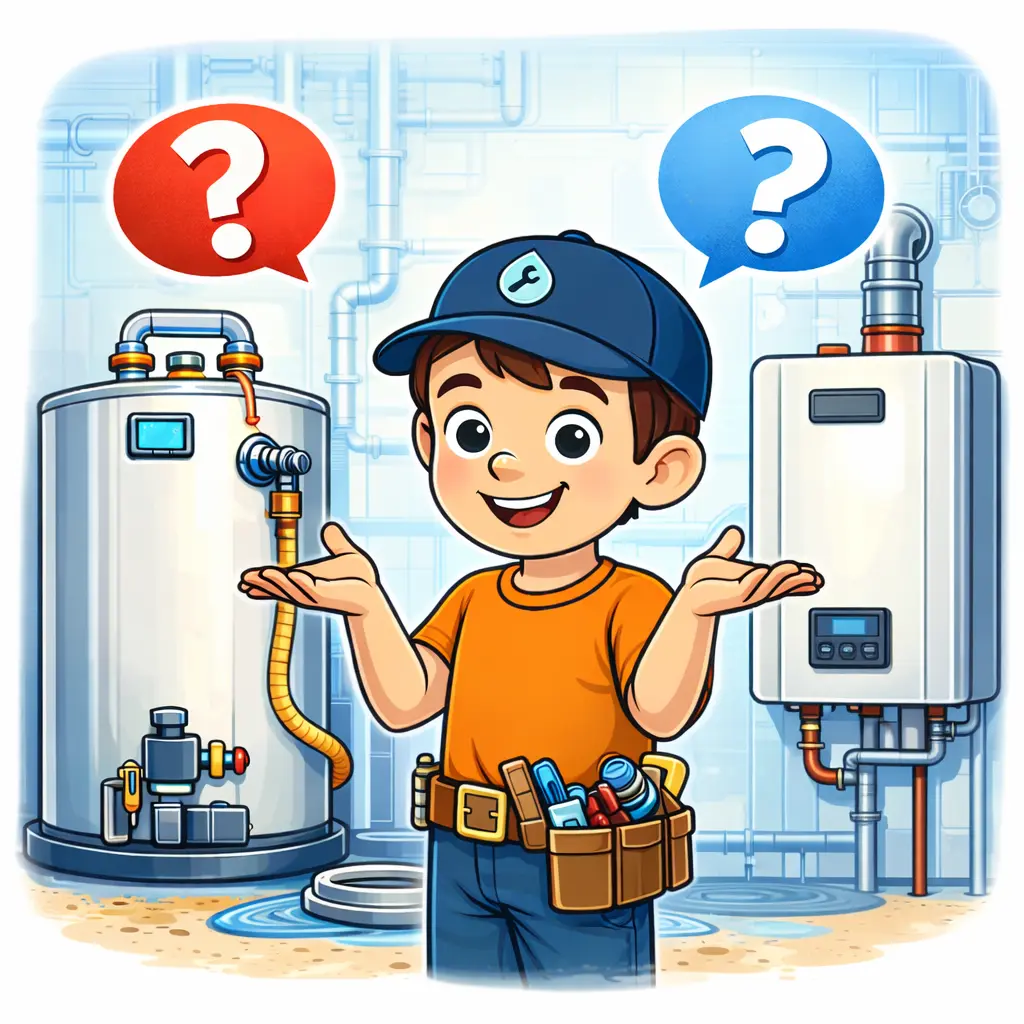
If you’re still deciding between options, compare them here: Tank vs Tankless Water Heater.
If your unit is leaking and you need fast help
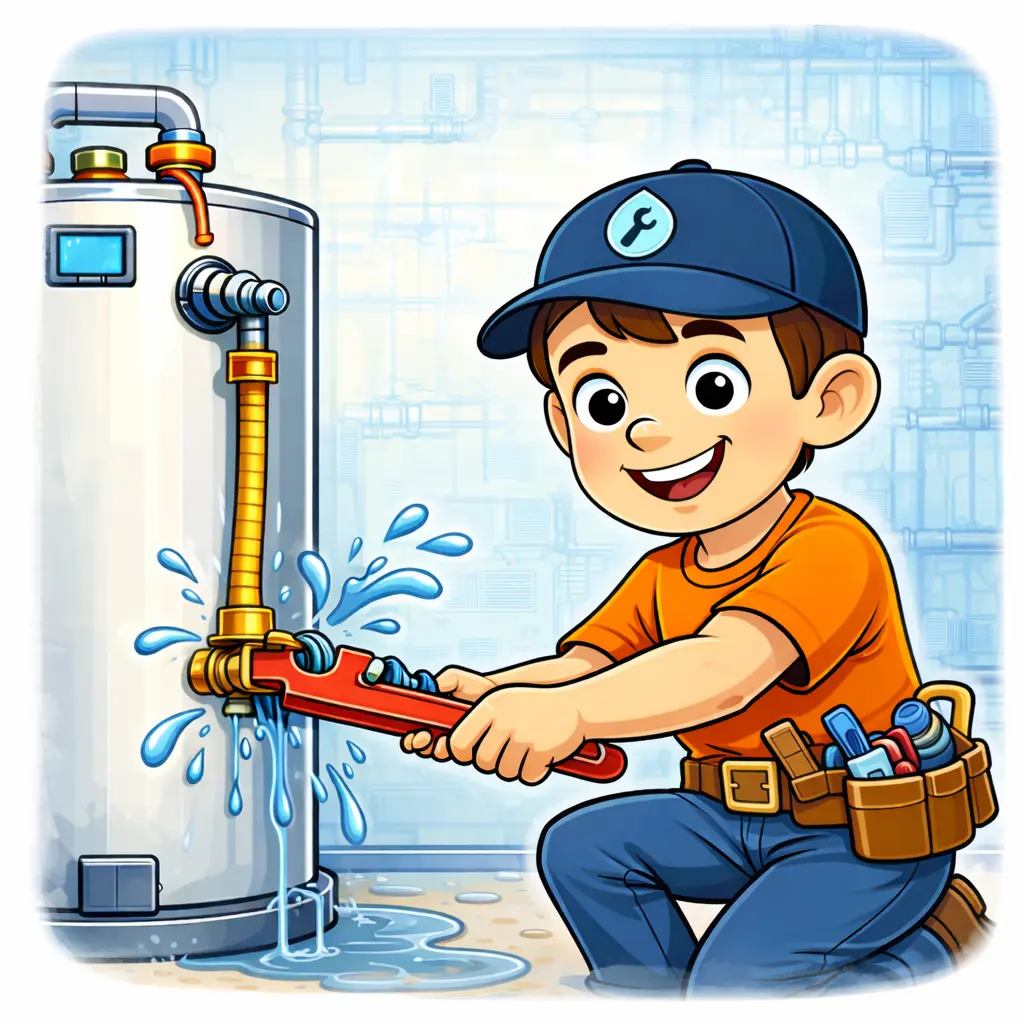
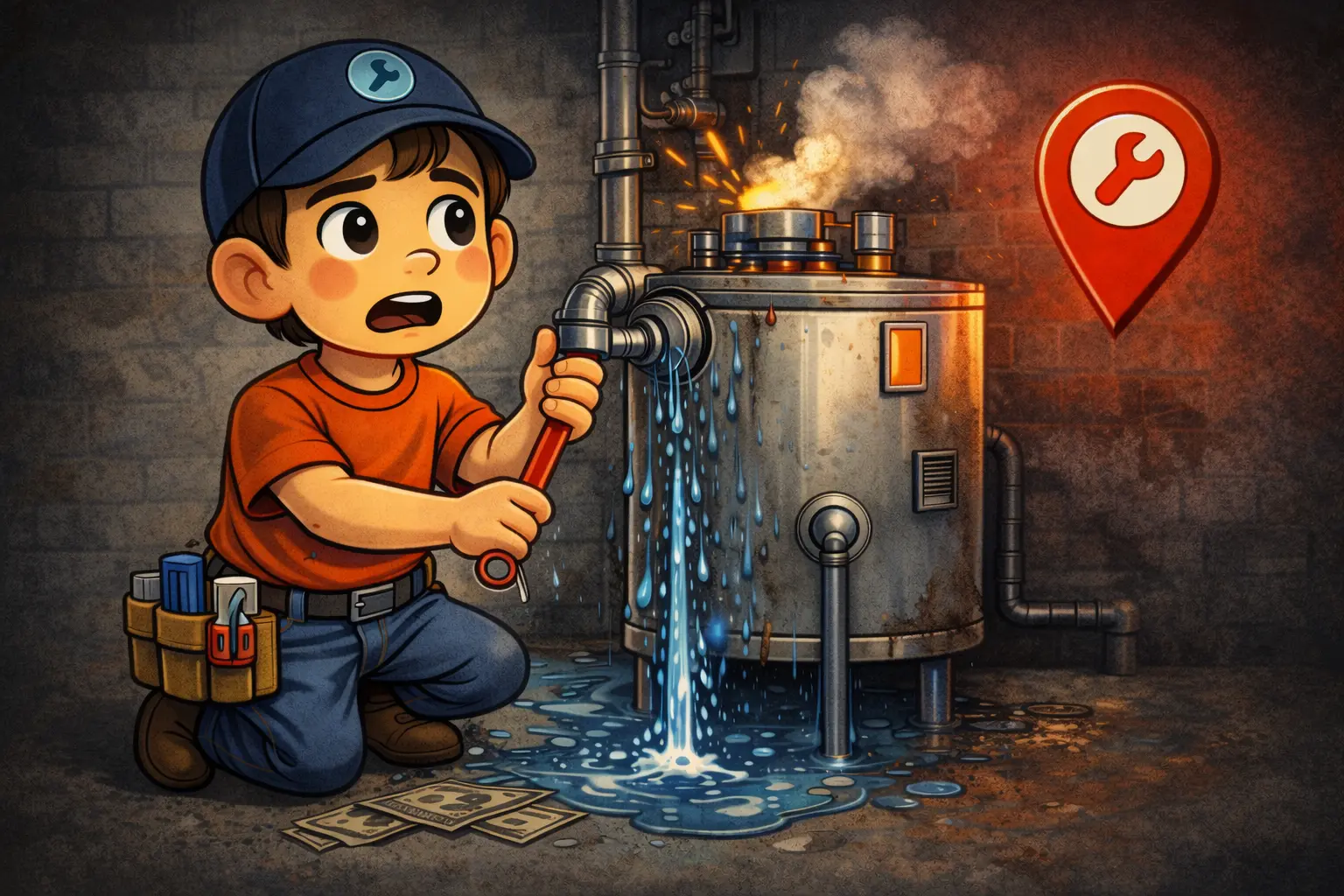
If you’re seeing water around the base, treat it as urgent. A small drip can turn into water damage quickly. Your first goal is safety and damage control.
- Shut off the cold water supply to the heater (usually a valve above the unit).
- Turn off power at the breaker (electric) or set gas control to the safe OFF setting (gas).
- Contain water and protect nearby items.
- Call for the fastest available option based on scheduling and severity.
For a full step-by-step leak response guide, use: Water Heater Leaking: What to Do.
If you need emergency help in your area, start here: Emergency Plumbing Near Me.
What to expect on install day (so you know it’s done right)
Regardless of whether your install is fast or more involved, the finish should include verification—not just “it’s installed.” A professional wrap-up includes:
- Leak checks at visible fittings and connections
- Heating verified (hot water output confirmed)
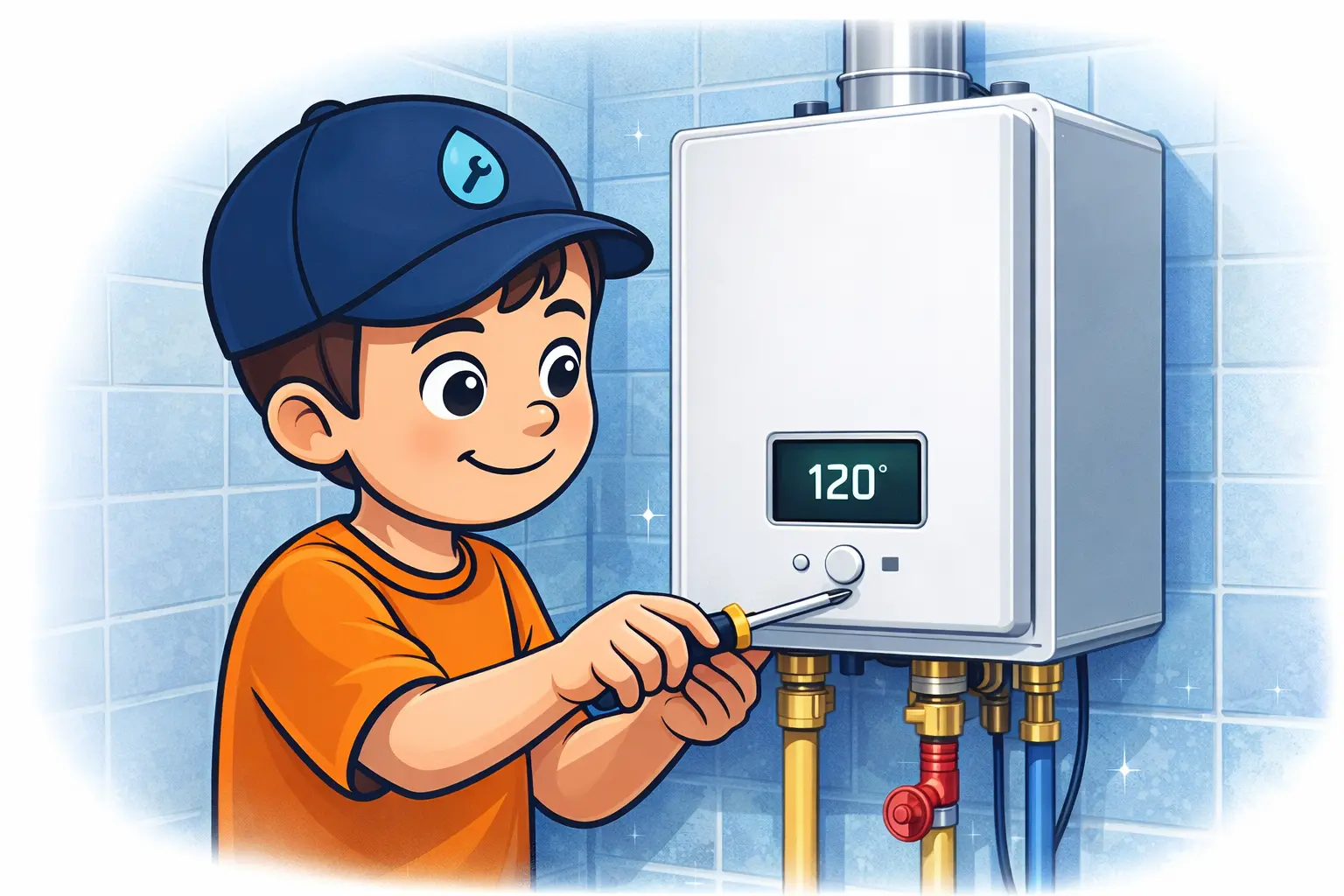
- Temperature settings reviewed and explained
- Quick walkthrough (where the shutoff is, what to watch for)
Here’s a homeowner-friendly checklist you can keep handy: Water Heater Installation Checklist.