Water Heater Sediment Symptoms: Signs, Causes, and What to Do Next
Sediment is one of the most common reasons older tank water heaters start acting up. It can quietly reduce hot water capacity, slow recovery, and make the unit work harder than it should—until one day you’re dealing with loud noises, lukewarm showers, or a heater that just can’t keep up.
In this guide, you’ll learn the most common water heater sediment symptoms, why sediment forms, when flushing can help, and when sediment becomes a sign that it’s smarter to replace the unit. (And if you’re already comparing repair vs replacement, we’ll link you to the decision pages too.)
What is sediment in a water heater?
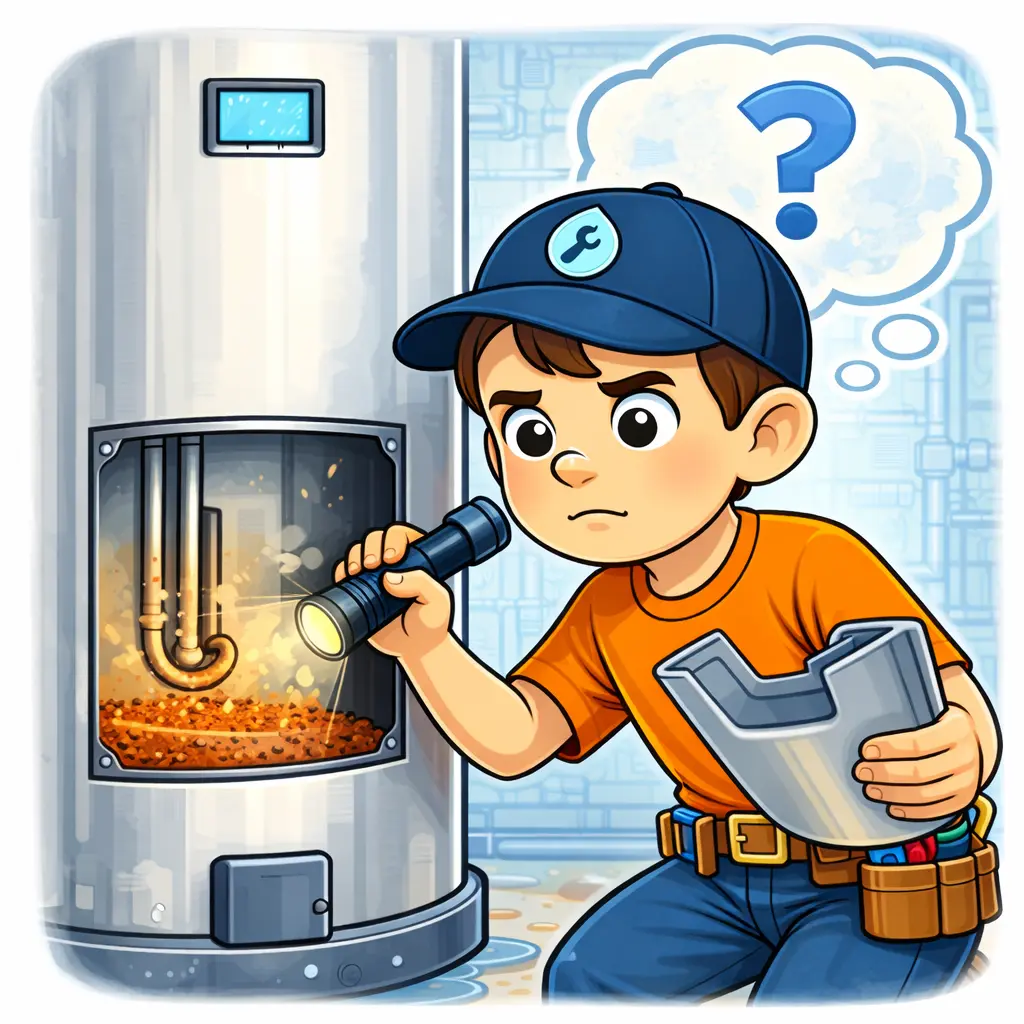
Sediment is a buildup of minerals and particles that settle at the bottom of a tank-style water heater over time. Even with normal household water, small amounts of minerals can accumulate year after year. Eventually, that layer becomes thick enough to interfere with heating and reduce efficiency.
The tricky part is that sediment often shows up as “performance problems” first—less hot water, slower recovery, or strange noises—so many homeowners assume the heater is just “getting old.” Sometimes it is, but sediment is a very common reason older units suddenly feel worse even when nothing else in the home changed.
Common water heater sediment symptoms
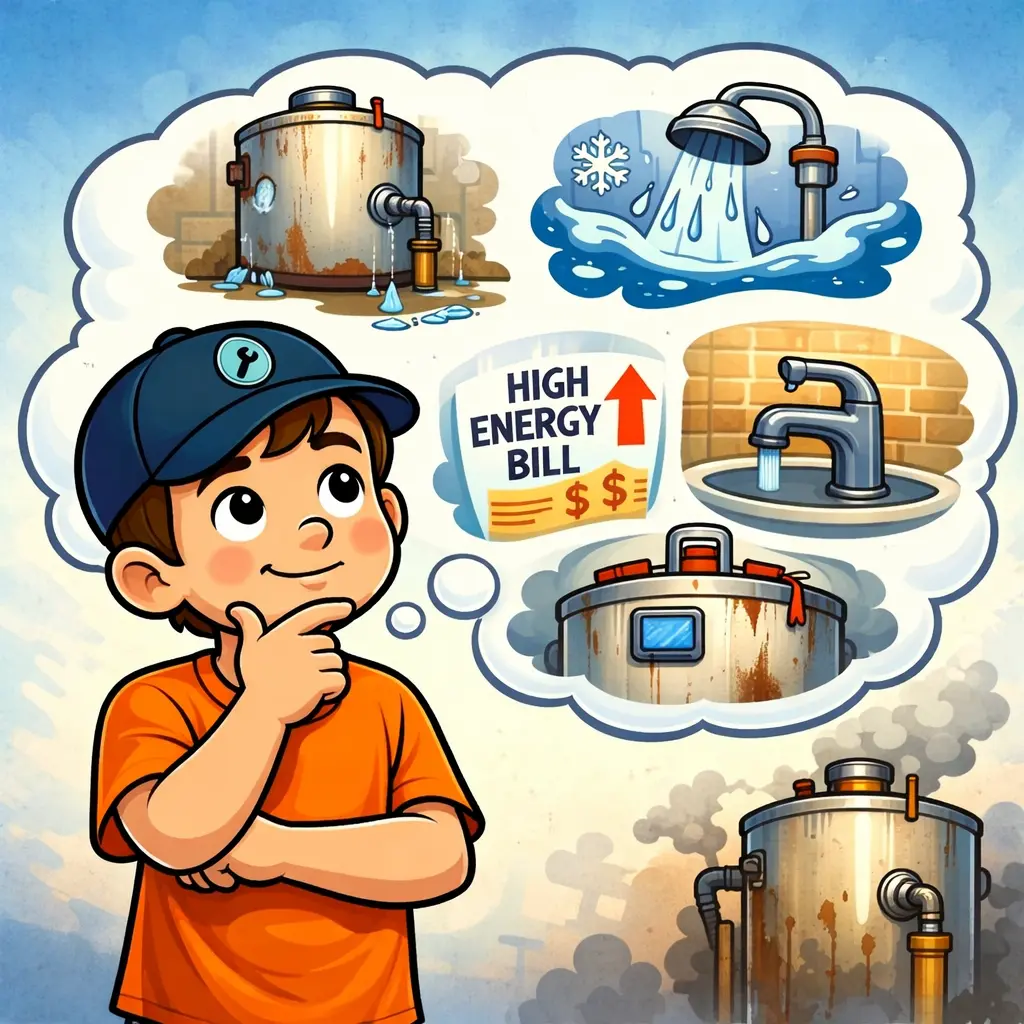
If your heater is starting to act up, look for these signs. You don’t need every symptom for sediment to be the culprit—often one or two show up first.
1) Popping, rumbling, or crackling noises
This is one of the most recognizable symptoms. As the heater runs, hot water can get trapped under the sediment layer. That creates bubbling and popping sounds—especially during active heating cycles. Some homeowners describe it as “popcorn,” “rocks,” or a low rumble.
2) Hot water runs out faster than normal
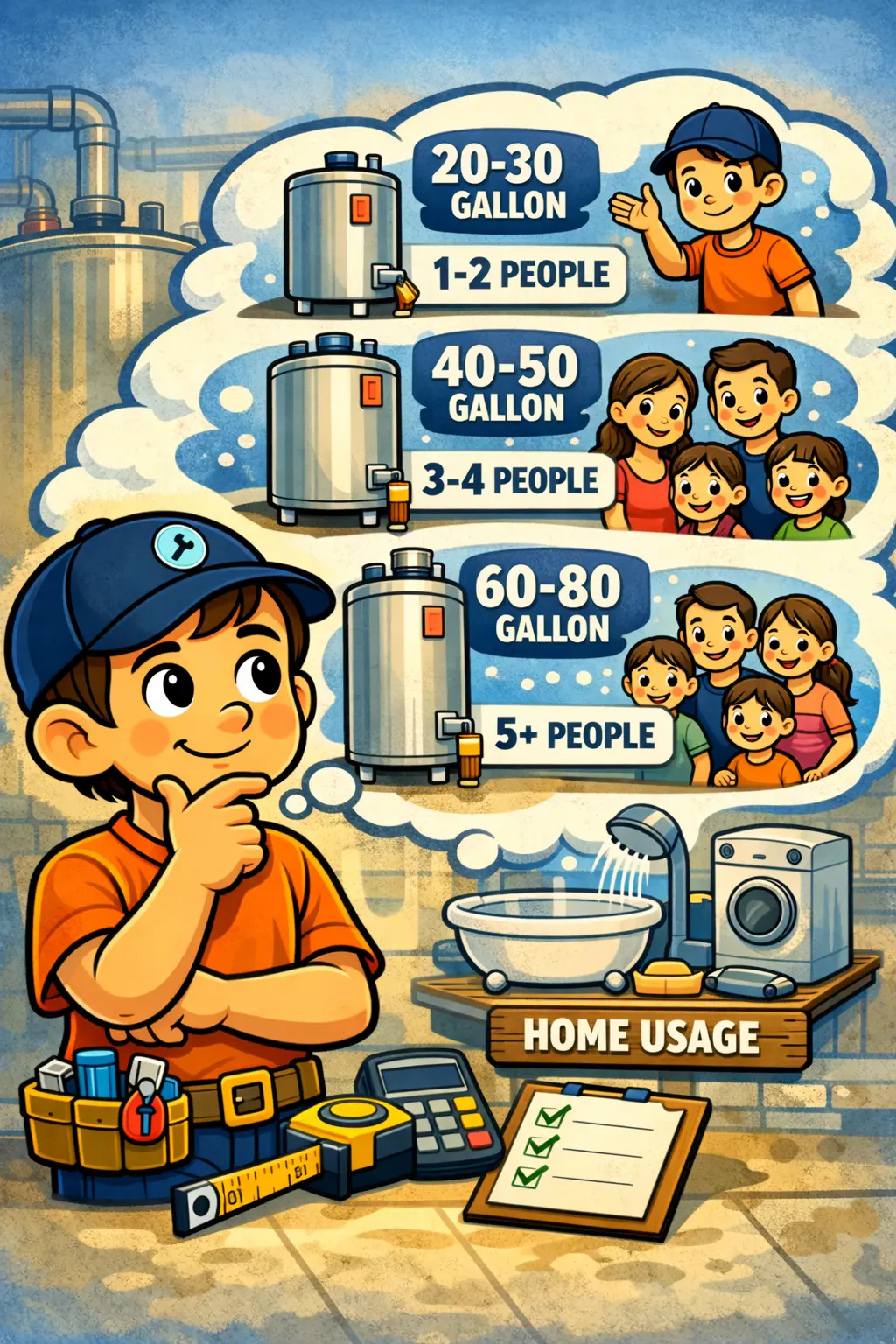
Sediment takes up space in the tank and reduces effective capacity. If your 40-gallon heater is full of sediment at the bottom, you may only be getting a portion of the hot water you used to.
If you’re not sure whether the issue is sediment or simply the wrong size for your home, use these pages: Water Heater Sizing Guide and What Size Water Heater Do I Need?.
3) Water takes longer to heat (slow recovery)
A tank with heavy sediment often takes longer to recover after showers or laundry. You may notice longer “wait time” for hot water to return, even if you haven’t changed your routines.
4) Higher energy use without a clear reason
Sediment acts like insulation between the heat source and the water, forcing the system to work harder. That longer run time can translate into higher utility costs—especially if the unit is already aging.
5) Fluctuating temperatures
If your shower goes hot-cold-hot or feels inconsistent, sediment may be causing uneven heating. Temperature swings can also come from components, so if you’re unsure, this guide helps: Signs You Need a New Water Heater.
Why sediment happens
Minerals in water naturally settle. As water is heated, those minerals can separate and drop to the bottom of the tank. Over time, that layer hardens and becomes more difficult to remove.
Sediment tends to build faster in homes with mineral-heavy water, older plumbing, or a heater that’s been operating for years without maintenance. It’s also common when a unit is set hotter than necessary, because higher heat cycles can accelerate mineral separation in some conditions.
If you want a safe baseline for temperature settings, read: Water Heater Temperature Settings.
Why sediment reduces performance (and can shorten lifespan)
Sediment doesn’t just make noise—it changes how your water heater operates. Here’s what’s happening behind the scenes:
- Less usable hot water: sediment displaces tank volume, so your heater has less room to store heated water.
- Longer run times: heat has to push through sediment, which slows heating and increases energy use.
- Hot spots and stress: uneven heating can create “hot spots” that put extra stress on components and the tank itself.
- More wear over time: the harder a heater works, the faster performance can decline—especially on older units.
If you’re wondering how age plays into the decision, see: How Long Does a Water Heater Last?.
Can flushing help?
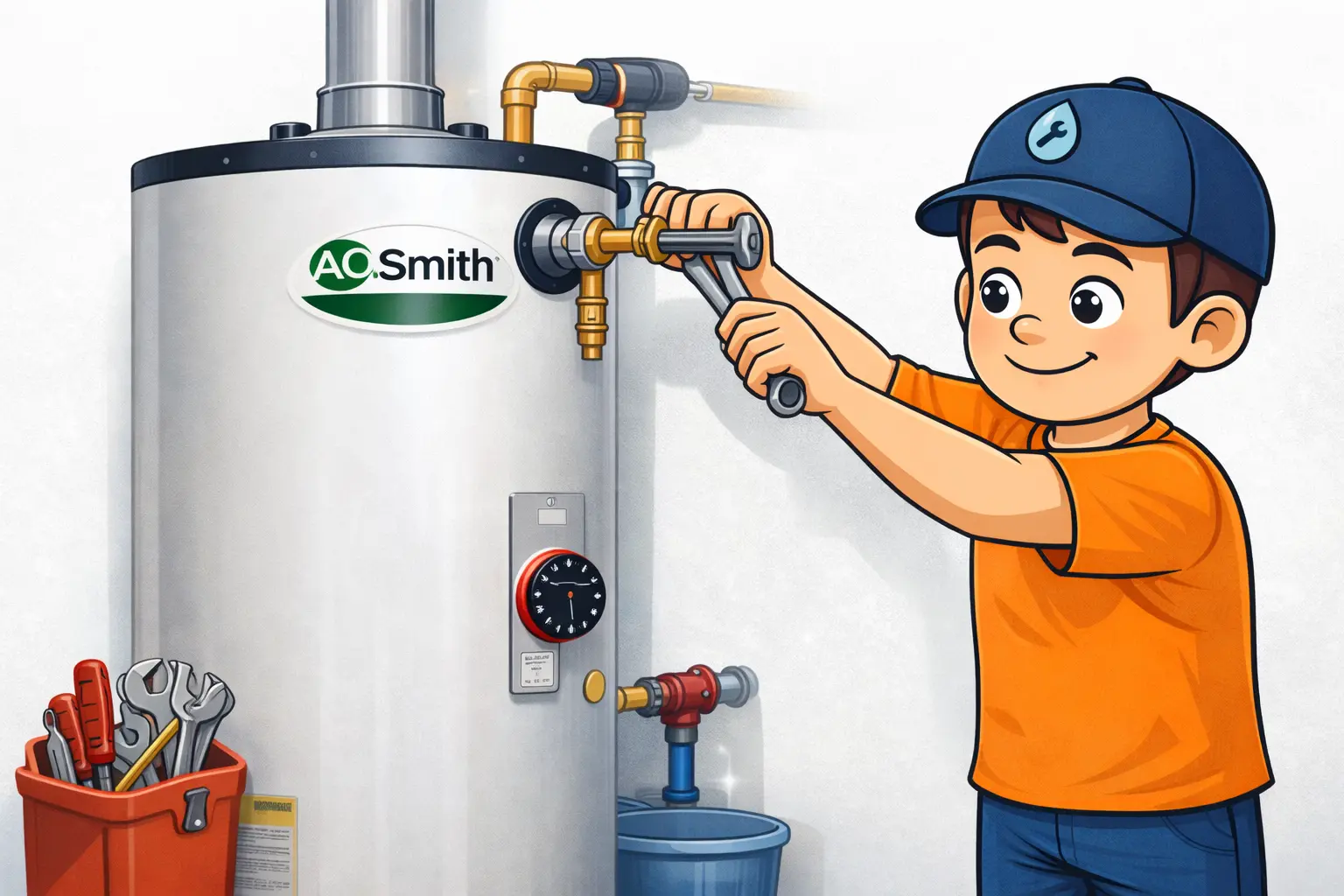
Sometimes, yes—especially if the unit is newer and the symptoms just started. Flushing can reduce loose sediment, improve recovery, and sometimes quiet down the heater.
But flushing is not a magic reset. If the heater is older and already has corrosion, recurring performance issues, or the tank is near end-of-life, flushing may not deliver meaningful improvement—and in some cases, an old system may reveal leaks or weaknesses that were already developing.
The safest way to think about flushing is: it can be a smart maintenance step on a healthier unit, but it’s not the right “solution” for a failing tank.
When sediment becomes a replacement conversation
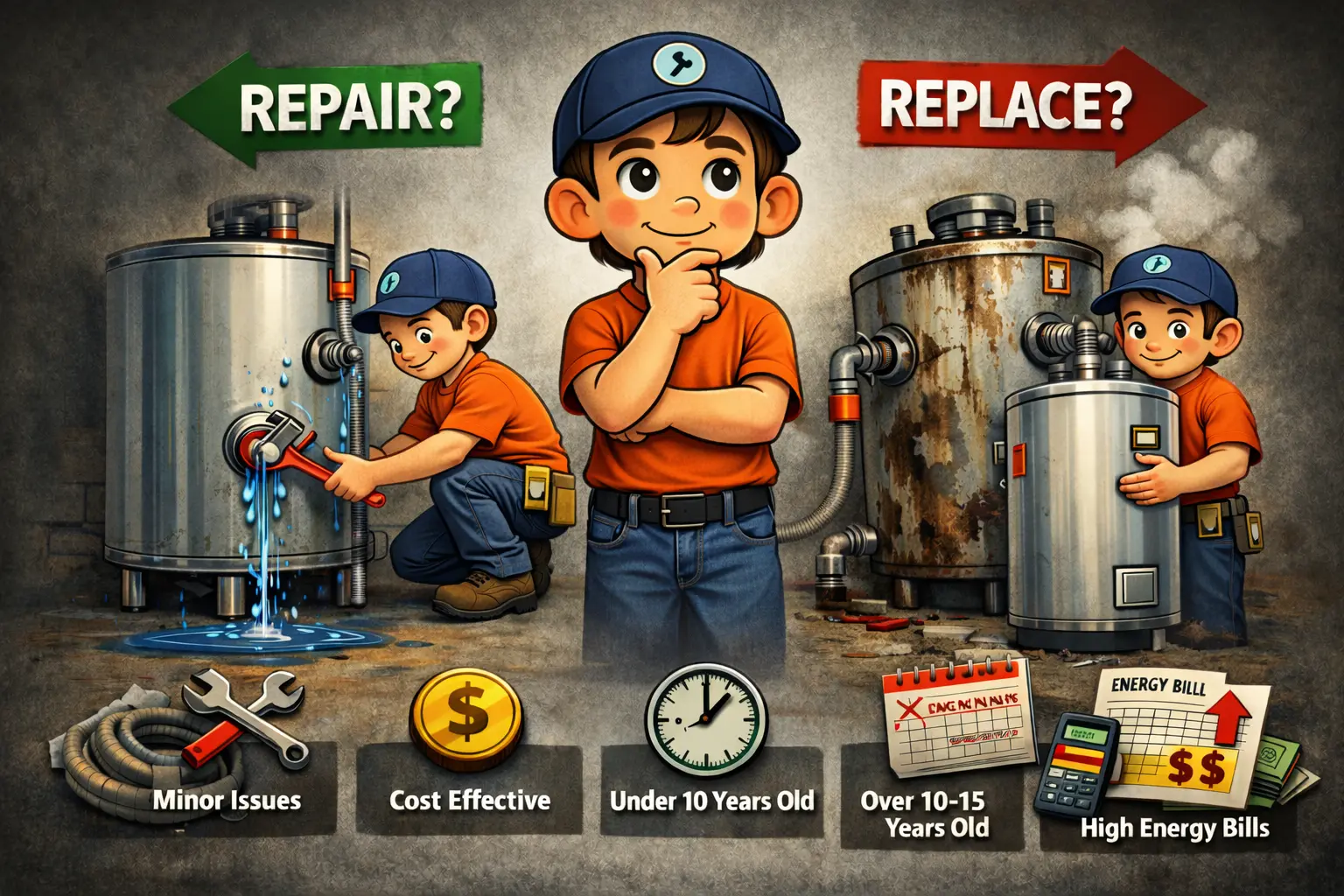
Sediment becomes a bigger concern when it’s paired with age and multiple symptoms. If you’re dealing with noise + low capacity + an older heater, it may be time to talk replacement instead of putting money into a unit that’s near the end.
Replacement is more likely when:
- The unit is older and performance keeps dropping
- You have recurring issues (noise, slow recovery, low hot water, temperature swings)
- You’re seeing moisture near the base or any leak risk
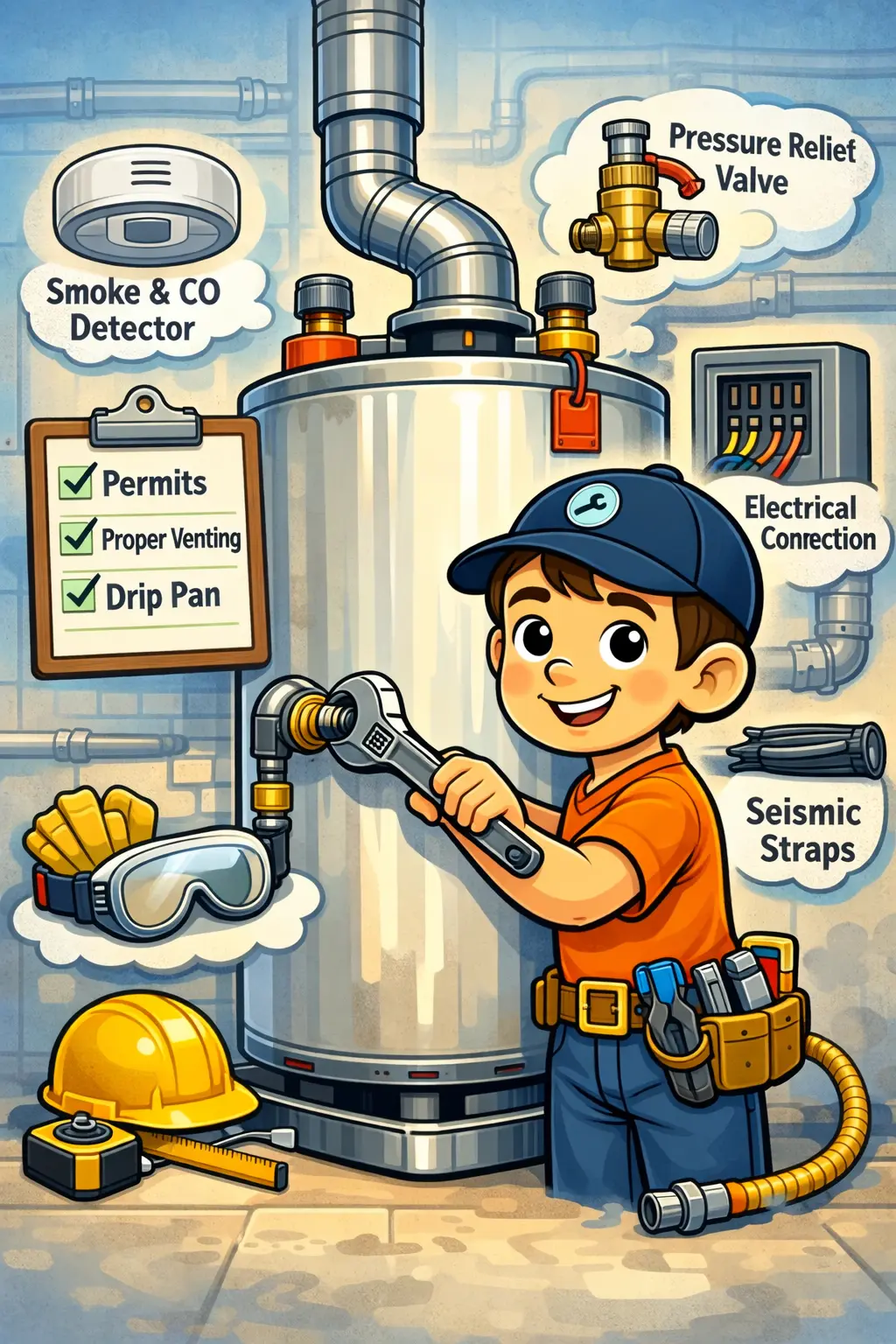
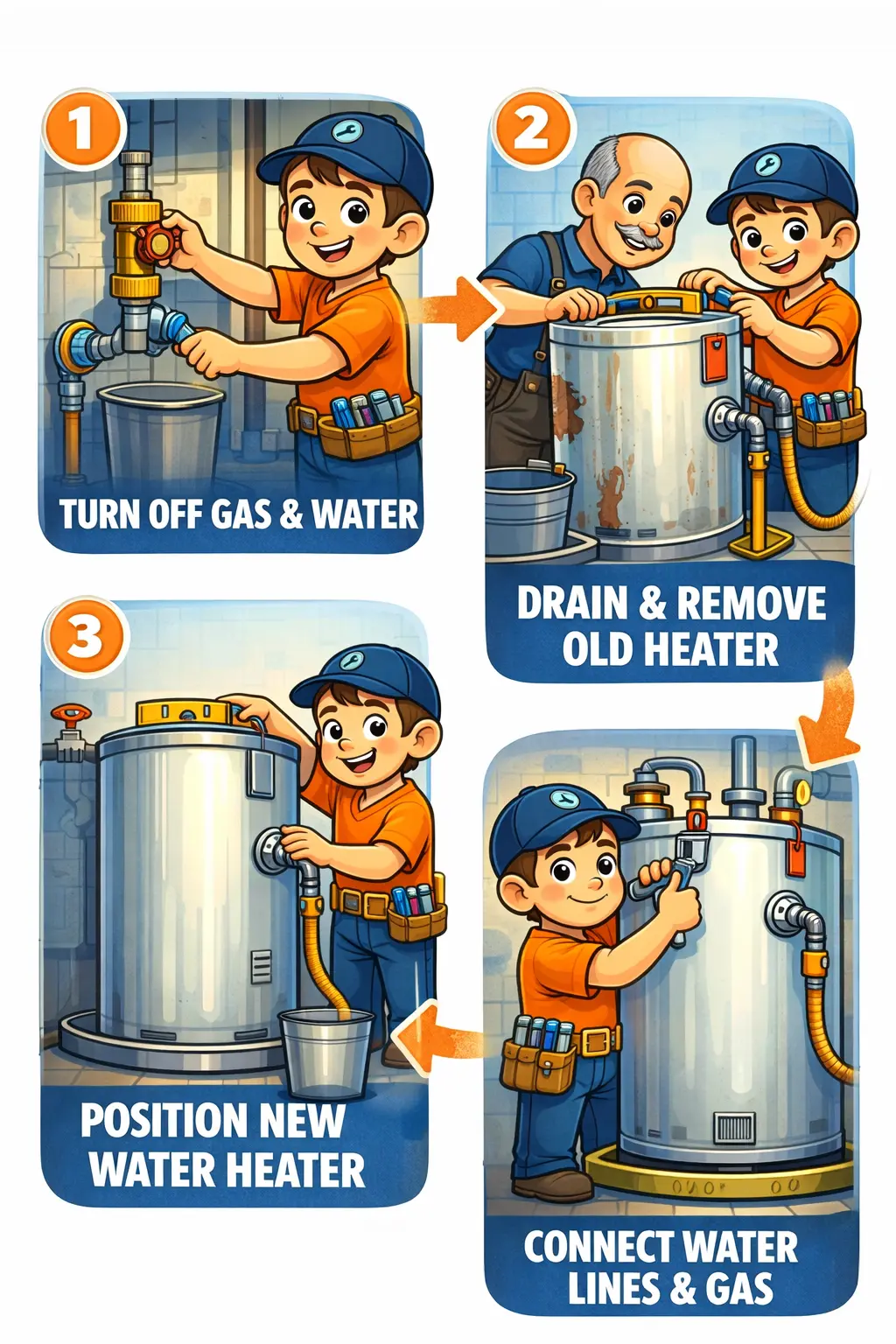
If you’re deciding whether to repair or replace, use: Water Heater Repair vs Replacement. If you’re already planning replacement, these help you understand what a clean install should include: Installation Requirements and Installation Checklist.
What to do now (simple steps)
If you suspect sediment, here’s a practical approach without guessing:
- Note the symptoms: noise, reduced hot water, slow recovery, temp swings, and any visible moisture.
- Check age and history: if the heater is older and has never been maintained, sediment is a strong suspect.
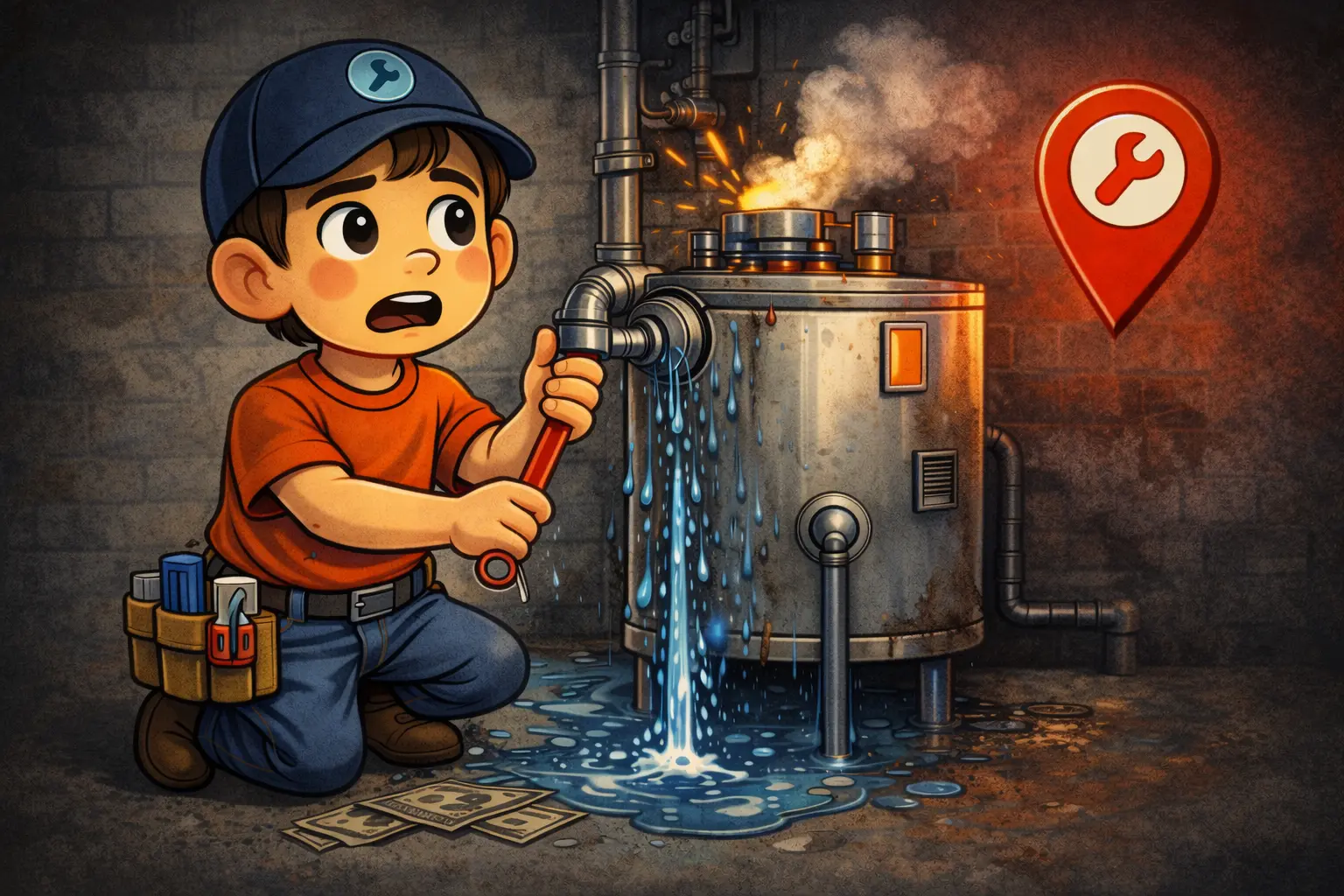
- Watch for leak risk: if you see pooling water or active leaking, go here immediately: Water Heater Leaking: What to Do.
- Decide repair vs replacement: use the decision page and don’t spend money blindly: Repair vs Replacement.
If you need service options, start here: Water Heater Repair Near Me or Water Heater Installation Near Me.