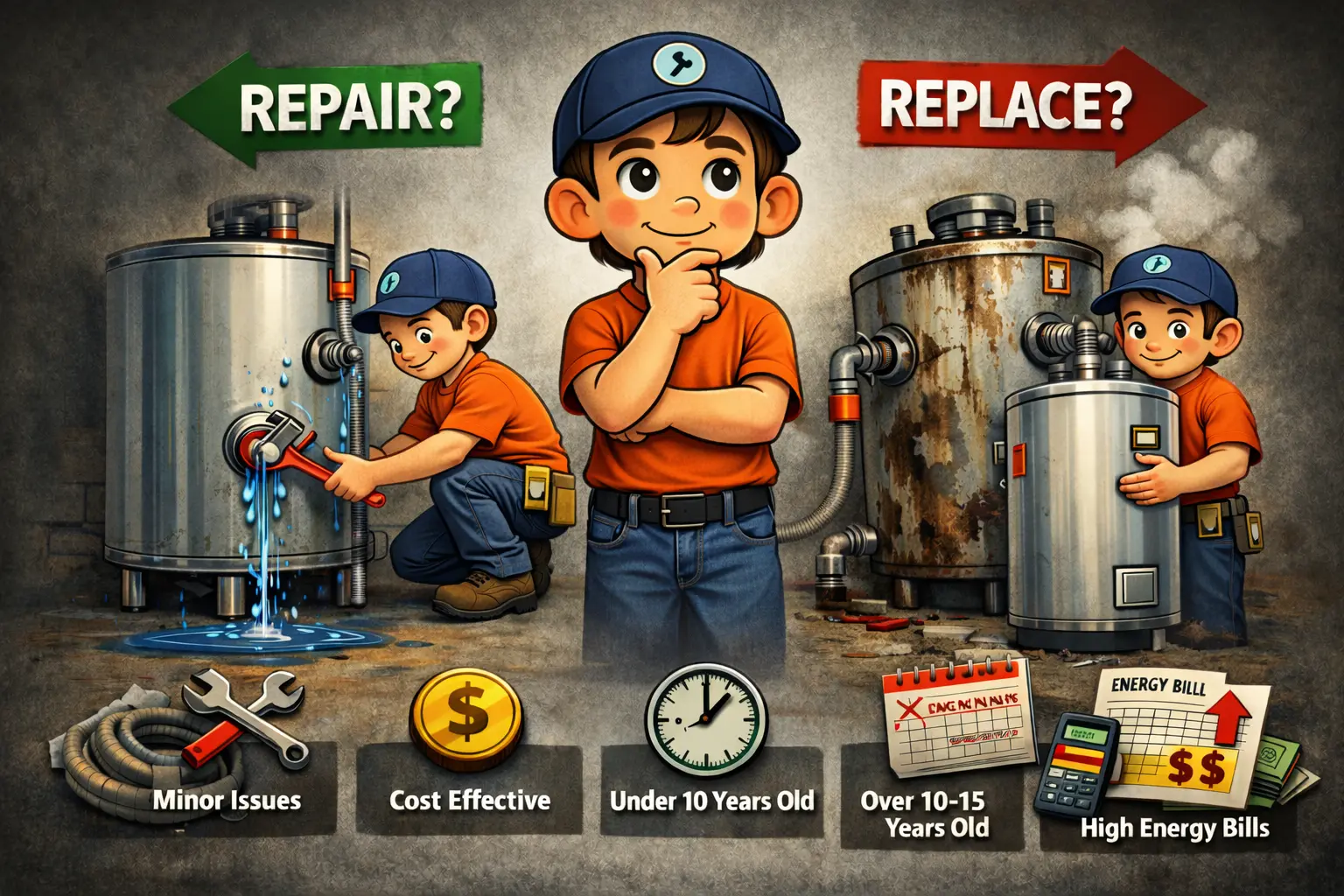
Water Heater Repair vs Replacement: How to Decide (Without Wasting Money)
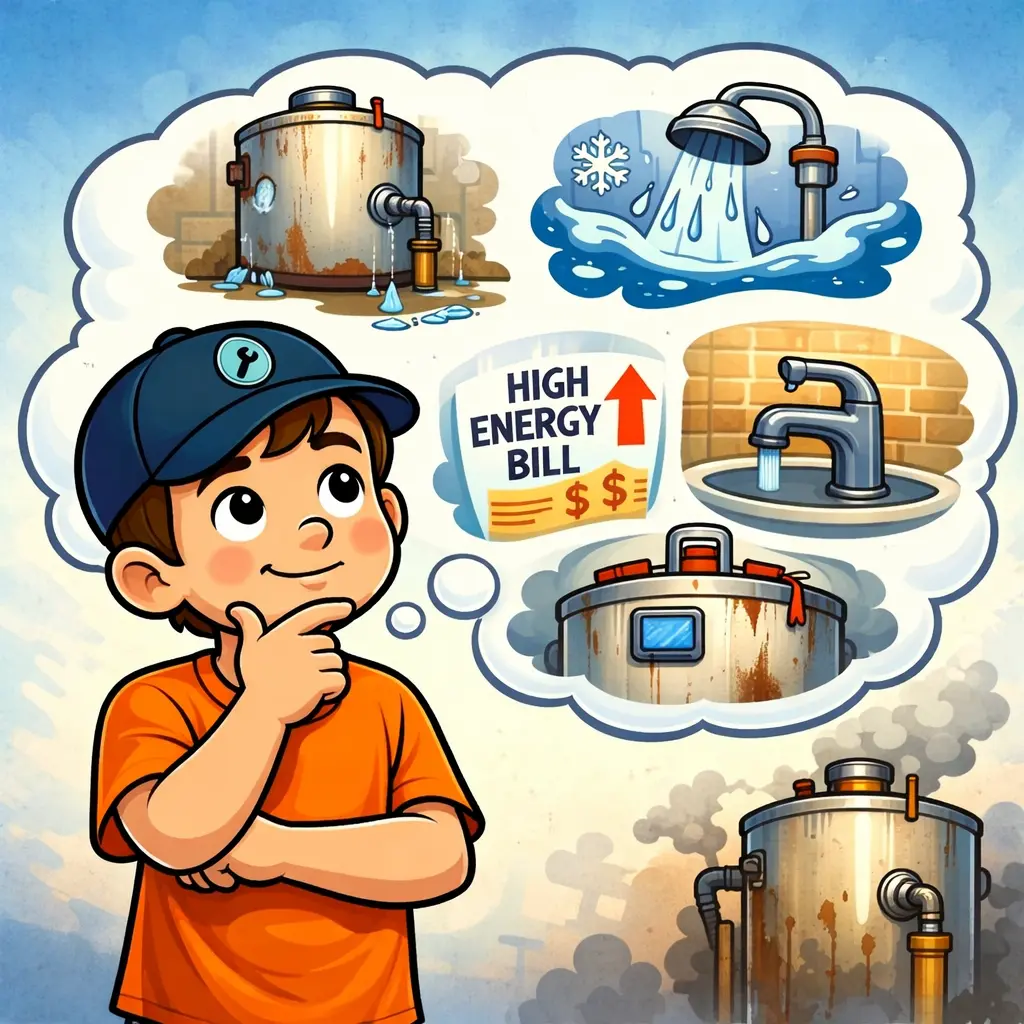
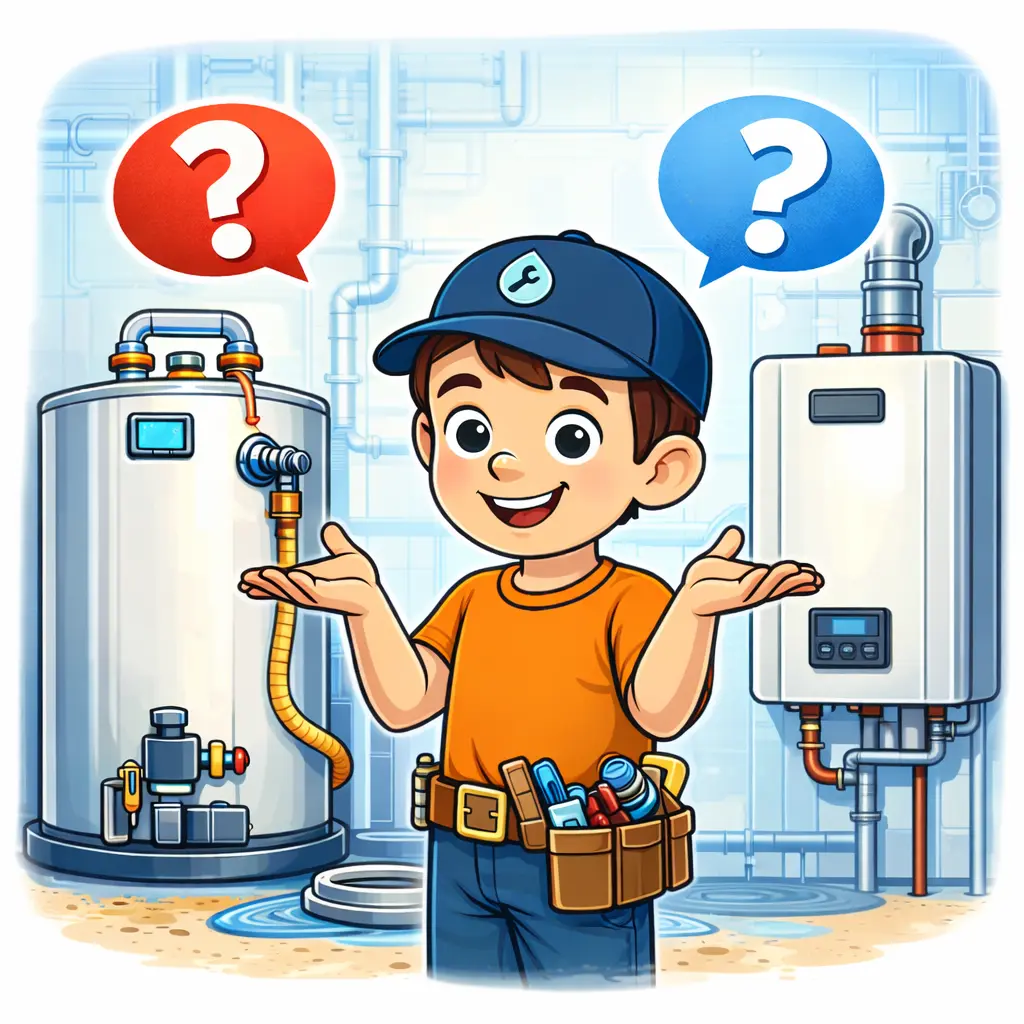
If your water heater is acting up, the real question is simple: repair it, or replace it before it becomes a bigger problem?
The wrong decision can cost you twice—either you replace too early when a simple fix would have solved it, or you keep repairing an old unit until it fails and causes a bigger mess (and a bigger bill).
This guide gives you a clear way to decide using the factors that actually matter: leaks, age, performance drop, repeat issues, and whether you’re planning an upgrade.
The fast answer (most common situations)
- Newer unit + no tank leak + clear component issue (thermostat/element/igniter): repair is usually the smart first move.
- Older unit + multiple issues + performance keeps dropping: replacement is usually the smarter long-term decision.
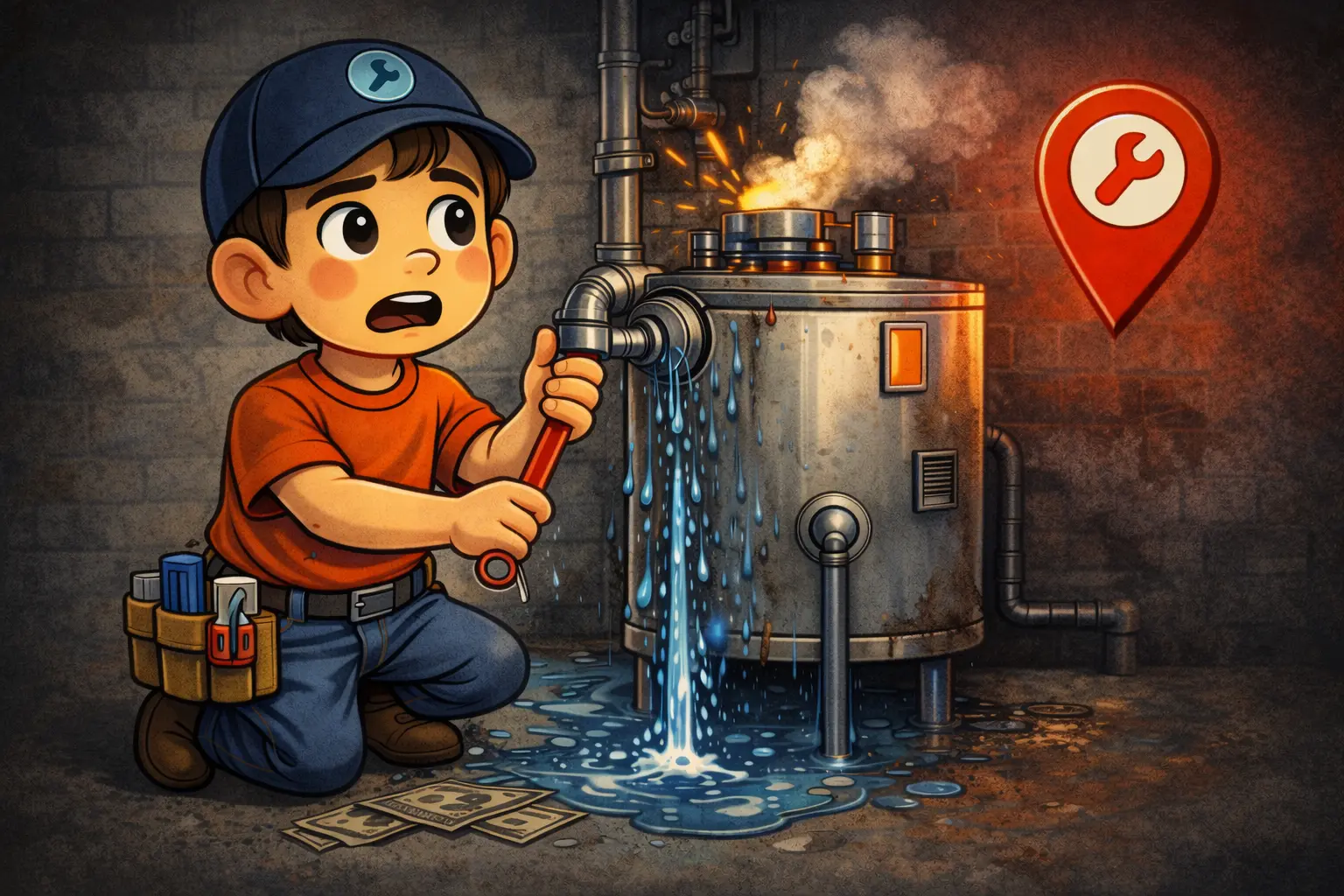
- Any tank leak from the body (especially from the bottom): replacement is usually the right move because the tank itself is failing.
If you’re seeing water and need immediate steps, start here: Water Heater Leaking: What to Do.
When repair usually makes sense
Repair is often the best option when the heater is still structurally sound and the issue is isolated to a replaceable part.
Repair usually makes sense when:
- The unit is newer (and not near end-of-life)
- The tank isn’t leaking
- The problem is a component (thermostat, heating element, igniter, valve, sensor, etc.)
- Hot water performance was good until recently (sudden change is often a component issue)
- This is the first major issue (not a repeat cycle every few months)
Pro tip: If your heater used to perform fine and suddenly doesn’t, that’s often a repair-friendly scenario—especially if you’re not seeing moisture at the base.
When replacement usually makes sense
Replacement is typically the better decision when the tank is failing, or when the heater is old enough that repairs become “buying time” instead of solving the core problem.
Replacement usually makes sense when:
- The tank is leaking (especially from the bottom or around the base)
- The unit is older and showing multiple issues
- Hot water performance keeps dropping even after previous fixes
- You’re seeing corrosion or consistent moisture issues
- It’s turning into repeat behavior (one fix after another)
If you want a simple guide to the warning signs that often mean replacement is near, read: Signs You Need a New Water Heater.
The #1 rule of thumb
If the tank itself is failing, repairs won’t solve the core problem. A tank leak isn’t like a loose fitting—once the tank body is compromised, it can’t be “patched” in a way you can trust.
If it’s a clean component failure on a newer unit, repair can be a smart move. If the tank is leaking or the unit is near end-of-life, replacement is usually the safer, more cost-effective decision.
What to check before deciding
These quick checks help you avoid guessing:
- Age of the unit (older heaters are more likely to turn repairs into a cycle)
- Any signs of corrosion or moisture at the base
- Whether the problem is repeat behavior (multiple repairs in a short time)
- Hot water capacity changes (running out faster than you used to)
- Whether you’re planning a performance upgrade (tankless, larger capacity, better recovery)
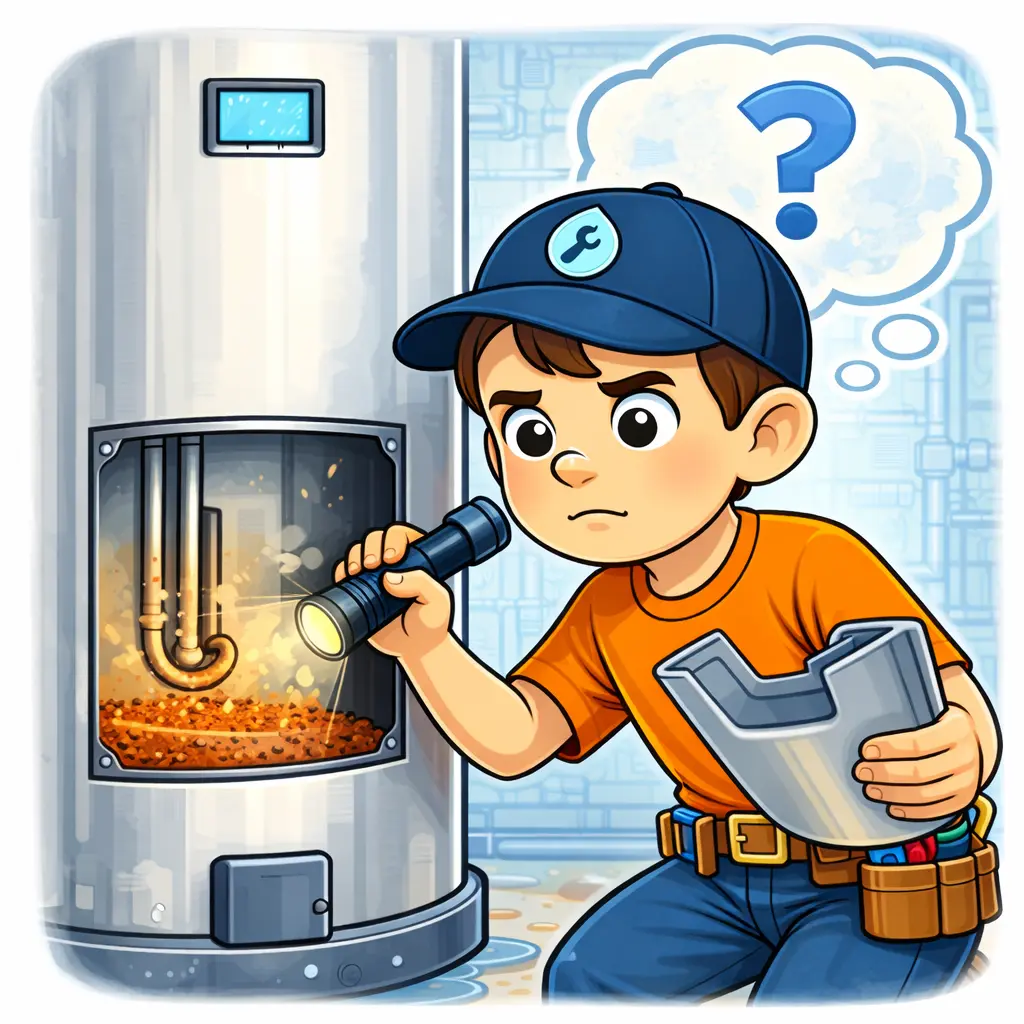
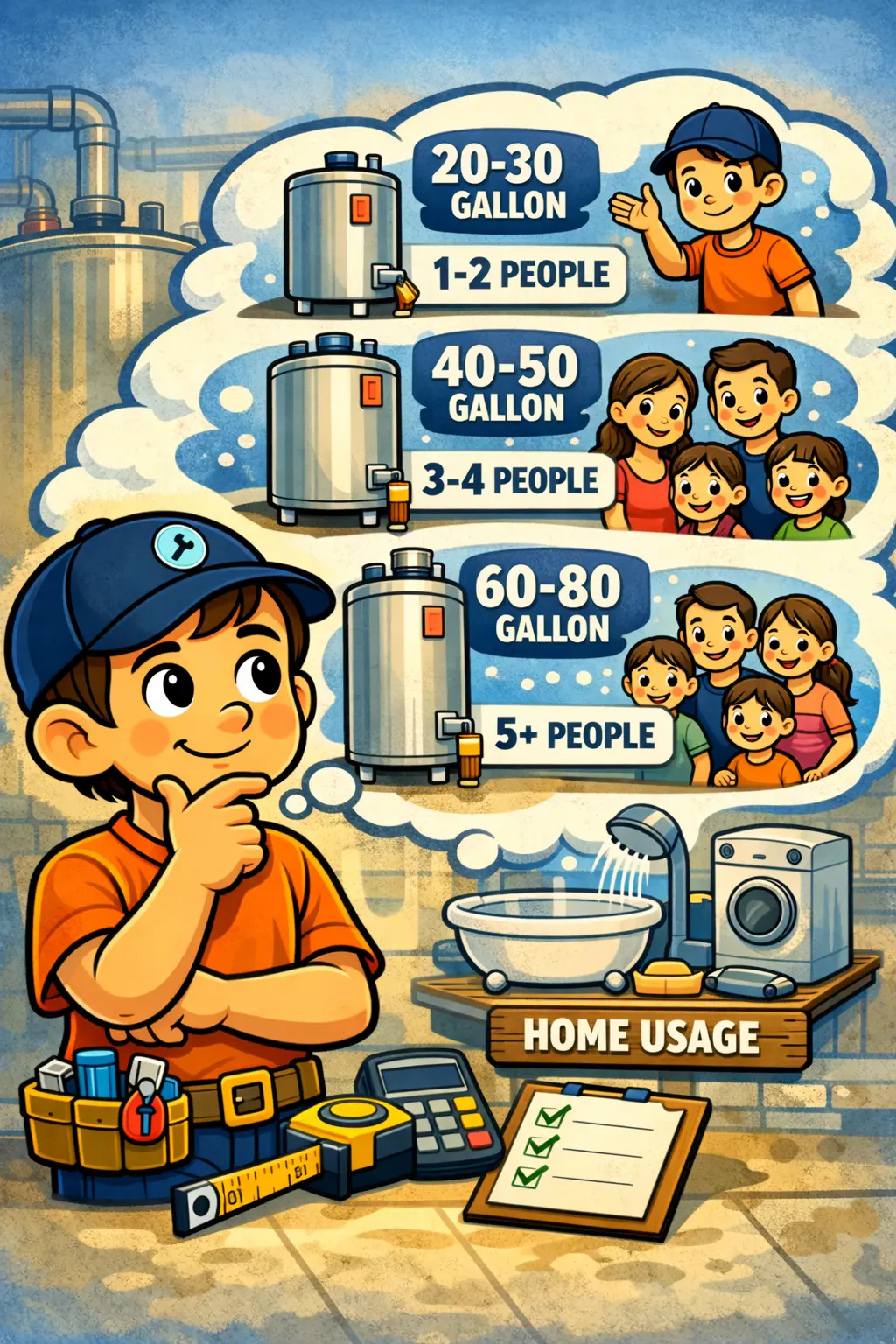
If you’re running out of hot water faster than normal, sizing or sediment could be the real issue: What Size Water Heater Do I Need? and Water Heater Sediment Symptoms.
The cost reality: what you’re paying for
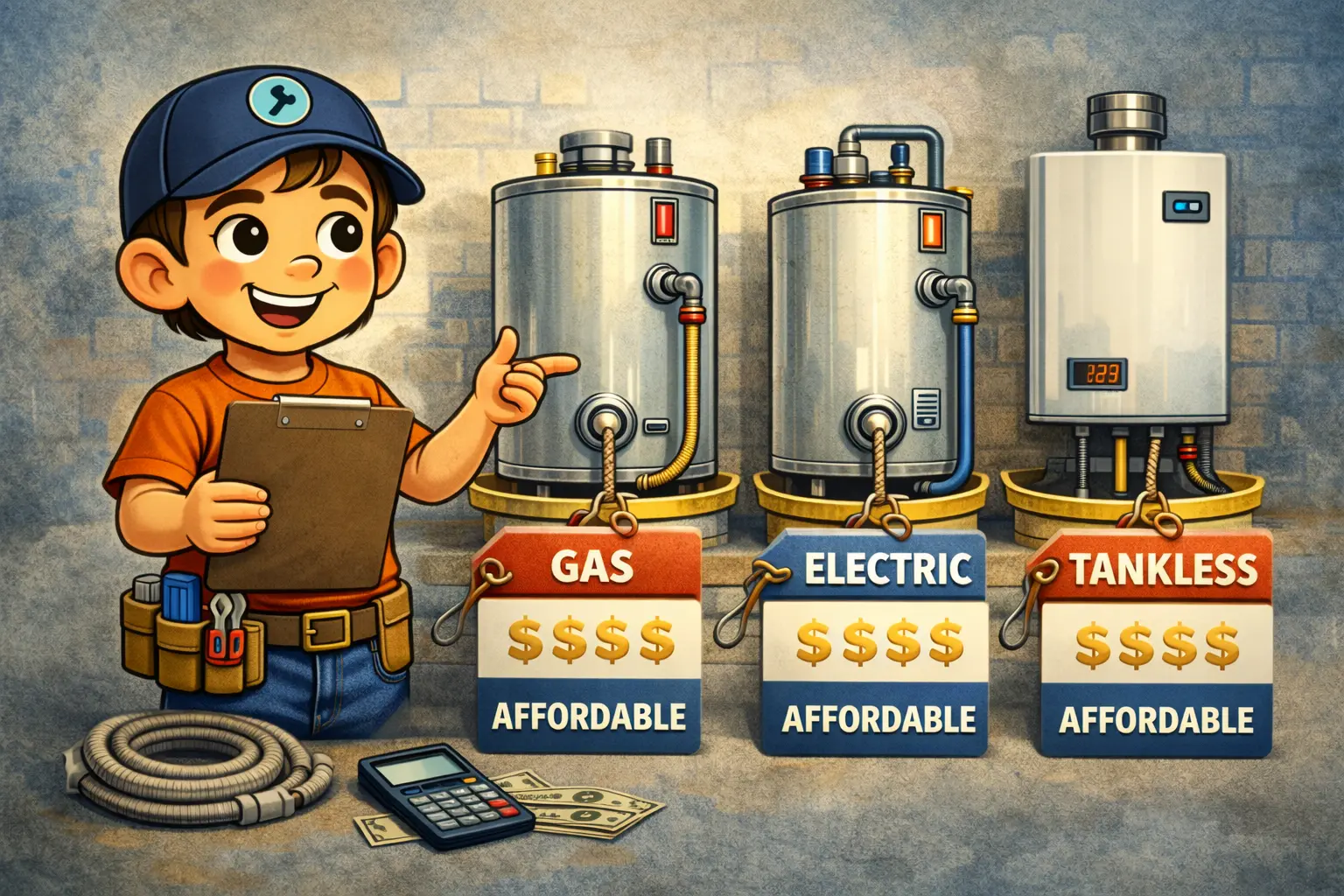
The real cost difference isn’t just “repair vs new unit.” It’s: repair cost now + risk of another repair soon + risk of water damage versus the stability of a replacement and a fresh start.
If you want to understand why quotes vary and what actually drives replacement price, read: Water Heater Replacement Cost Factors.
When upgrading changes the decision
Sometimes replacement becomes the better option even if repair is possible—because you’re already planning a performance upgrade.
- Upgrading capacity to stop running out of hot water
- Switching to tankless for steady hot water and efficiency (when the home is compatible)
- Improving reliability if the unit has become unpredictable
If you’re comparing tank vs tankless, start here: Tank vs Tankless Water Heater. If you’re considering tankless installation, see: Tankless Water Heater Installation Near Me.
FAQs
If my heater is leaking, can it be repaired?
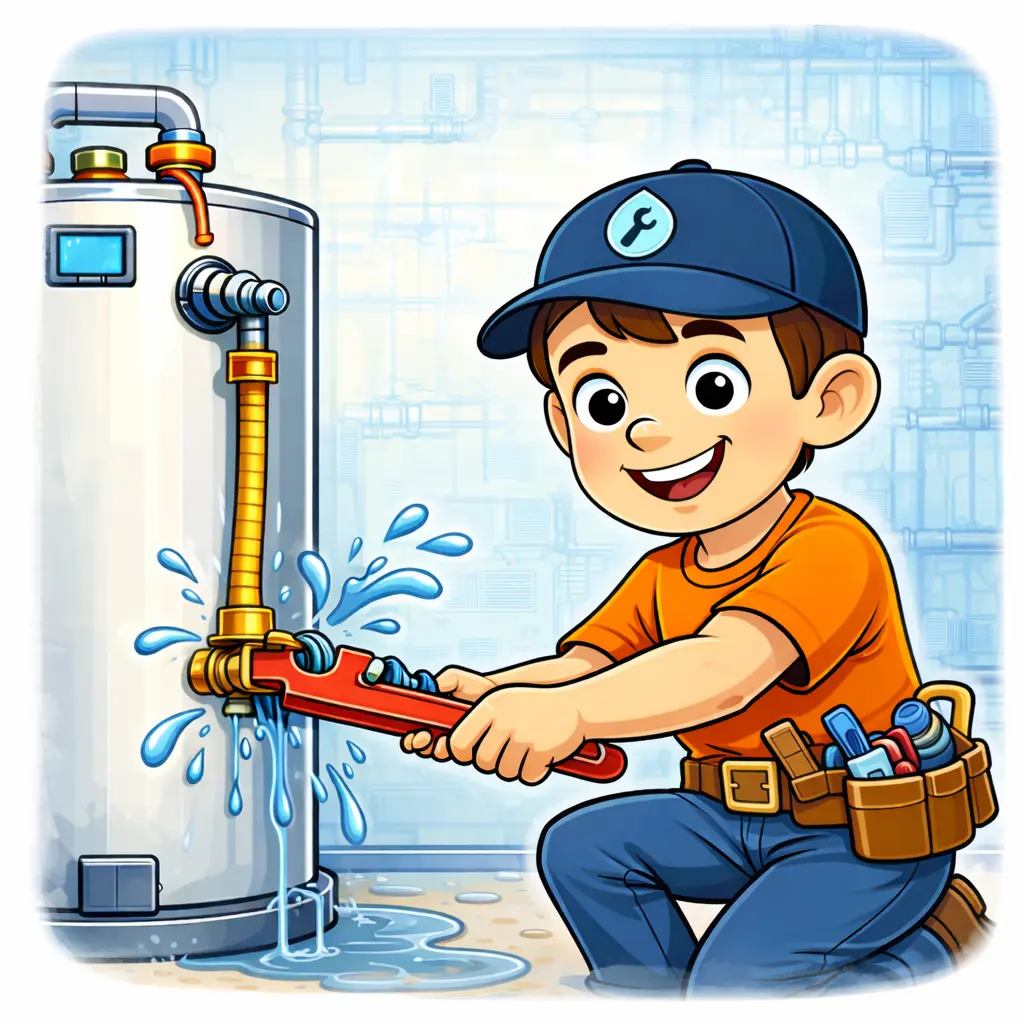
If the leak is from a fitting or a valve, repair may be possible. But if the leak is from the tank body (especially from the bottom or you see pooling around the base), replacement is usually the correct move. Here’s the step-by-step response guide: Water Heater Leaking: What to Do.
Is it worth repairing an older water heater?
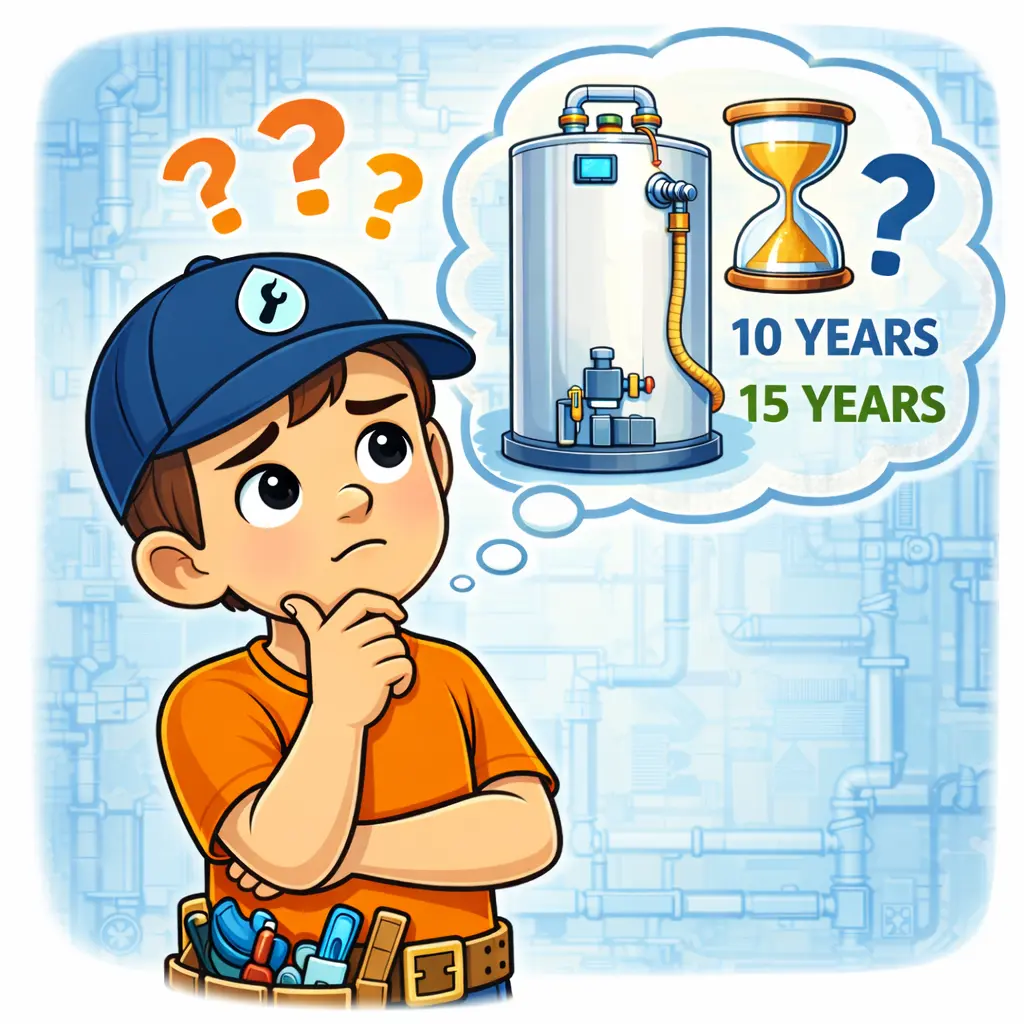
Sometimes—if it’s a clear component issue and the unit has been reliable. But if you’re seeing repeat issues or performance decline, replacement is often cheaper in the long run. For lifespan context, see: How Long Does a Water Heater Last?.
What if I’m not getting enough hot water but nothing is leaking?
That can be a sizing problem or sediment buildup—both are common. Start with: What Size Water Heater Do I Need? and Sediment Symptoms.