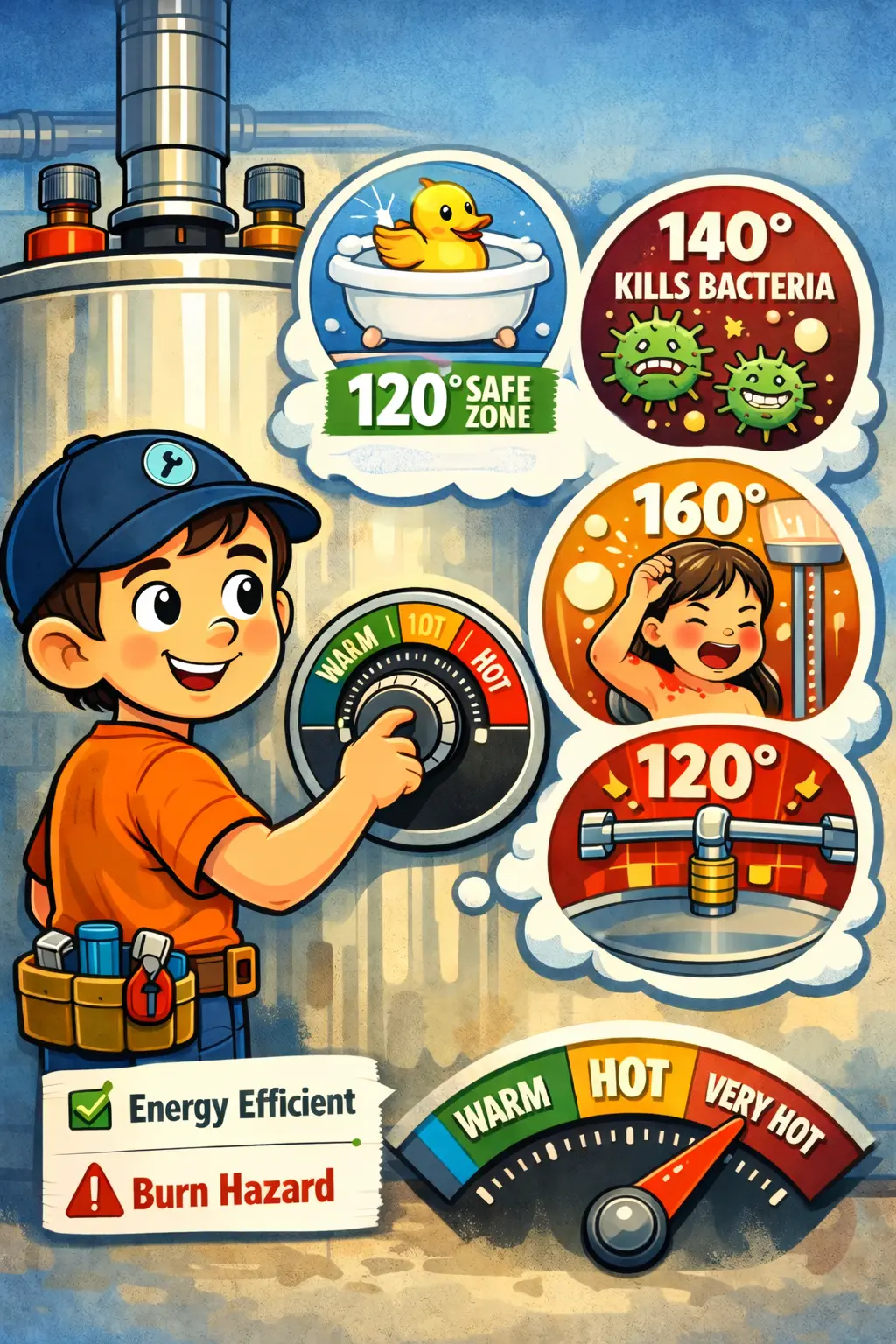
Water Heater Temperature Settings: The Safe Sweet Spot (and When to Adjust)
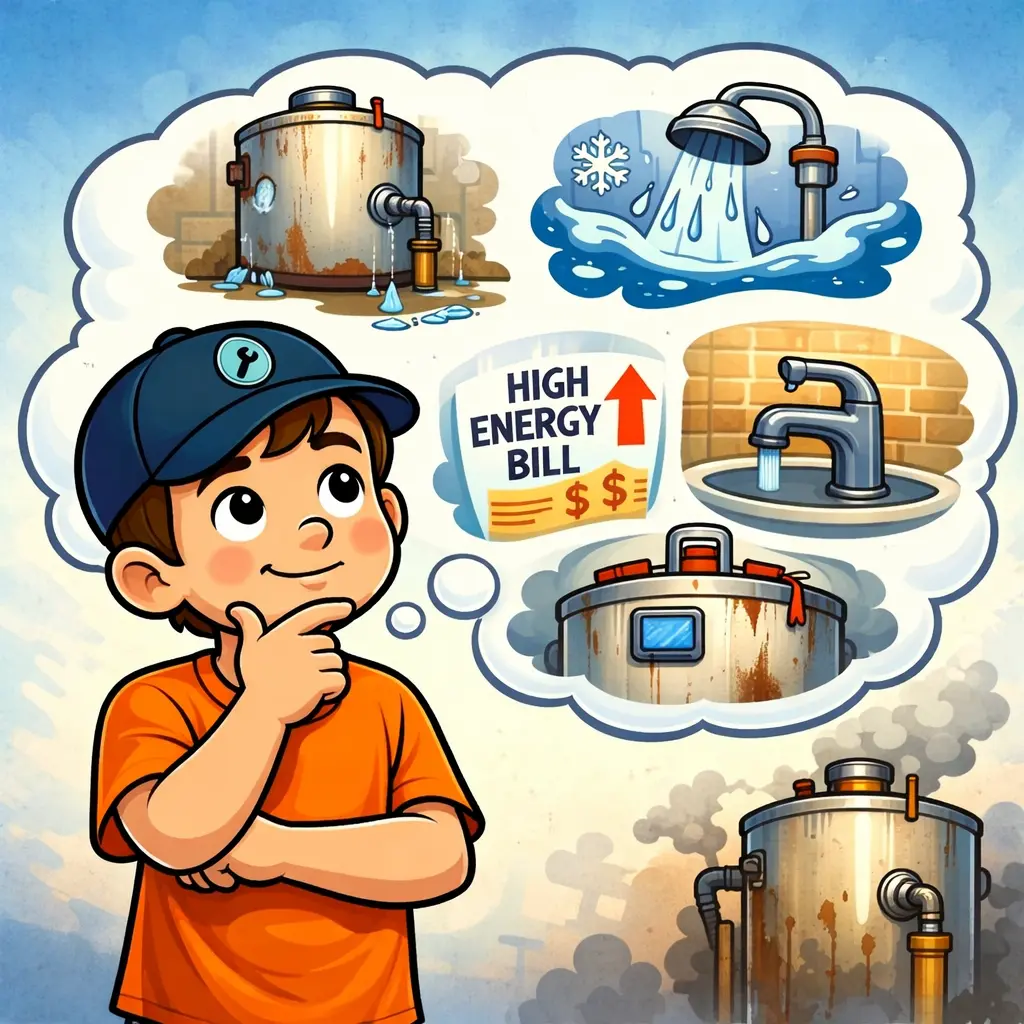
Most homeowners never touch their water heater temperature setting—until something feels off. Maybe the water feels lukewarm, the shower temperature swings, or you’re constantly adjusting the handle to stay comfortable.
The good news: temperature settings are usually simple. The more important part is knowing when a temperature tweak will help, and when the real issue is something else (like sizing or sediment).
A common starting point (most homes)
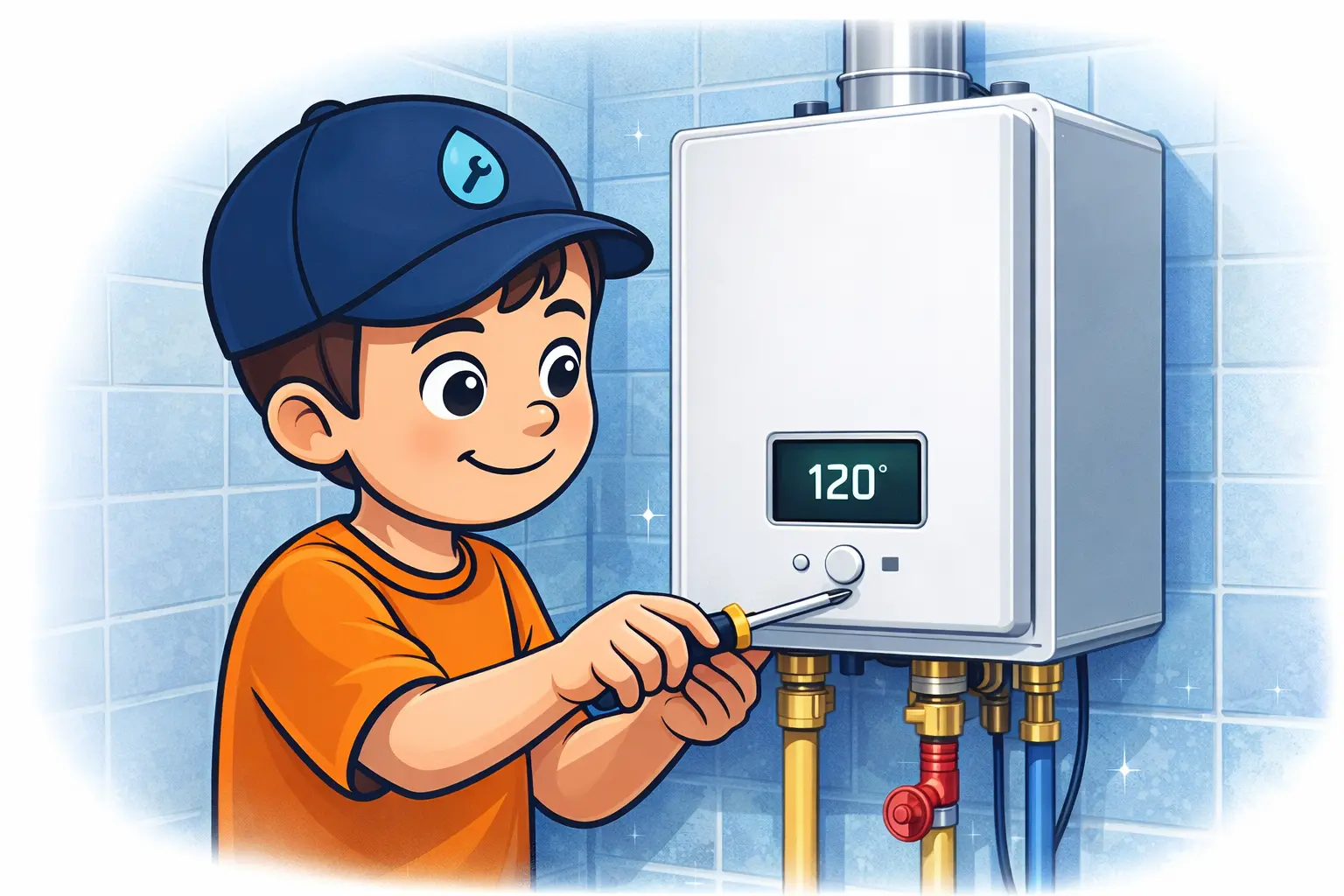
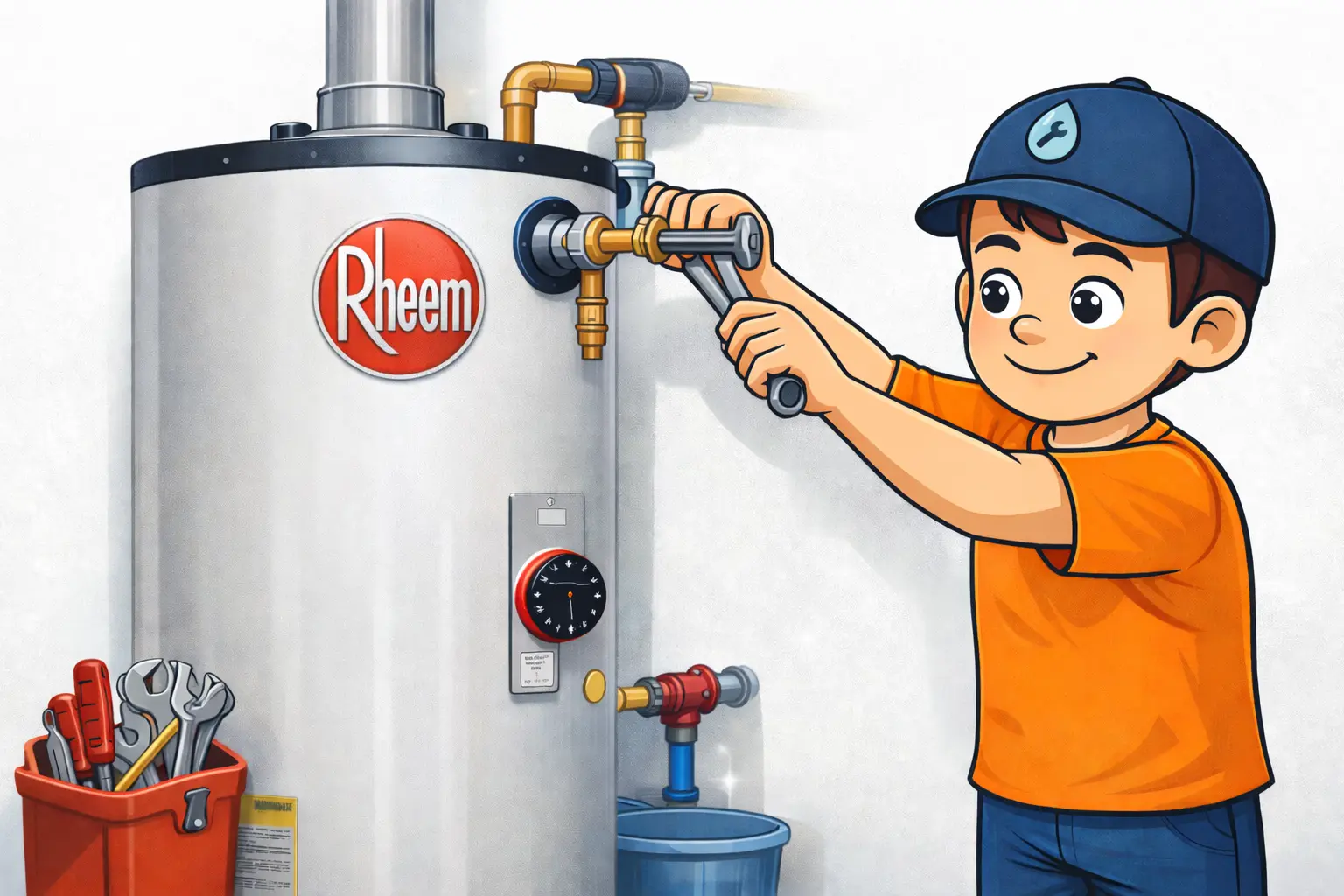
Many homes do well around 120°F. It’s typically hot enough for comfort while helping reduce scald risk and unnecessary energy use. If you’re not sure where your setting is now, 120°F is a common “baseline” target for many households.
That said, every home is different. Your comfort level, household size, and how you use hot water can change what feels “right.” The best approach is to start with a safe baseline and adjust gradually if needed.
Why 120°F is a popular target
120°F is commonly recommended because it balances three things homeowners care about:
- Comfort: warm enough for showers and everyday use
- Safety: lower scald risk compared to higher settings
- Efficiency: avoids overheating water you don’t need
If you’re constantly mixing in a lot of cold water to make your shower comfortable, your heater may be set higher than necessary. If the water feels weak or lukewarm, the setting may be too low—or something else may be going on.
Signs your temperature setting may be off
Temperature issues often show up in one of these ways:
- Water feels lukewarm even when no one else is using hot water
- Temperatures swing during normal use
- You’re constantly adjusting the shower handle to stay comfortable
If these are happening, a small adjustment may help. But if you’re also running out of hot water quickly, the issue may be capacity, recovery, or sediment—not the temperature setting alone.
How to adjust safely (practical steps)
You don’t need to chase the perfect number in one shot. The best approach is controlled, gradual changes.
Practical tips that keep it simple
- Adjust gradually: make small changes, then test after the system has stabilized.
- Give it time: after adjusting, wait long enough for the new setting to take effect.
- Test at a faucet: see how it feels during normal use (shower + sink).
- Don’t “max it out”: higher settings increase scald risk and can waste energy.
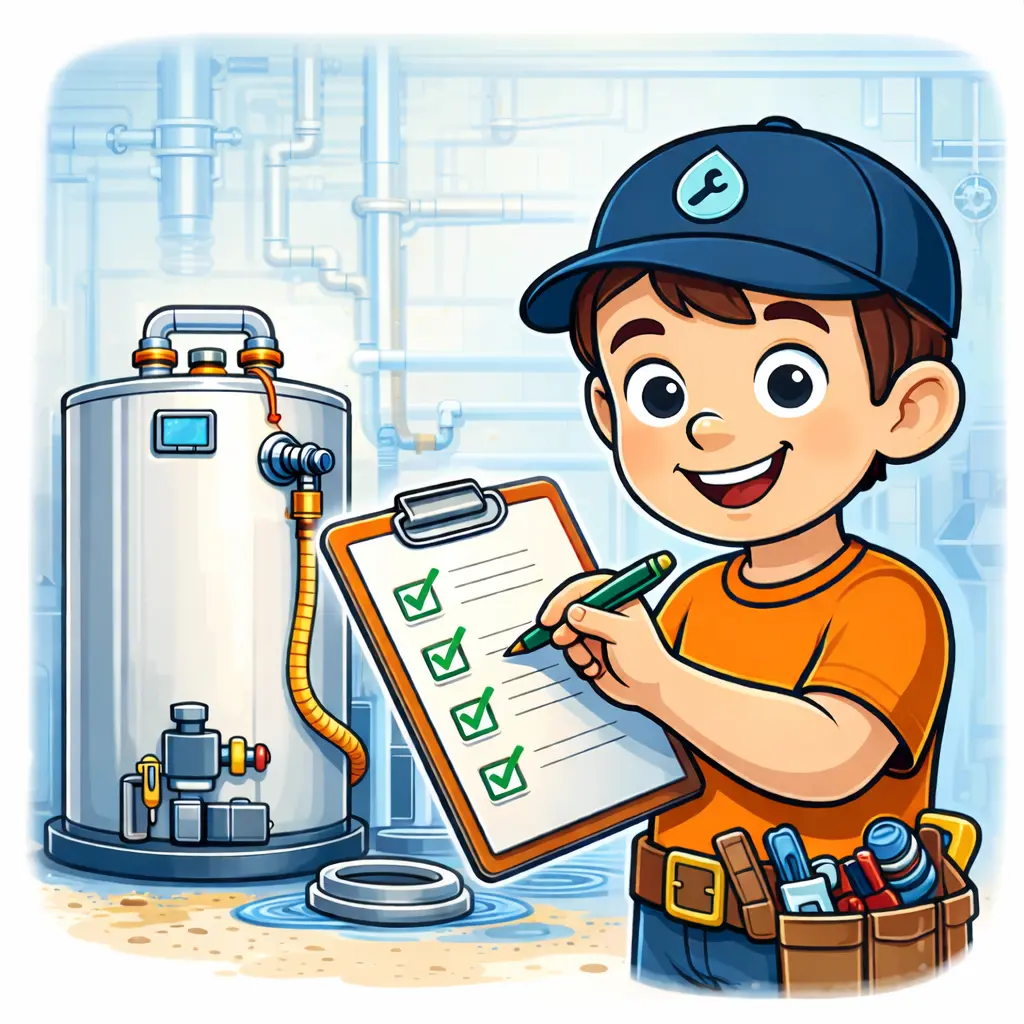
If your installer recently replaced your heater, temperature should be set and reviewed during startup verification. This checklist shows what a verified finish should include: Water Heater Installation Checklist.
When the problem isn’t temperature
This is important: raising the temperature is not the right “fix” for every hot water problem. If you’re running out of hot water fast, the root cause is often one of these:
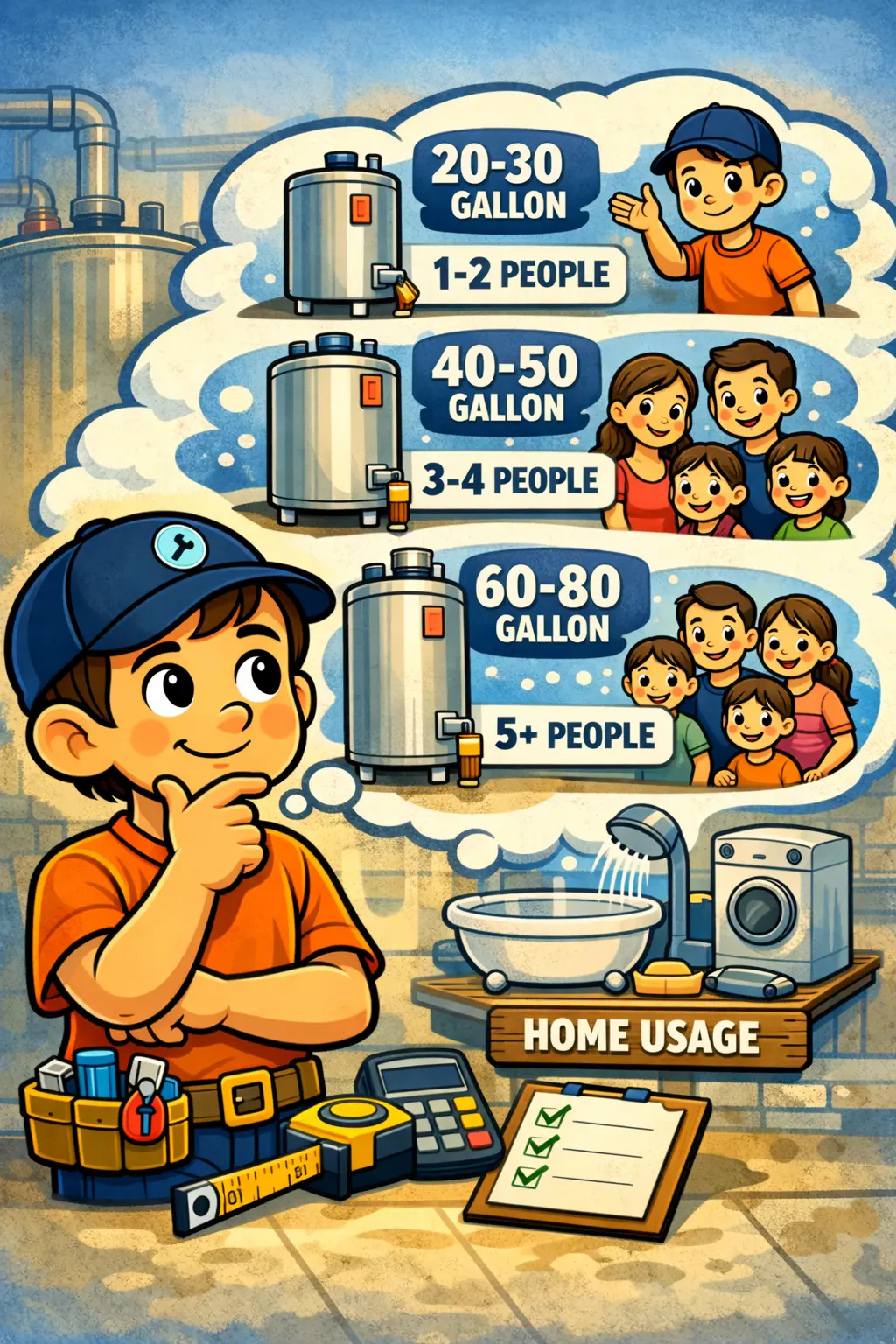
- Sizing mismatch: the heater is too small for peak household usage (showers + laundry + dishes). Start here: Water Heater Sizing Guide.
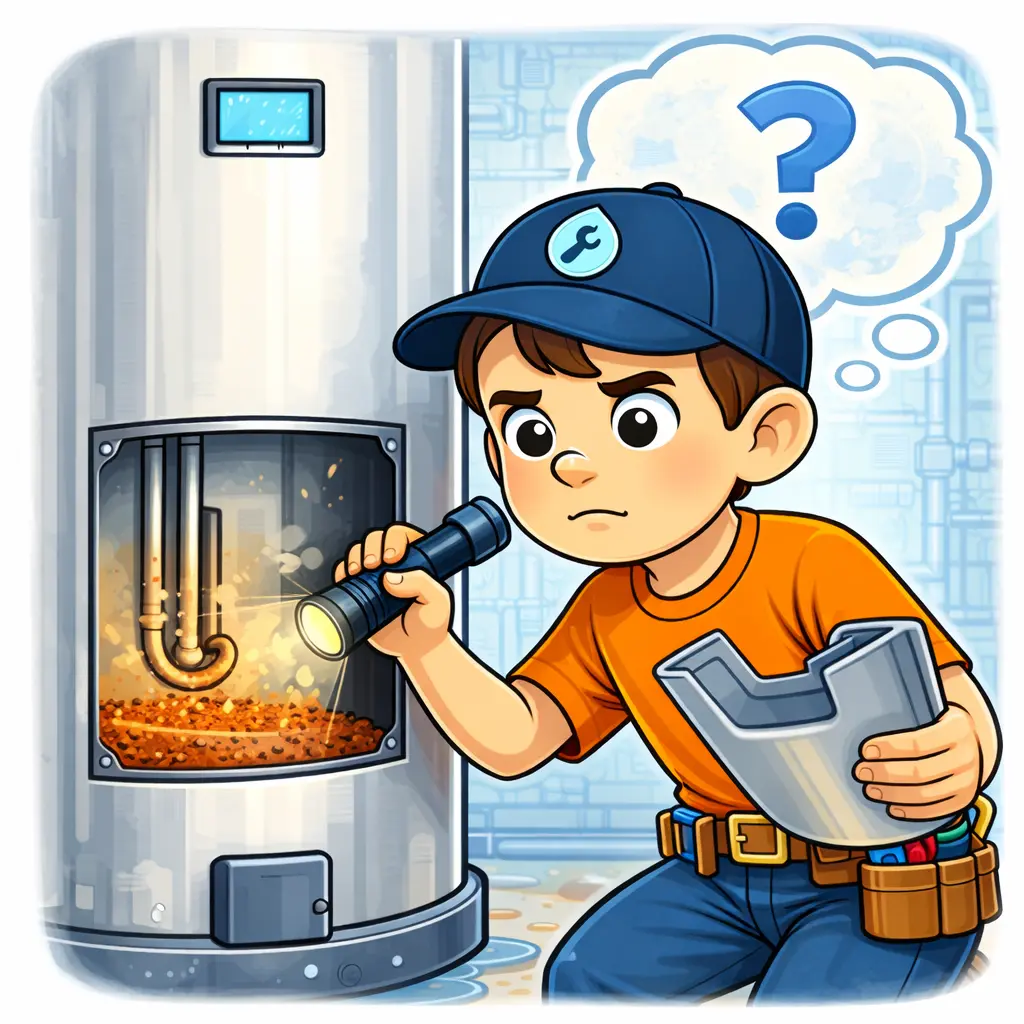
- Sediment buildup: sediment reduces capacity and slows recovery, making the heater work harder. Learn the signs: Water Heater Sediment Symptoms.
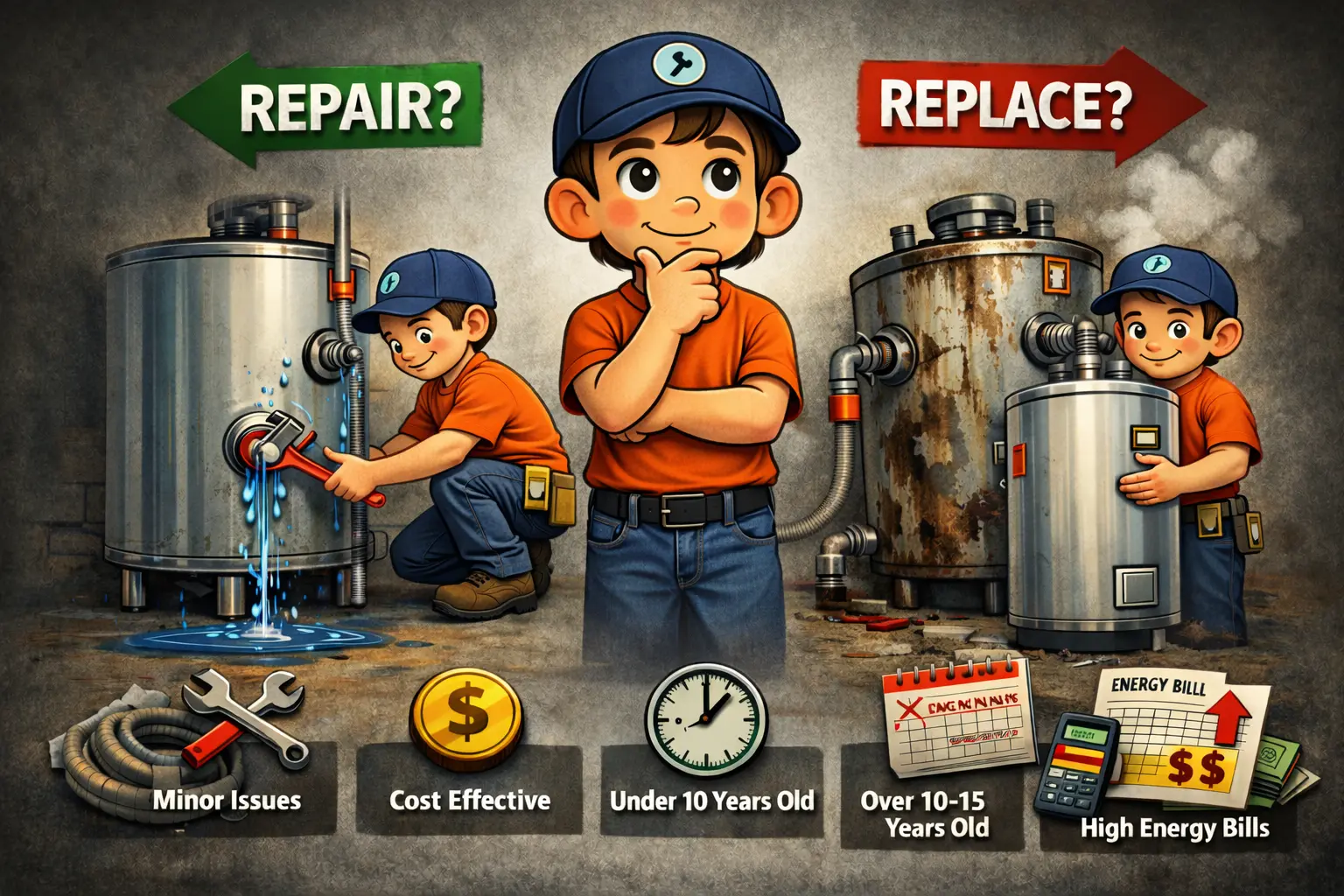
- End-of-life decline: older units can lose performance and become unreliable. If you’re seeing multiple issues, use: How Long Does a Water Heater Last?.
If you’re unsure whether you should repair or replace, the decision guide is here: Water Heater Repair vs Replacement.
Kids in the home: scald risk basics
If kids are in the home, be extra careful about scald risk. Hot water can cause burns faster than many people realize. That’s one reason many households use 120°F as a starting point.
If you increase temperature, do it gradually and test—especially if children, elderly family members, or anyone with sensitivity to hot water uses the faucets.
FAQs
Should I raise the temperature if I run out of hot water?
Sometimes a small adjustment helps, but “running out fast” is often a sizing or sediment issue. Use the sizing guide: Water Heater Sizing Guide and review sediment symptoms: Sediment Symptoms.
Why does my shower temperature swing?
Temperature swings can come from setting issues, demand overlap, or a heater that’s struggling to keep up. If it’s consistent and paired with other problems, it may be time to evaluate repair vs replacement: Repair vs Replacement.
Do installers set the temperature during a replacement?
A quality install should include verified startup and a walkthrough, including temperature settings and shutoff location. Use this checklist as your reference: Installation Checklist.