Water Heater Sizing Guide: What Size Water Heater Do You Need?
Choosing the right water heater size comes down to one thing: how much hot water your household uses at peak time. Not average use—peak use. Think morning routines, back-to-back showers, laundry running, and dishes happening at the same time.
This guide will help you size a tank water heater (by gallons) and understand how tankless sizing works (by flow rate and temperature rise). If you want a quick answer, start with the shortcut below—then use the “what changes the right size” section to fine-tune it.
Quick Sizing Shortcut (Tank Units)
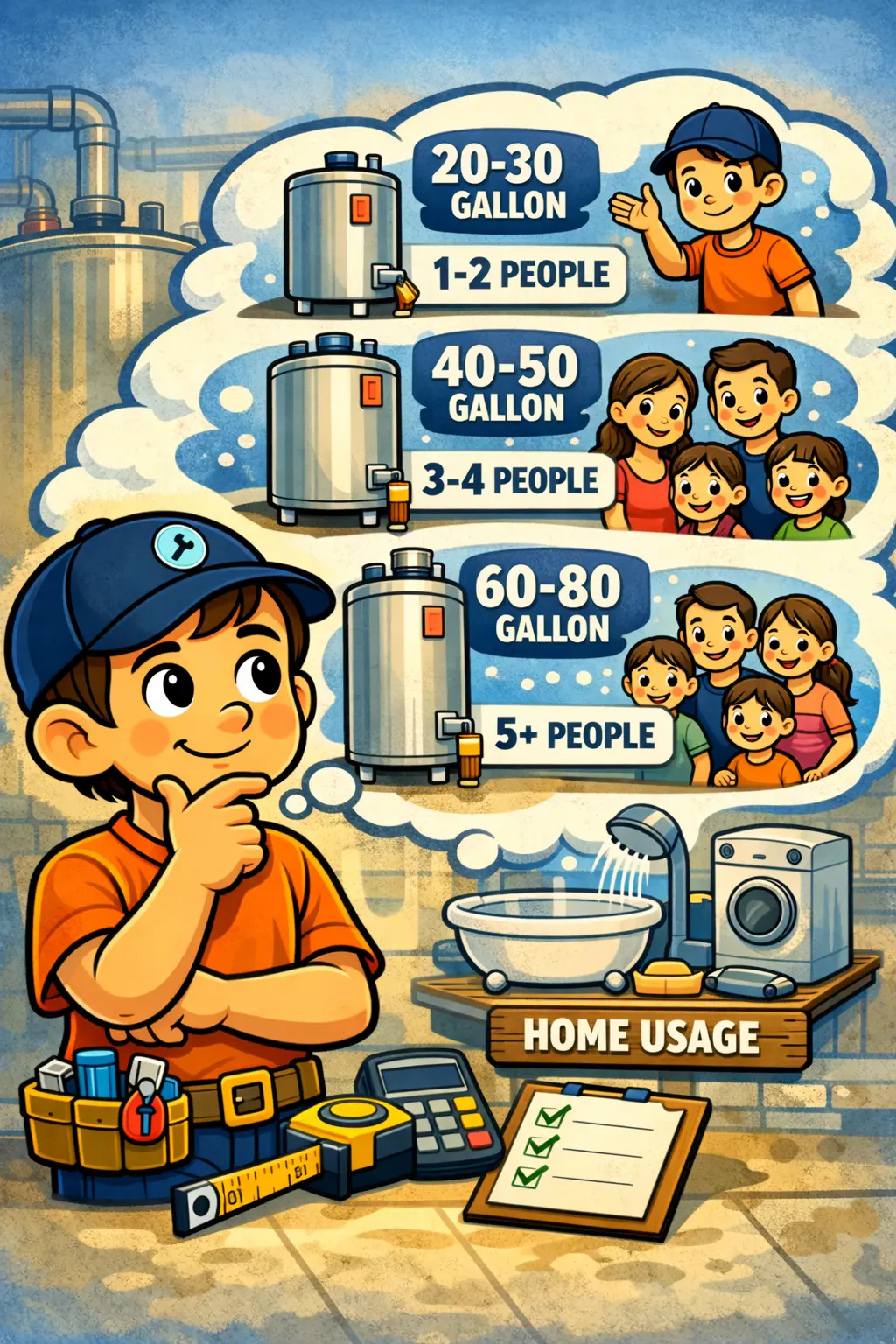
For a standard tank water heater, most households fall into these ranges:
- 1–2 people: often 30–40 gallons
- 2–3 people: often 40–50 gallons
- 3–5 people: often 50–80 gallons
- 5+ people or heavy usage: often 80 gallons or consider tankless
This is a solid starting point—but it’s not the whole story. Two homes with the same number of people can need very different sizes depending on how hot water is used.
If you want an even more direct answer, this page helps narrow it down: What Size Water Heater Do I Need?
How Peak Usage Changes Your “Right Size”
The biggest sizing mistakes happen when homeowners think in gallons only. What matters is how much hot water you need during your busiest hour.
Here are the most common “peak usage” factors that push you toward a larger size:
- Back-to-back showers (especially when everyone gets ready at the same time)
- Large tubs or multi-head showers
- Laundry + showers overlapping
- Dishwasher + showers running together
- Guests or a household that’s home all day
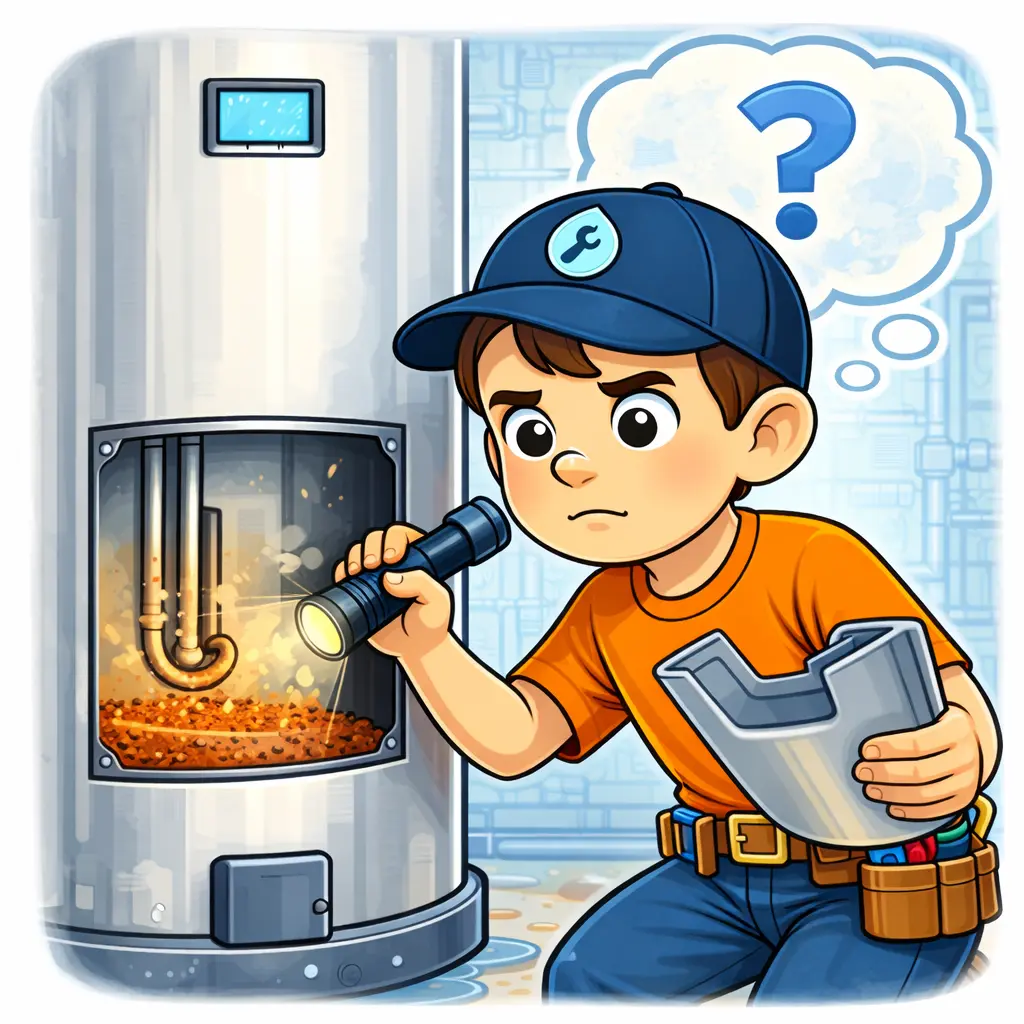
On the other side, if your current unit feels “too big,” it might not be oversized—it might be running hot, losing heat, or collecting sediment. Sediment can reduce performance and make a unit seem undersized: Water Heater Sediment Symptoms.
The #1 Spec That Actually Matters: First Hour Rating (FHR)
If you’re shopping for a tank water heater, don’t size based only on gallons. Look for the First Hour Rating (FHR).
FHR = how many gallons of hot water the heater can deliver in a busy hour (including the hot water already stored in the tank plus what it can heat as you use it).
Why this matters: a 50-gallon heater with a strong recovery rate can outperform a larger tank with weak recovery. If your household does back-to-back showers, FHR is the spec that protects you from running out of hot water.
If you’re seeing signs your heater is struggling (or failing), this guide helps you spot the difference between normal performance vs replacement time: Signs You Need a New Water Heater.
Tankless Water Heater Sizing (Flow Rate + Temperature Rise)
Tankless is not “one size fits all.” A tankless unit must be sized for your home’s flow rate (how many fixtures run at once) and your temperature rise (how much the unit must heat the incoming water).
1) Flow rate (GPM)
Flow rate is your real-life “how many things can run at once” number. Examples:
- Two showers running at the same time
- Shower + laundry
- Shower + dishwasher
- Multiple bathrooms in use during morning routines
2) Temperature rise
Temperature rise is the difference between your incoming water temperature and your target hot water temperature. The larger the temperature rise, the more work the tankless unit has to do (and the lower the max GPM becomes).
3) Your home’s gas/electrical setup matters
- Gas tankless: often needs proper gas line sizing and correct venting
- Electric tankless: can require significant electrical upgrades
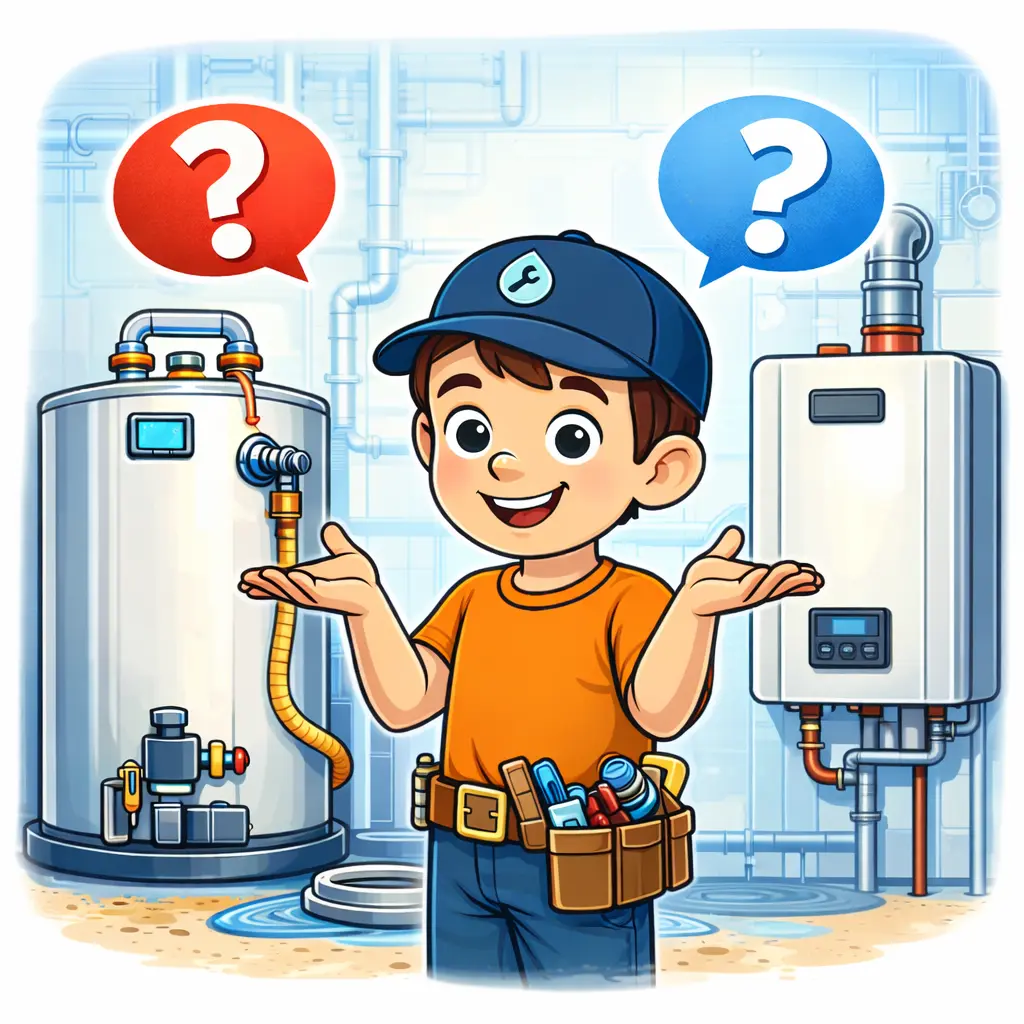
If you’re weighing tank vs tankless, start here: Tank vs Tankless Water Heater.
Quick Questions to Confirm Your Size
If you want a fast check without guessing, look at your current unit and ask:
- Do we run out of hot water now? If yes, you may need a larger tank, higher FHR, or tankless.
- Are we upgrading fixtures or adding bathrooms? New fixtures can increase demand.
- Are we trying to reduce energy use? Sometimes a right-sized unit + proper settings saves more than “going bigger.”
- Is the issue performance or failure? A failing unit can mimic “wrong size.”
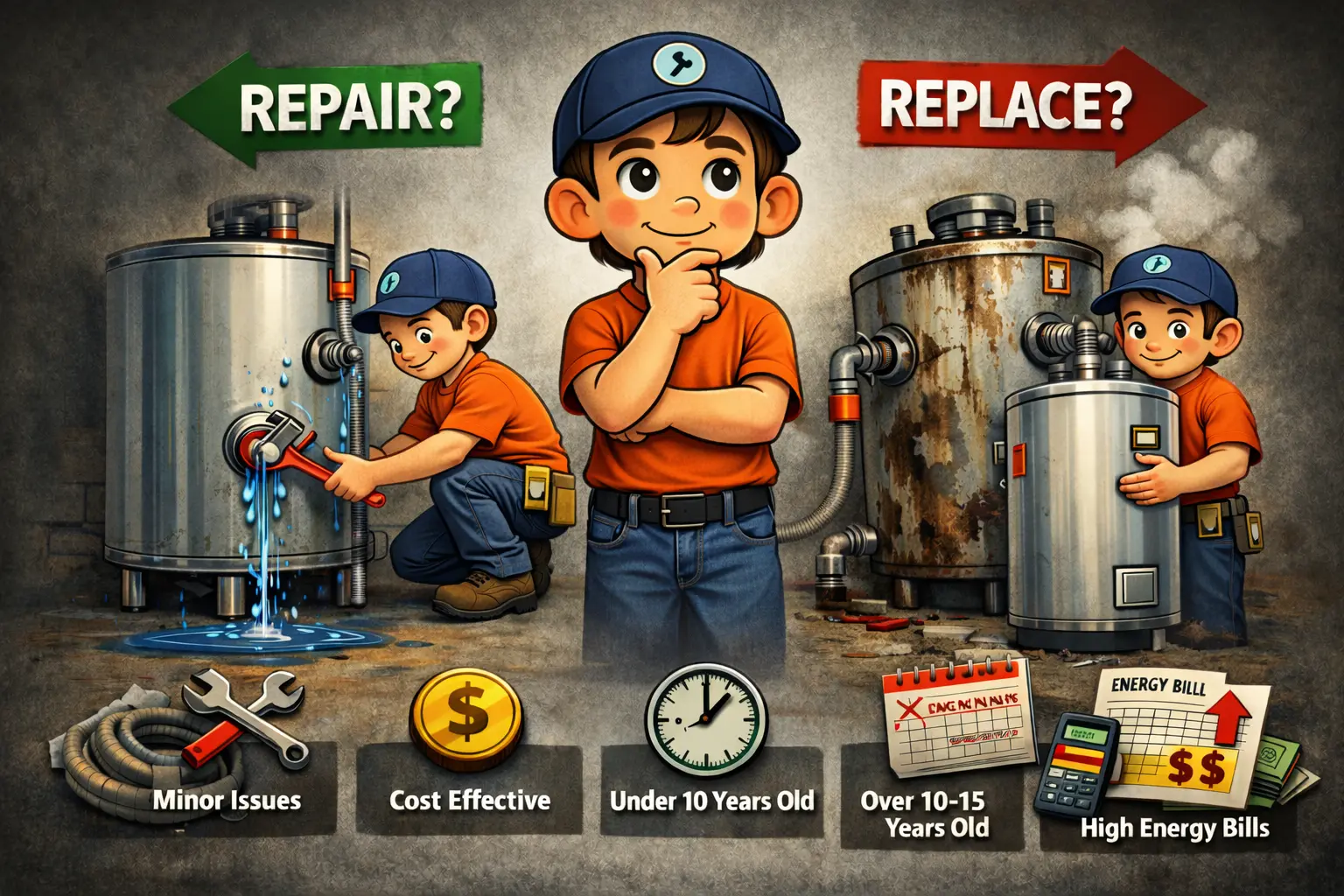
If you’re deciding whether to repair or replace first, read: Water Heater Repair vs Replacement.
Common Water Heater Sizing Mistakes (and How to Avoid Them)
Mistake #1: Matching your old tank size without asking “why”
Many homes have the wrong size installed from the start. If your old unit was undersized, you’ll repeat the same problem. If it was oversized, you may be paying more than you need to.
Mistake #2: Ignoring simultaneous use
People don’t use hot water one at a time. If your home has back-to-back showers, larger tubs, or morning rush hour, you must size for those peak overlaps.
Mistake #3: Choosing tankless without considering requirements
Tankless upgrades can be amazing—but only if your home supports it (gas sizing, venting, electrical capacity). Review: Water Heater Installation Requirements.
Mistake #4: Overheating instead of sizing correctly
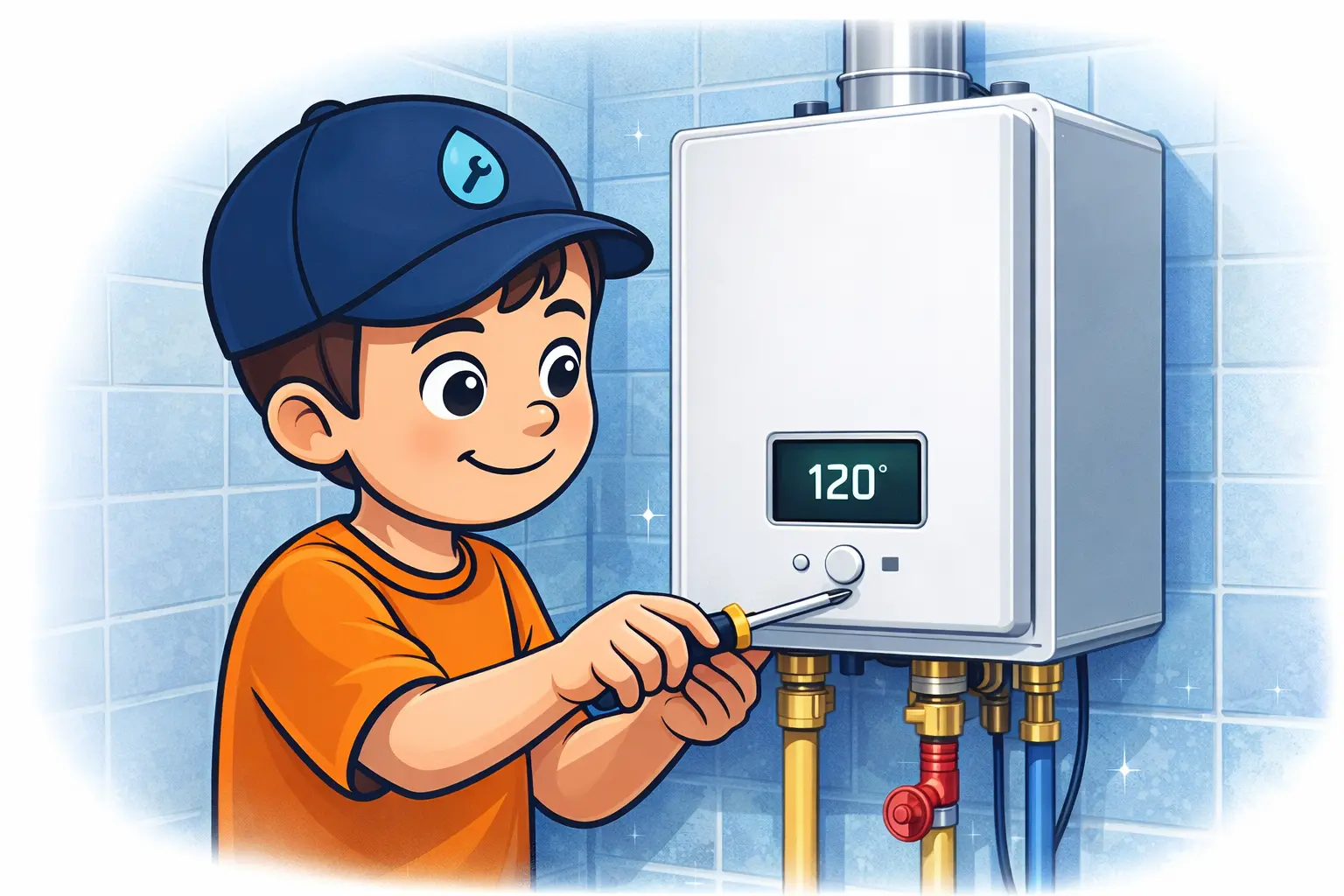
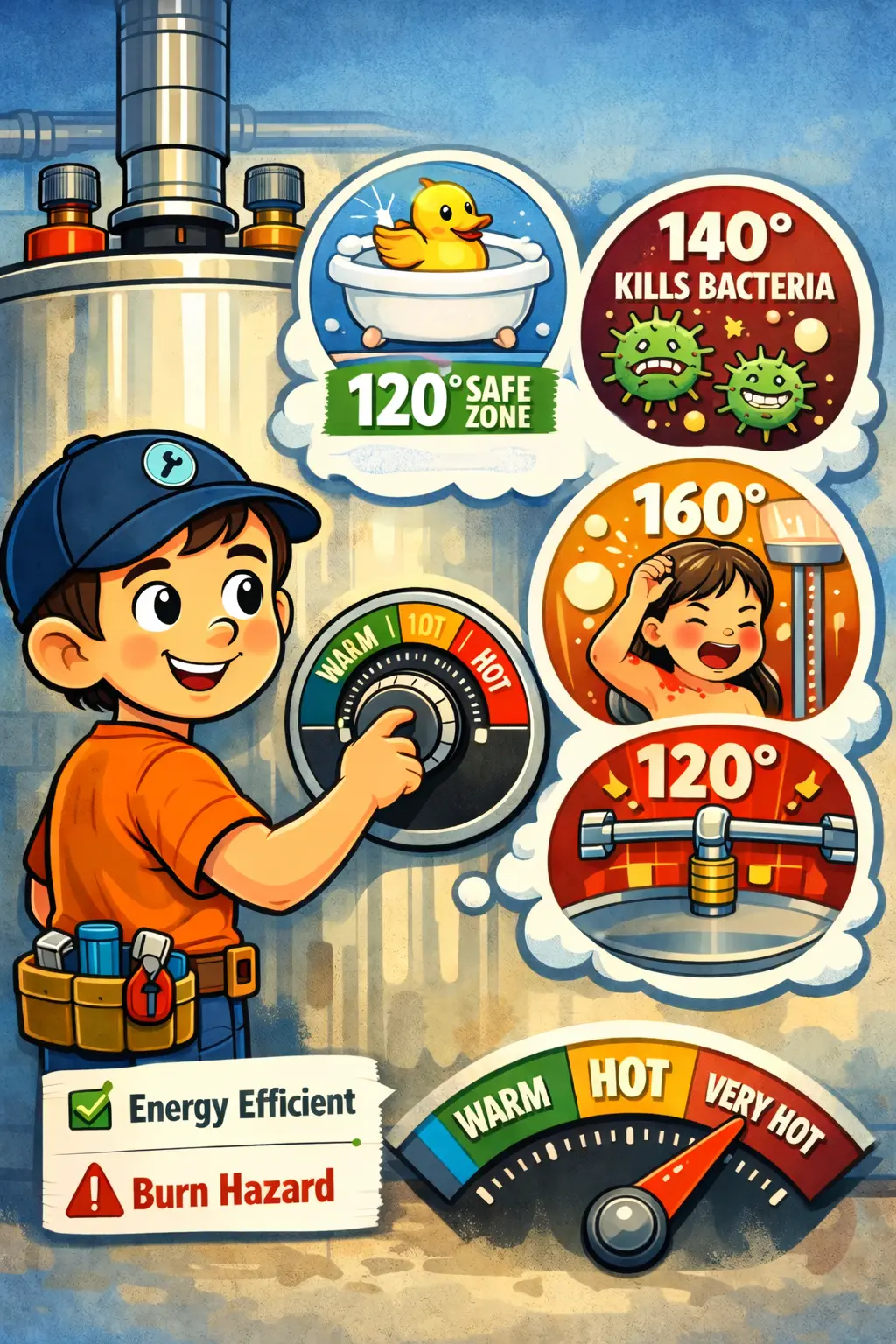
Turning the temperature up can feel like “more hot water,” but it can increase risk and doesn’t fix peak demand issues. Use this guide: Water Heater Temperature Settings.
Next Steps: Installation Planning & Related Guides
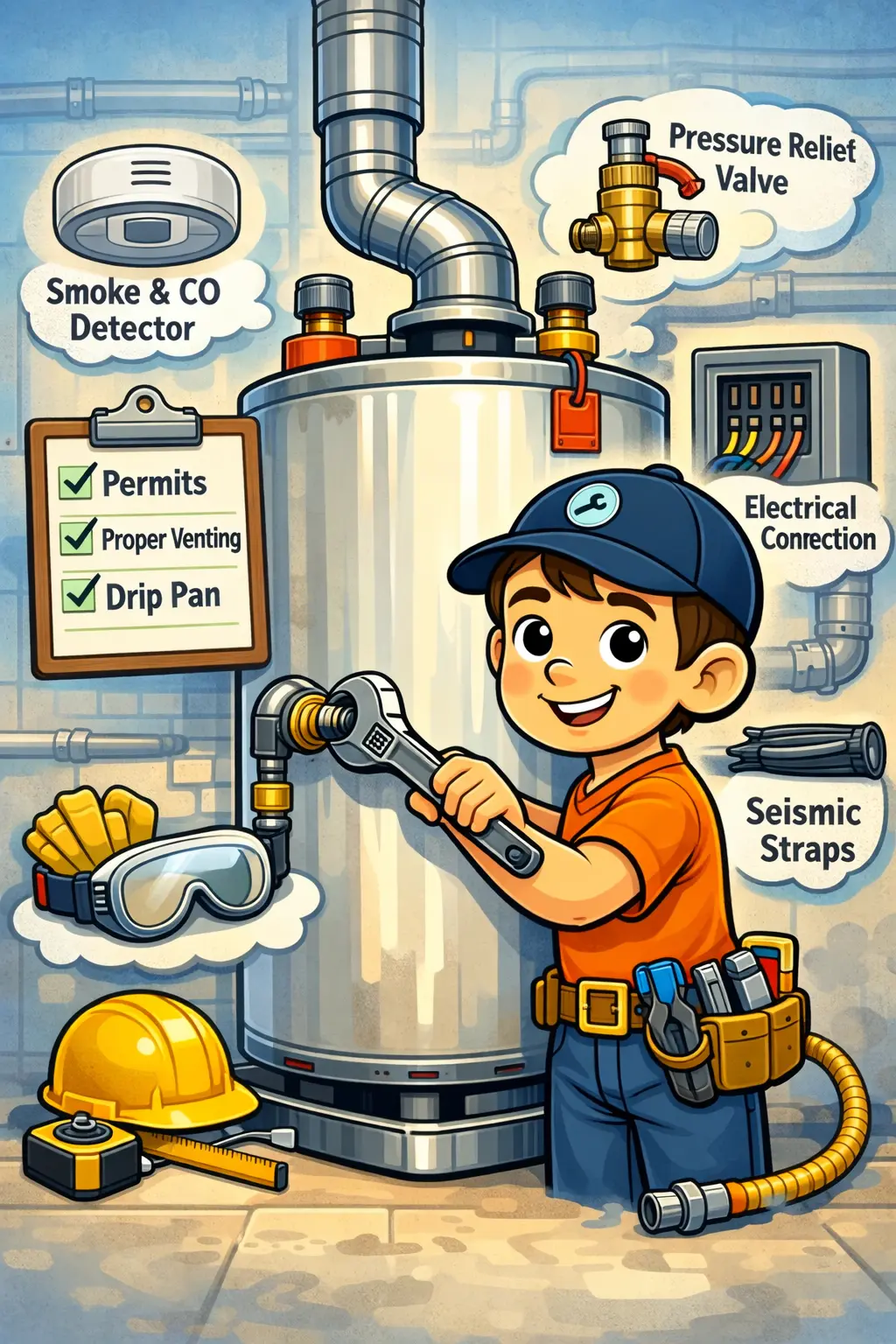
Once you know your size, the next step is making sure the install is clean, safe, and verified. Start here: Water Heater Installation Checklist.
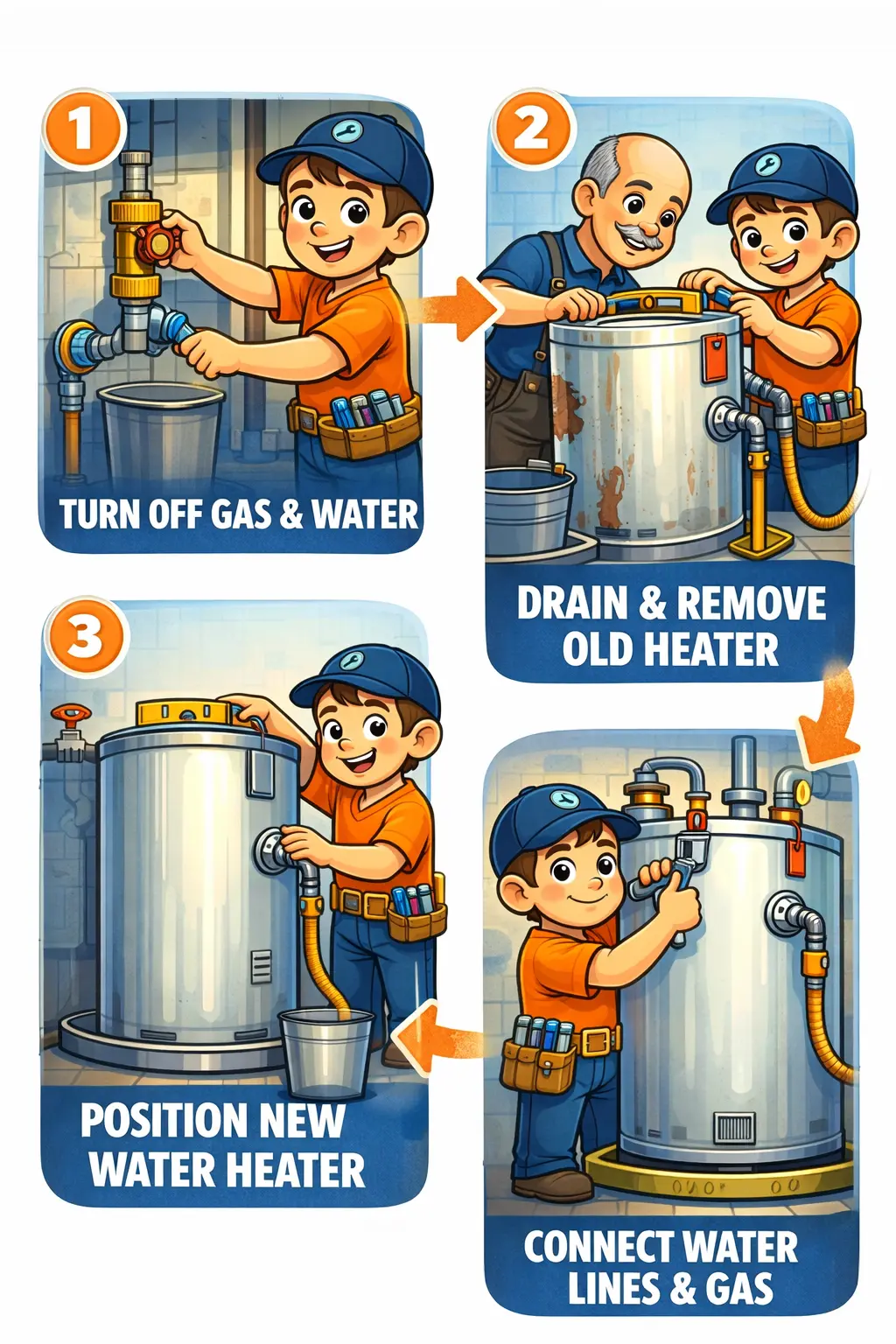
- Water Heater Installation Process
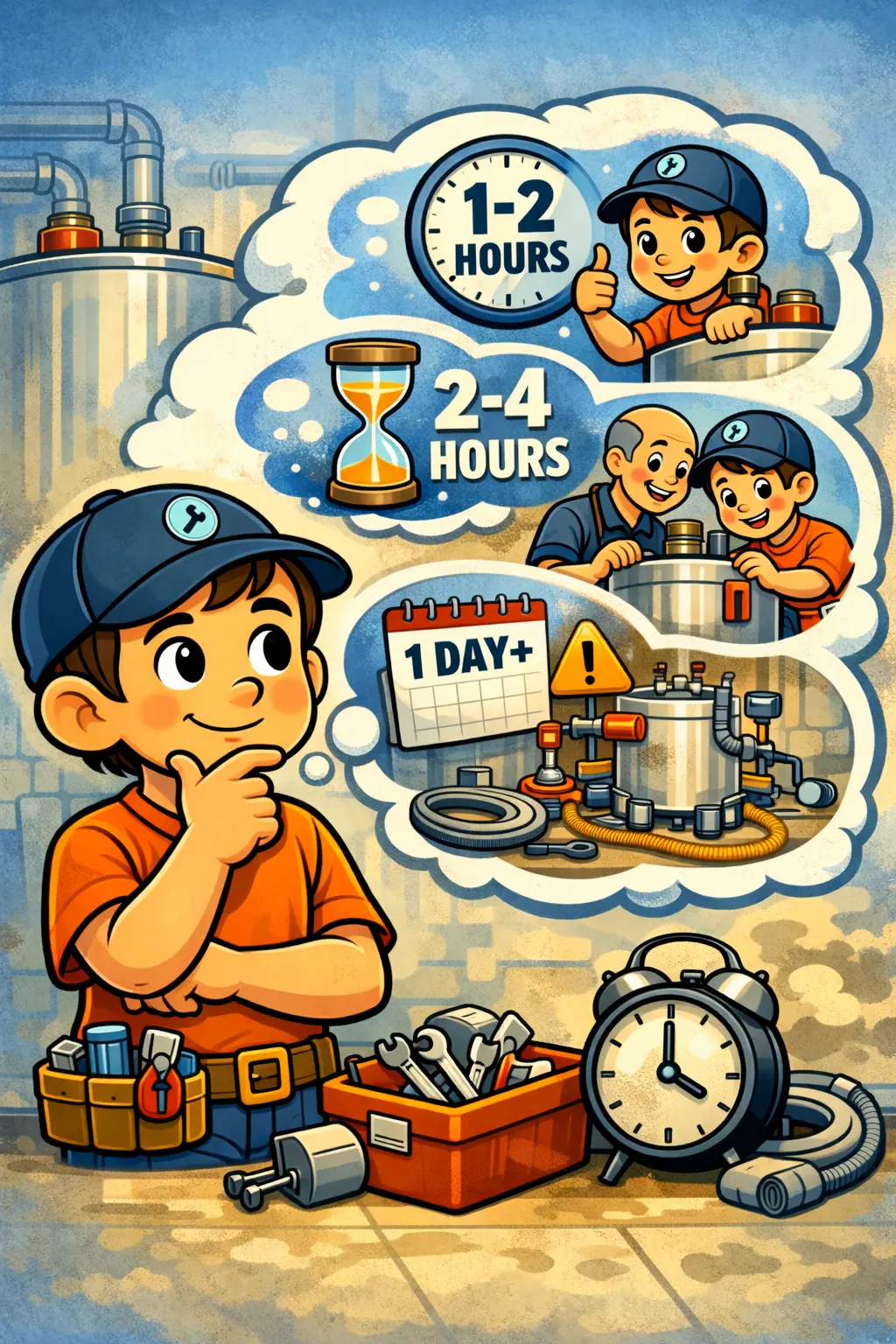
- How Long Does Water Heater Installation Take?
- Water Heater Installation Guide
- Water Heater Replacement Cost Factors
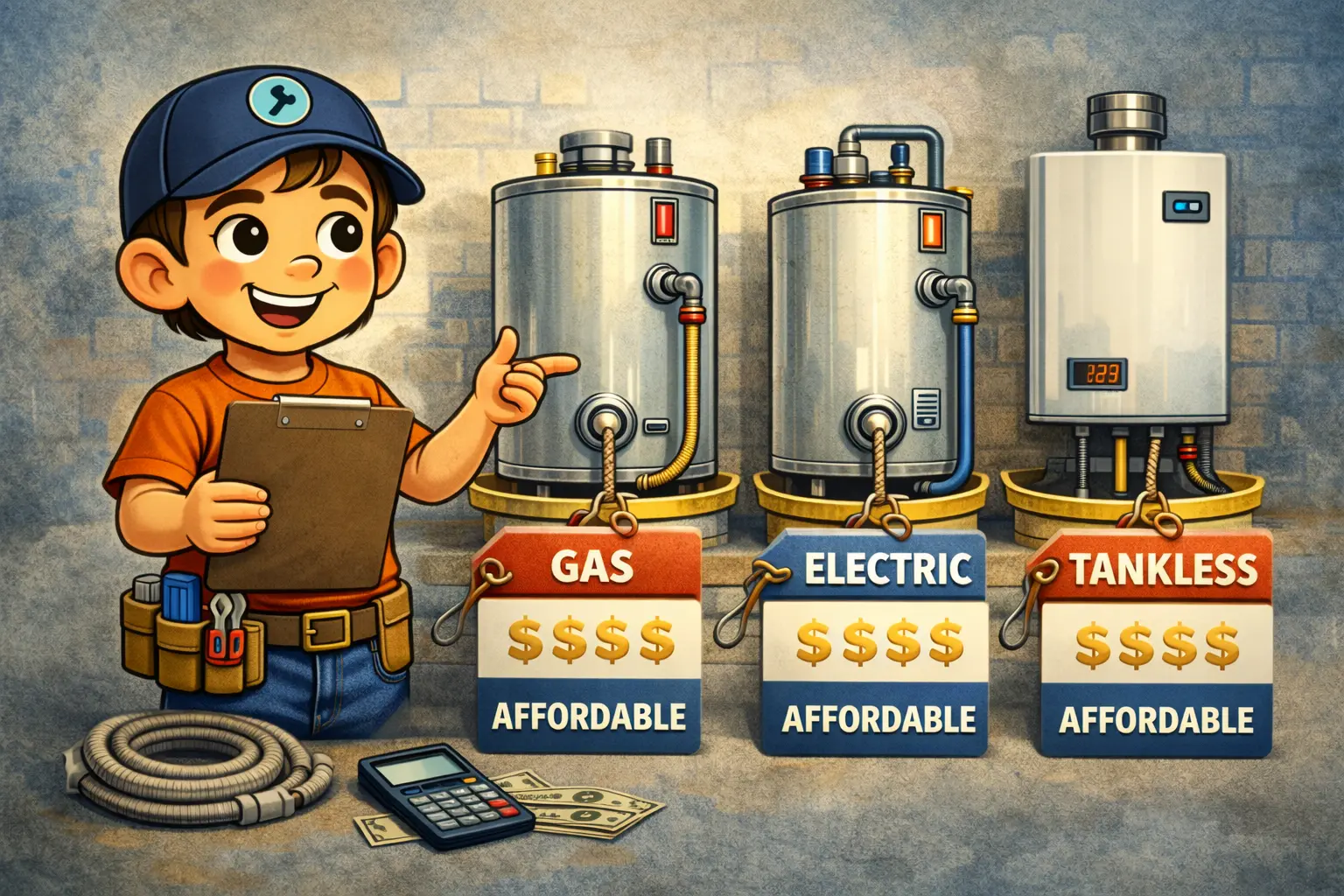
- Affordable Water Heater Replacement Options
If you’re ready to schedule service, you can also visit: Water Heater Installation Near Me or Water Heater Repair Near Me.