Signs You Need a New Water Heater (and When Repair Still Makes Sense)
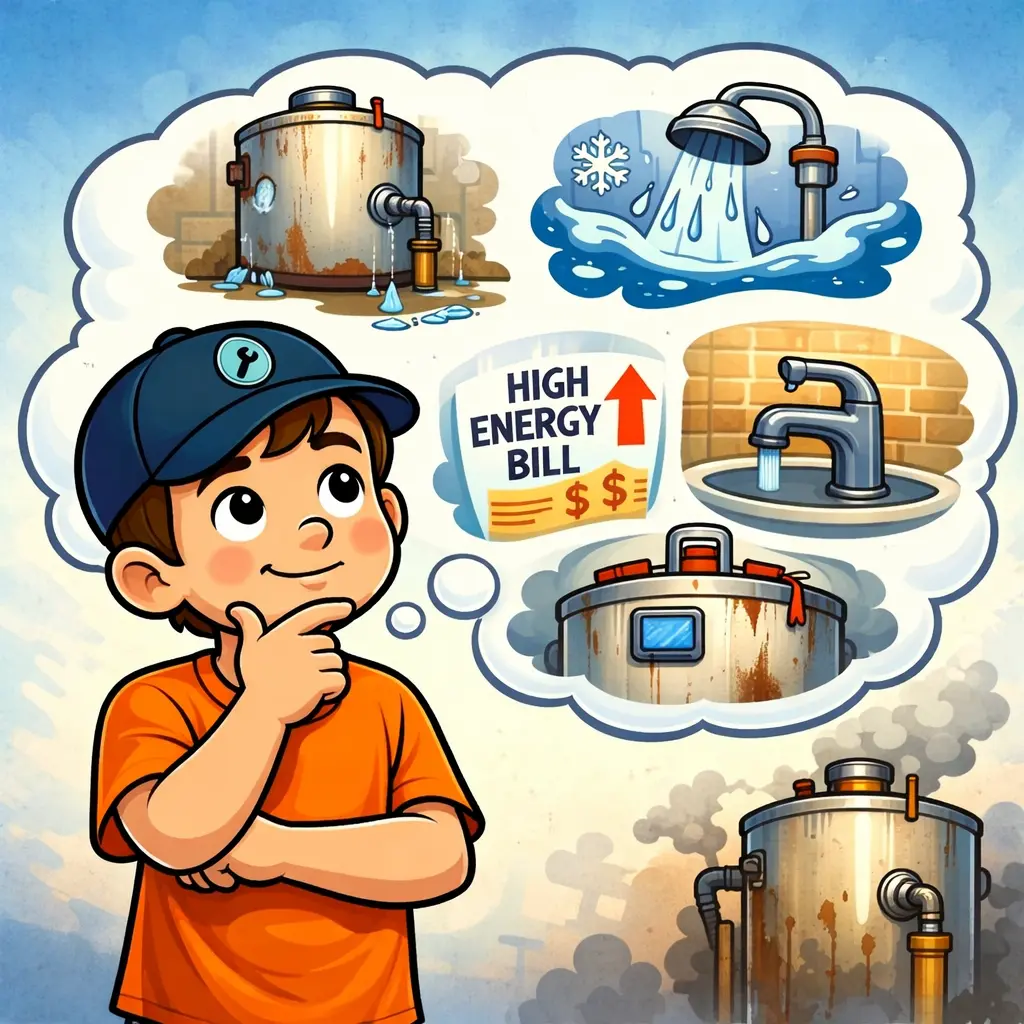
Some water heater problems are repairable. Others are early warnings that the unit is nearing the end—especially if the heater is older and performance keeps dropping. The goal is to avoid two painful outcomes: water damage from a leaking tank and repeated repairs that never restore reliable hot water.
Below are the most common signs it’s time to replace your water heater, the “big one” you should never ignore, and a simple way to decide repair vs replacement without guessing.
Common signs your water heater is failing
Most water heaters don’t fail instantly. They usually show warning signs as performance drops. If you’re seeing one symptom, it may be an early repairable issue. If you’re seeing multiple symptoms—especially on an older unit—it’s often a sign the heater is approaching end-of-life.
1) Hot water doesn’t last like it used to
If you’re running out of hot water faster than normal, it can be caused by sediment buildup, a failing component, or a heater that’s no longer keeping up with demand. If your household routines haven’t changed but performance has, this is a common “beginning of the end” sign.
2) Temperature swings during normal use
Hot-cold-hot fluctuations can happen when heating becomes inconsistent. Sometimes it’s a component problem, but it can also be a sign that the heater is struggling overall—especially when paired with noise or reduced capacity.
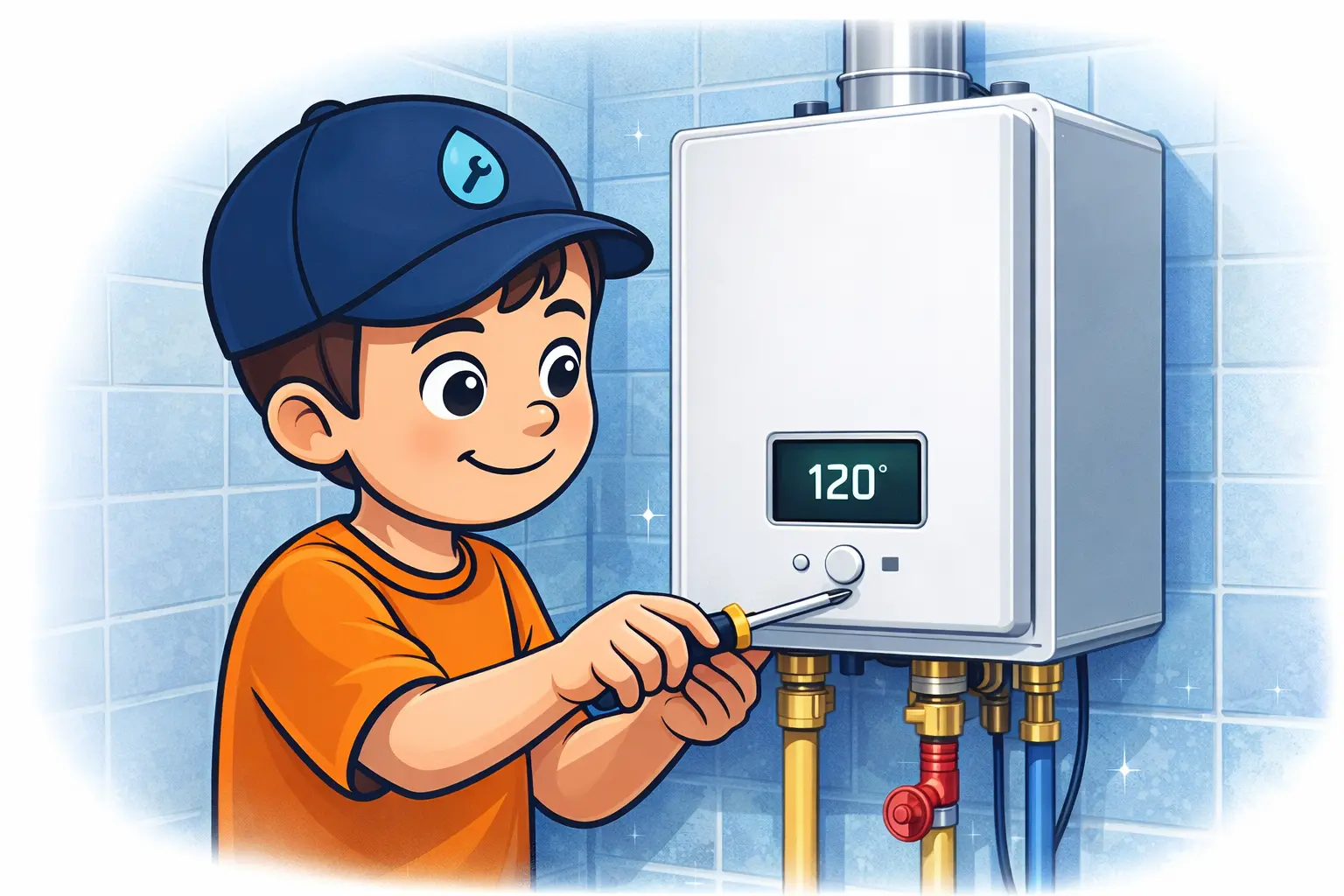
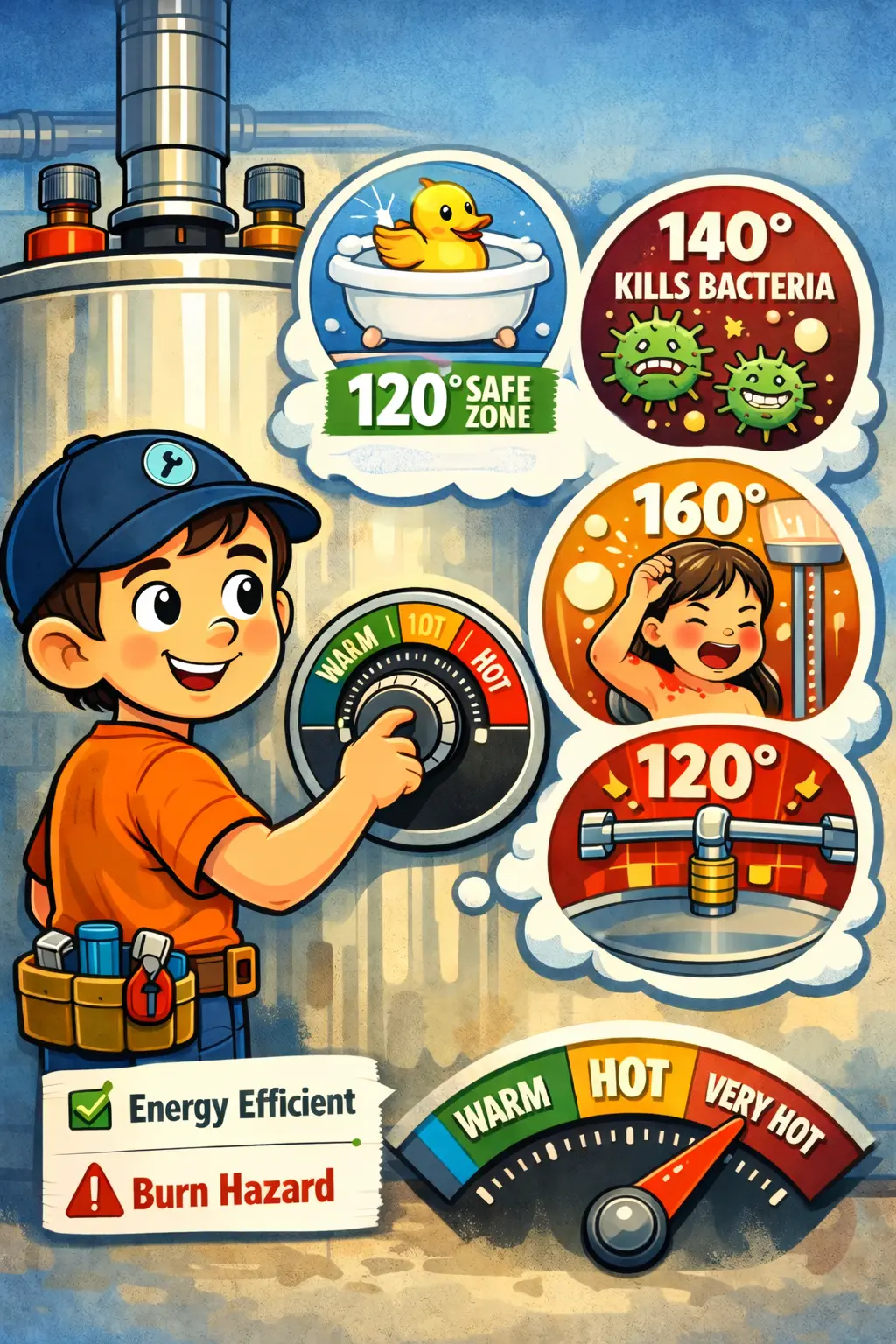
For temperature settings and safe targets, see: Water Heater Temperature Settings.
3) Rust-colored water
Rusty or brownish hot water can indicate corrosion inside the tank or deteriorating parts. It doesn’t always mean the heater must be replaced immediately, but it’s a strong clue that the system is aging and needs evaluation—especially if the unit is already in the typical lifespan range.
4) Popping or rumbling noises
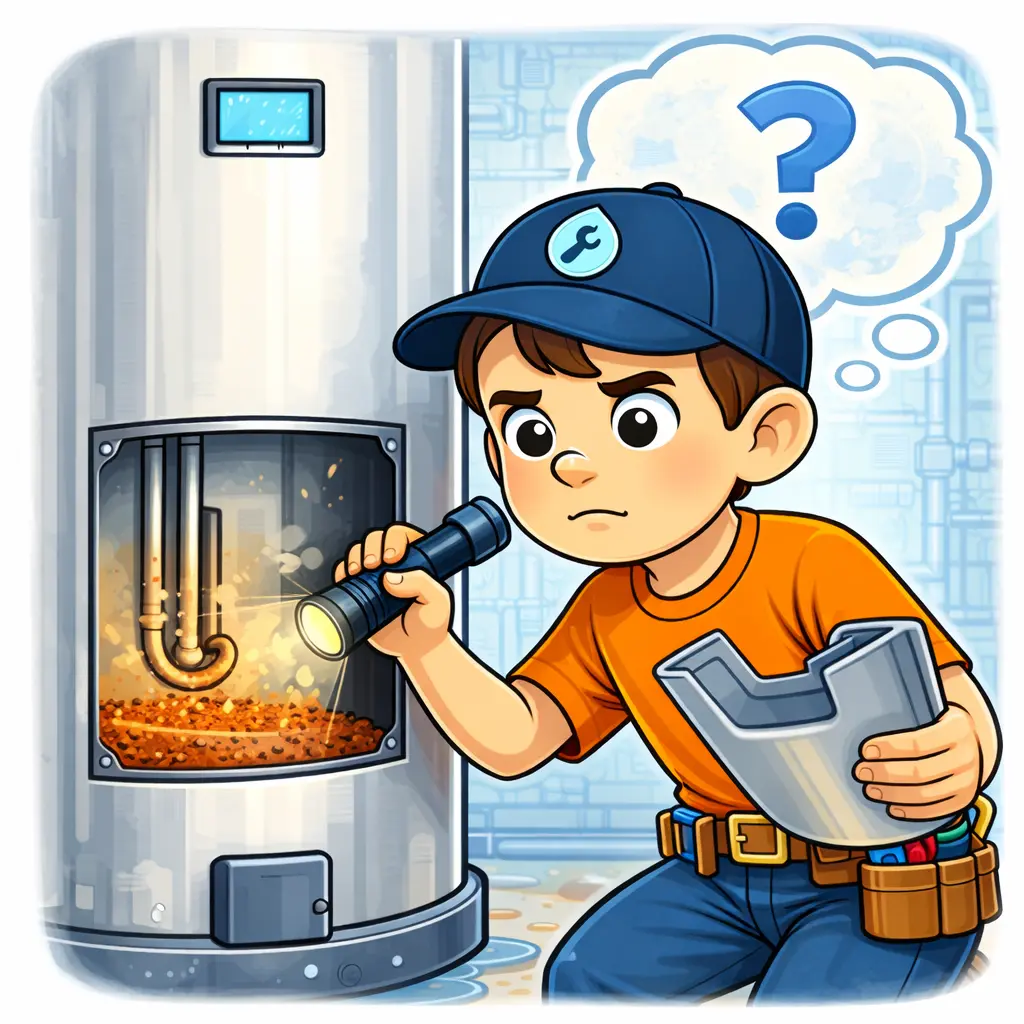
Popping, crackling, or rumbling is often linked to sediment buildup at the bottom of a tank heater. Sediment reduces efficiency, slows heating, and stresses the unit. If you hear this regularly, it’s worth reading: Water Heater Sediment Symptoms.
5) Visible moisture near the tank or fittings
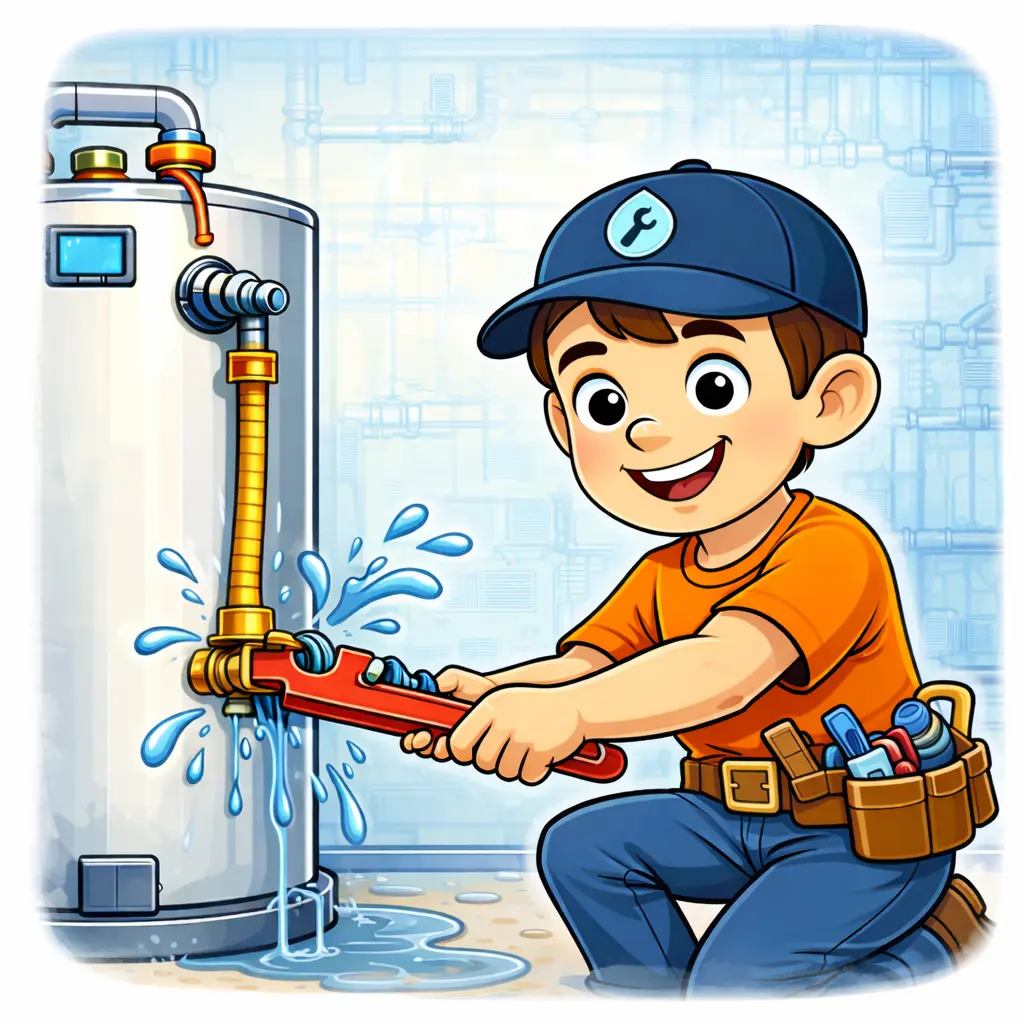
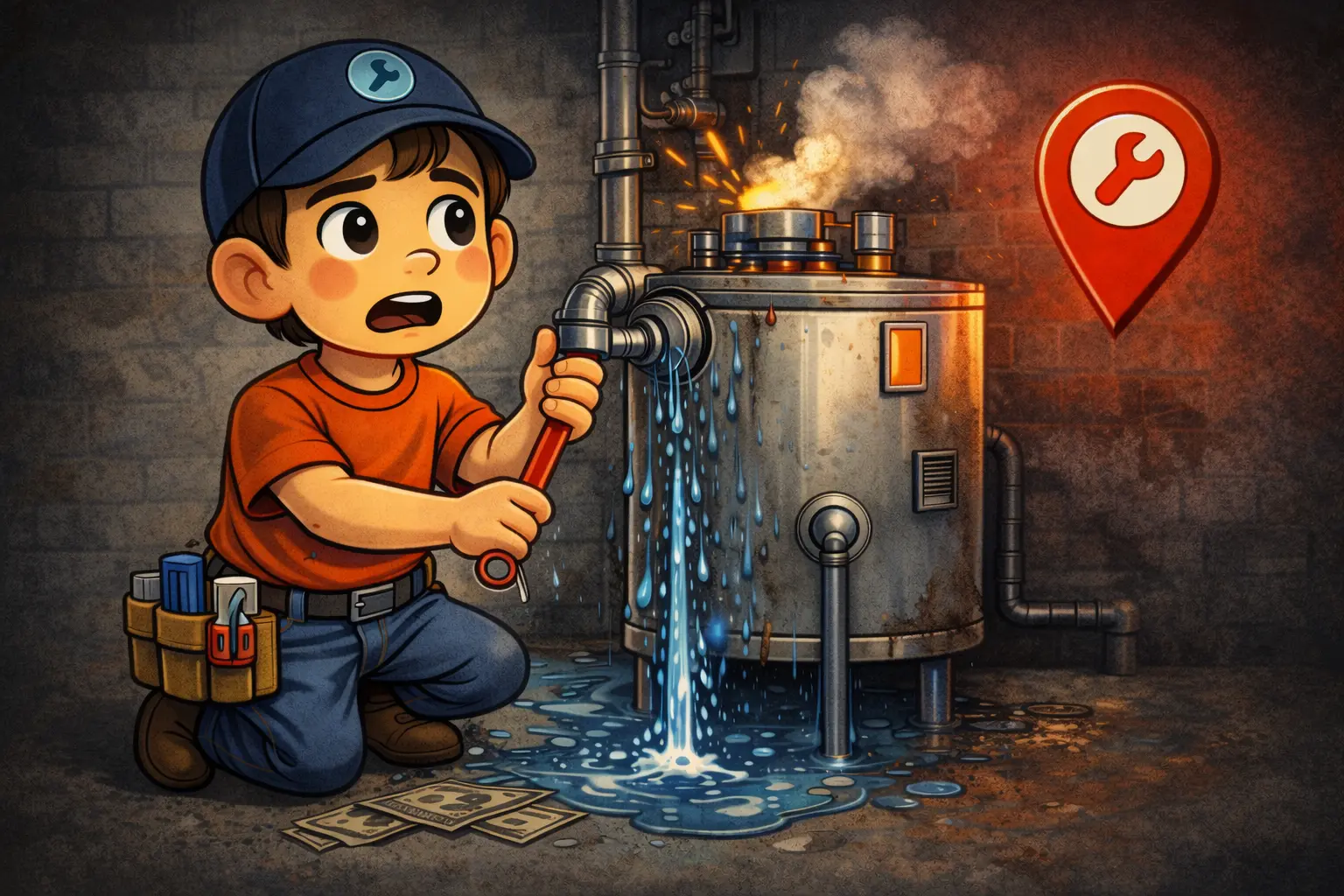
Moisture can come from a loose fitting, a valve, condensation, or the beginning of a bigger failure. Don’t ignore it. Even small drips can cause water damage, mold risk, and corrosion.
If you’re seeing an active leak, follow these steps right away: Water Heater Leaking: What to Do.
The big one: a leaking tank
If the tank itself is leaking, replacement is usually the correct move. A tank shell leak is not a reliable “repair” situation—patches don’t hold long-term, and the risk of water damage increases quickly.
The most common red flag is water pooling around the base of the heater or leaking from the lower portion of the tank. If that’s happening now, use this guide immediately: Water Heater Leaking: What to Do.
When repair may still make sense
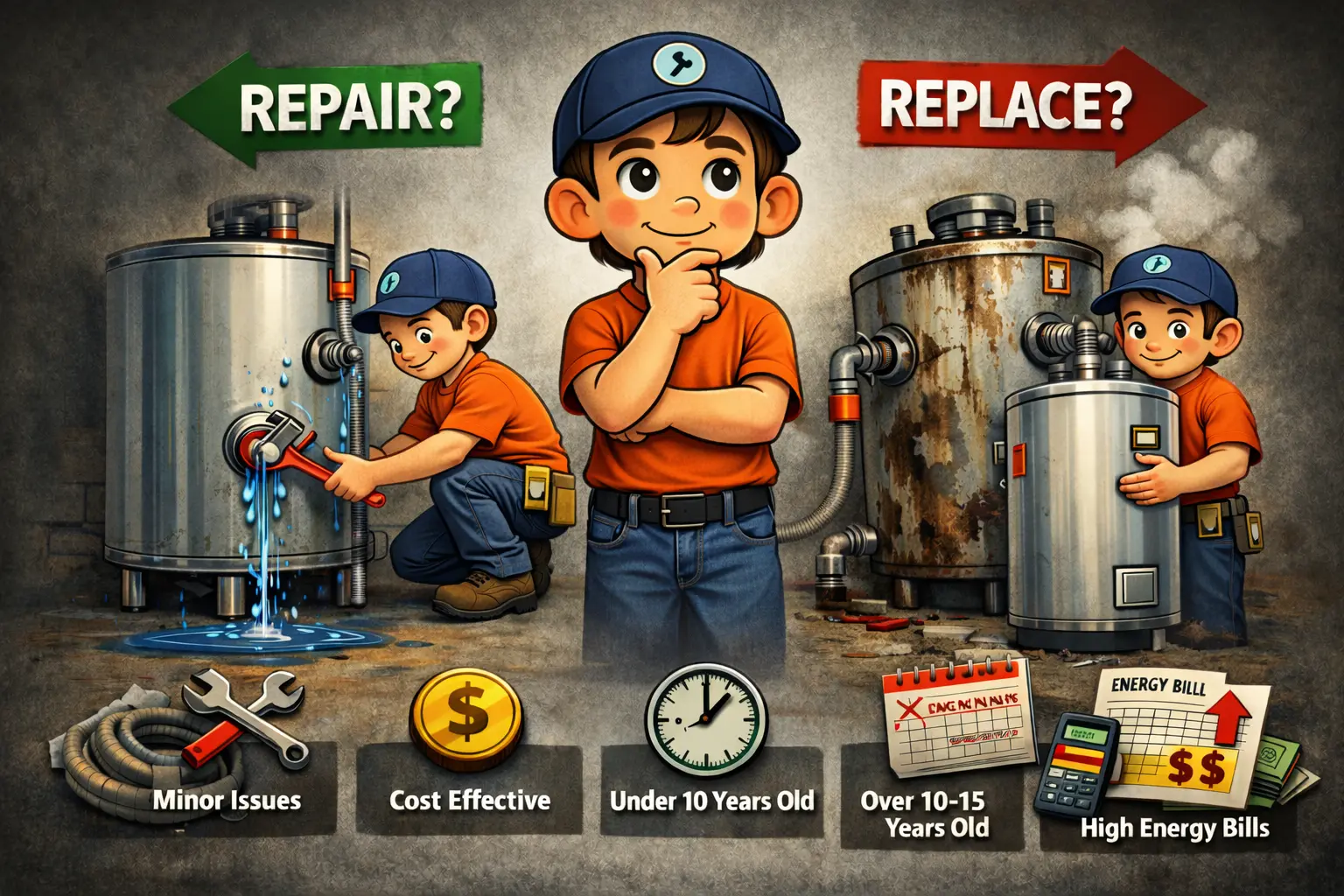
Repair can be a great option when the unit is newer, the tank is not leaking, and the issue is clearly a component problem (thermostat, heating element, igniter, etc.). In those cases, a targeted repair can restore performance without the cost of full replacement.
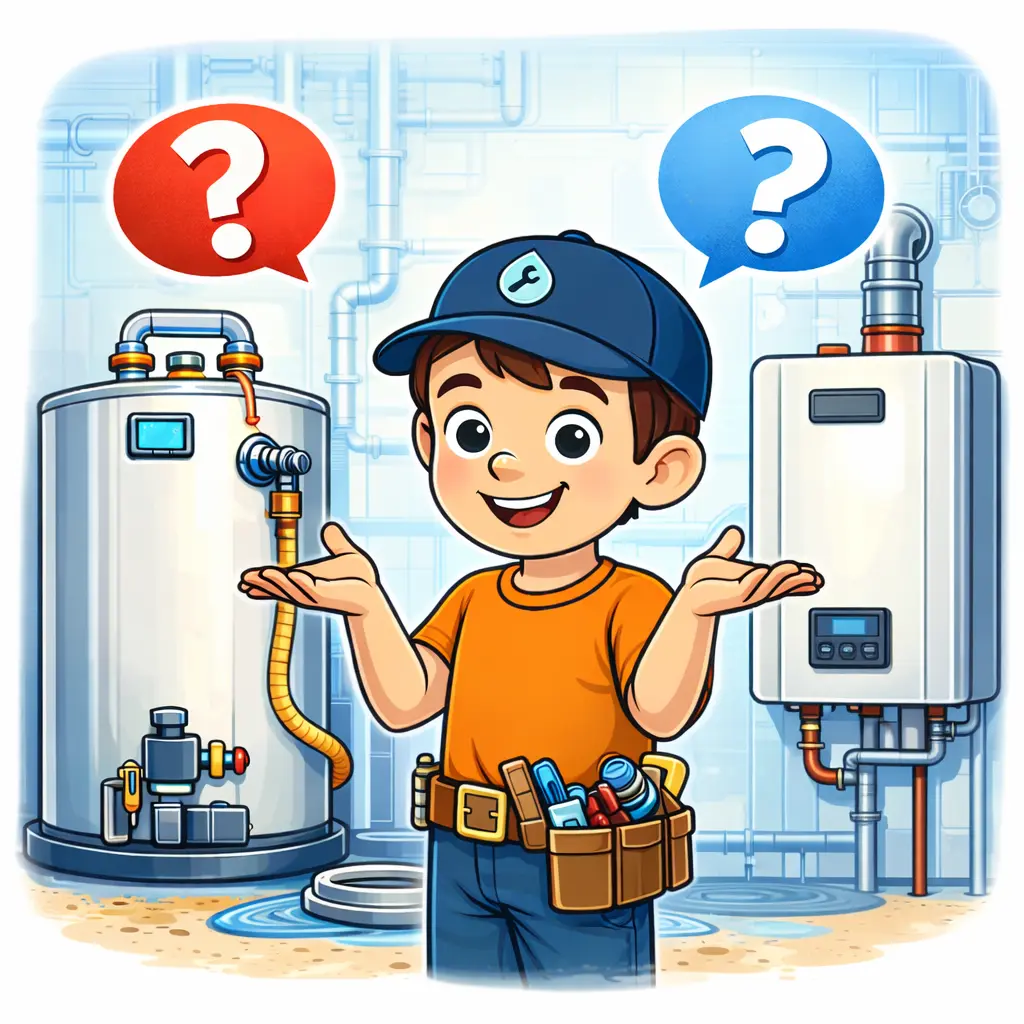
If you’re unsure, the decision framework is here: Water Heater Repair vs Replacement.
A quick decision tip
If you’re facing repeated issues on an older unit, replacement is often cheaper in the long run than chasing repairs. One repair might be fine. But when you’re stacking issues (noise + low capacity + temp swings + age), it’s usually a sign the heater is wearing out overall.
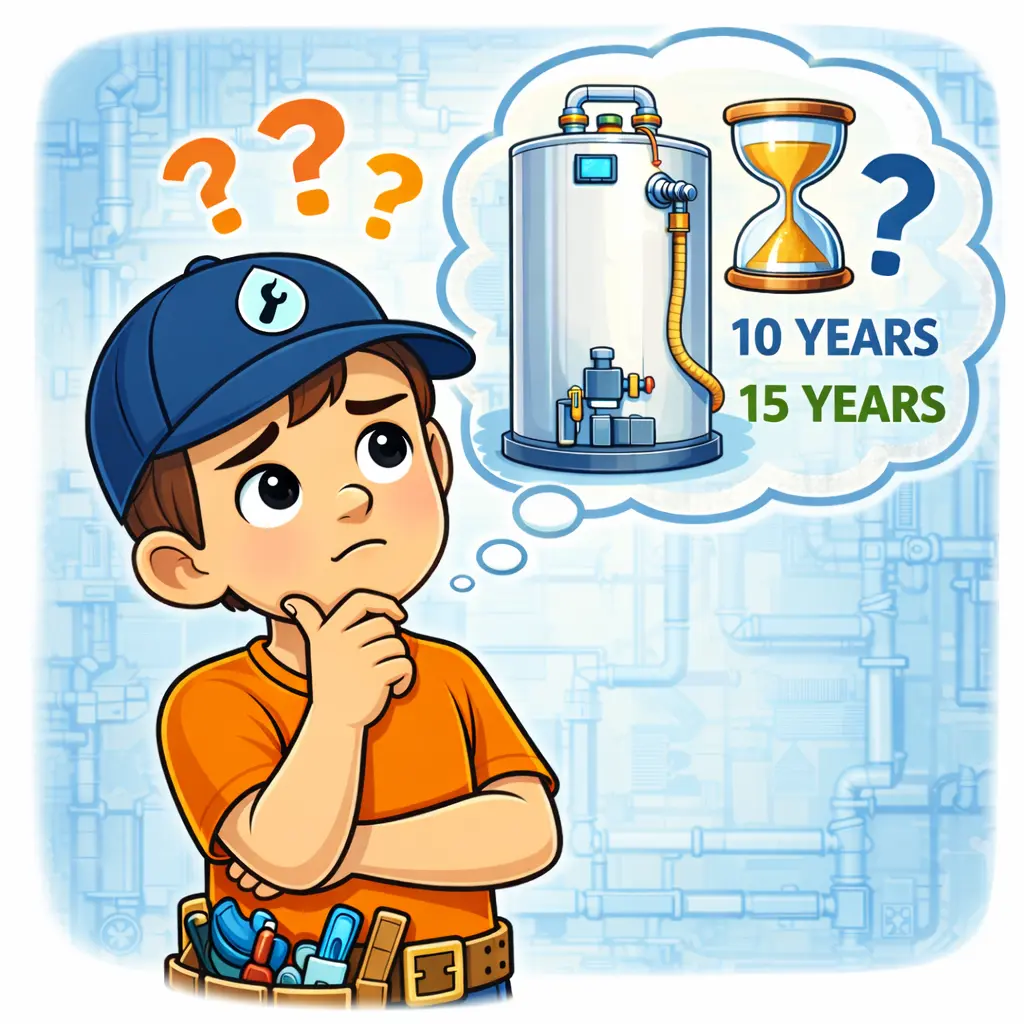
If you’re not sure what “older” means for water heaters, use: How Long Does a Water Heater Last?.
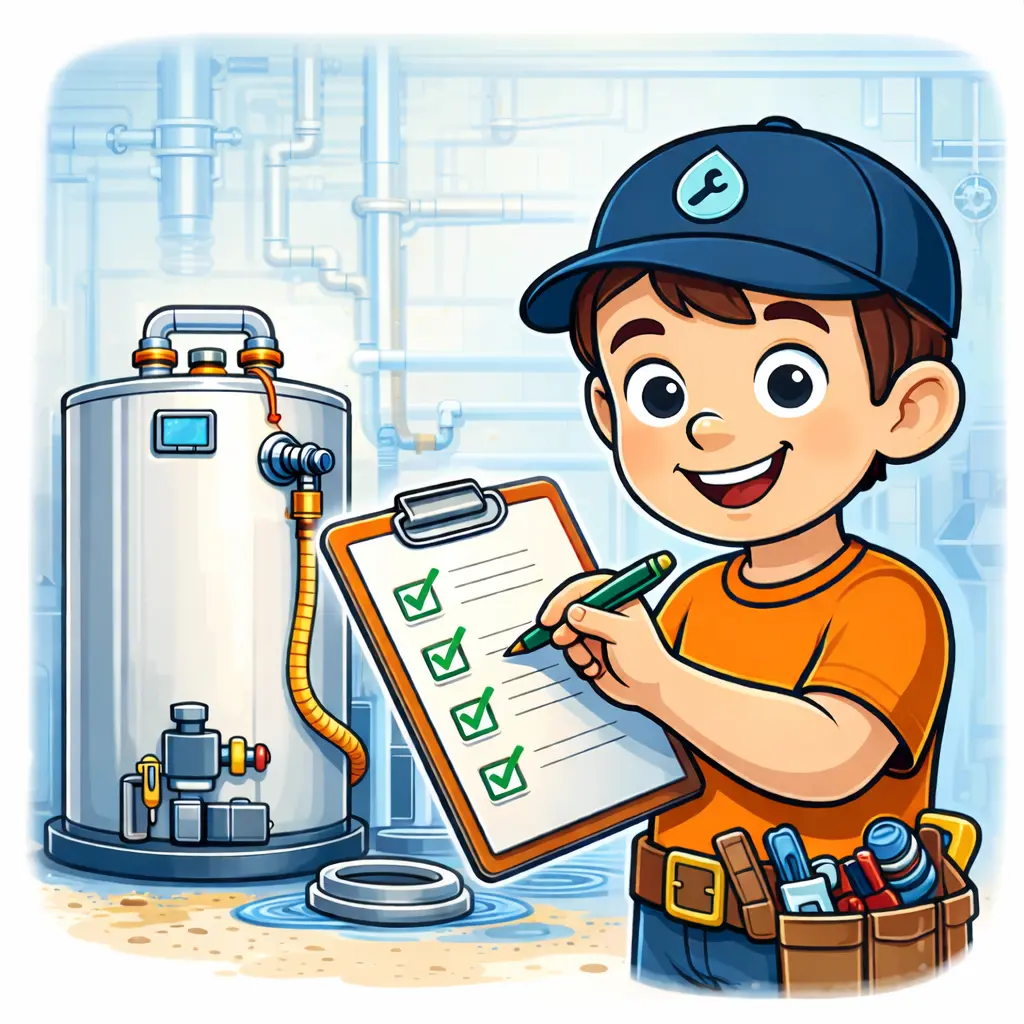
What to do now (simple next steps)
- Check for active leaking: if leaking is present, follow these steps to reduce damage risk.
- List your symptoms: hot water running out, noise, rust-colored water, moisture, temperature swings.
- Factor in age: compare what you’re seeing with typical lifespan expectations: lifespan guide.
- Use the decision page: repair vs replacement is the fastest way to avoid wasted spending.
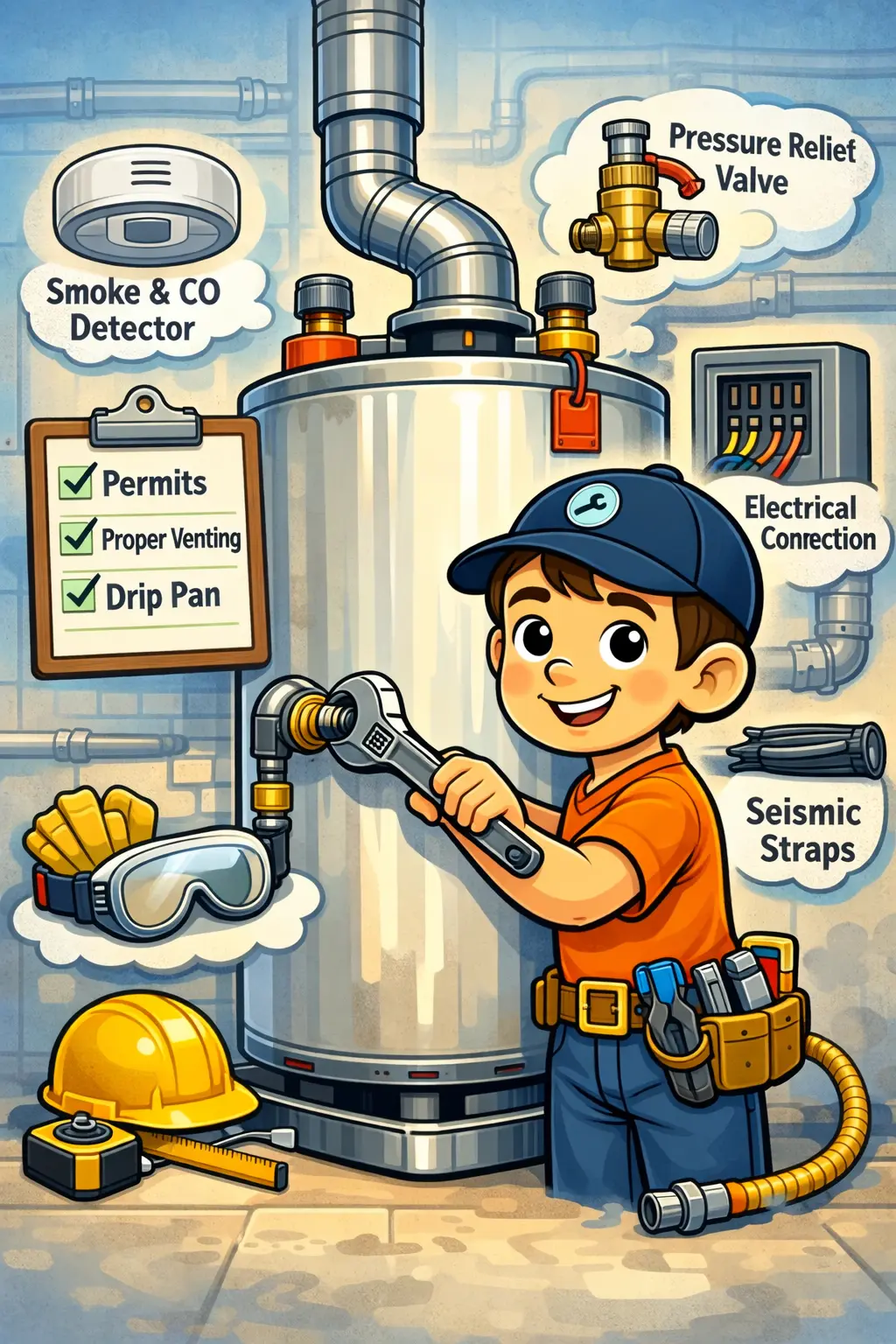
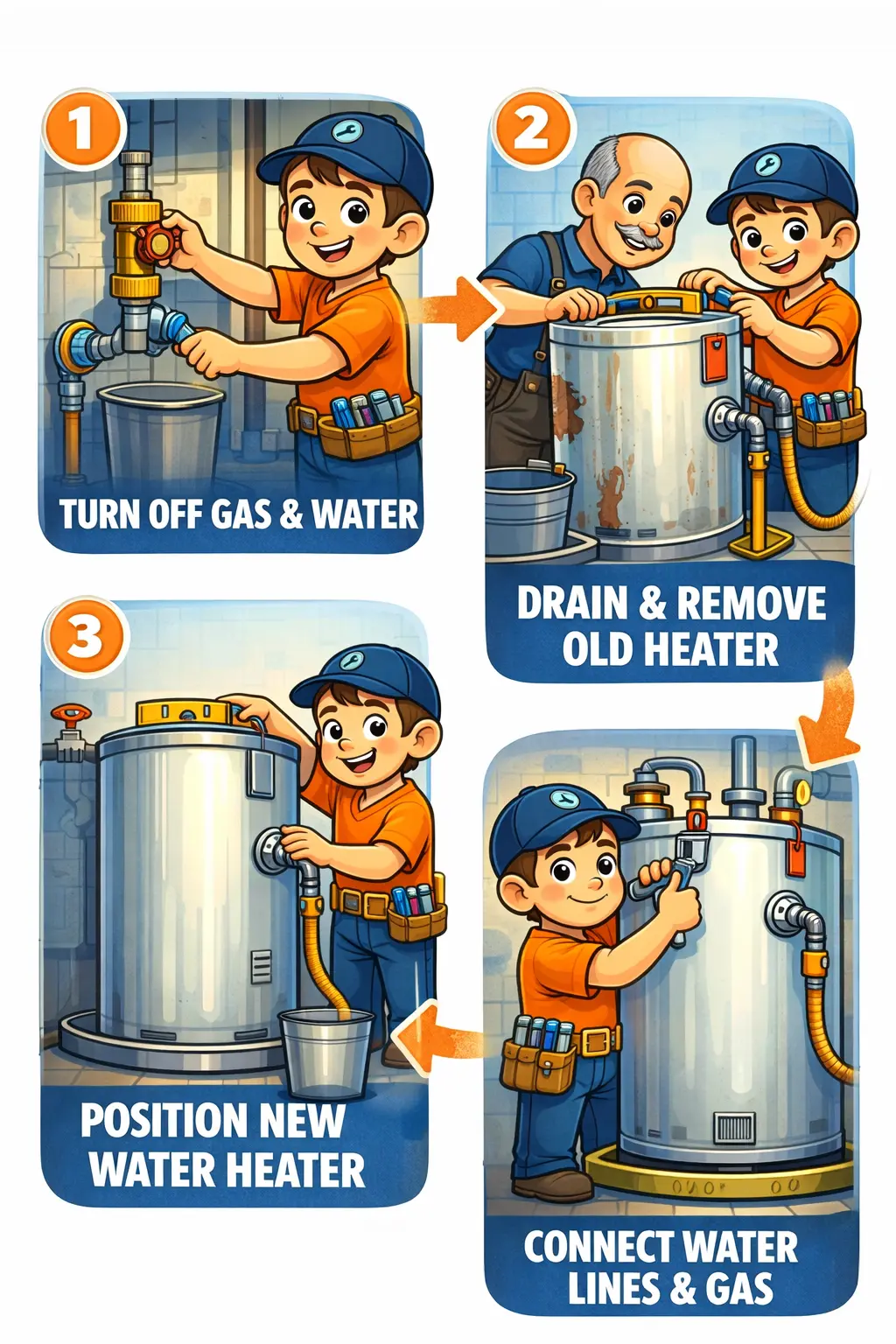
If you’re planning replacement and want a clean, verified install, start here: Water Heater Installation Near Me.