Water Heater Replacement Cost Factors (What Really Changes the Price)
Water heater replacement cost isn’t just the price of the unit. The final quote usually changes based on equipment type, installation requirements, access, and whether the job is a simple swap or a full upgrade.
This guide breaks down the most common factors that affect water heater replacement pricing—so you can understand what you’re paying for and avoid surprise add-ons.
The “Baseline” Replacement Scenario
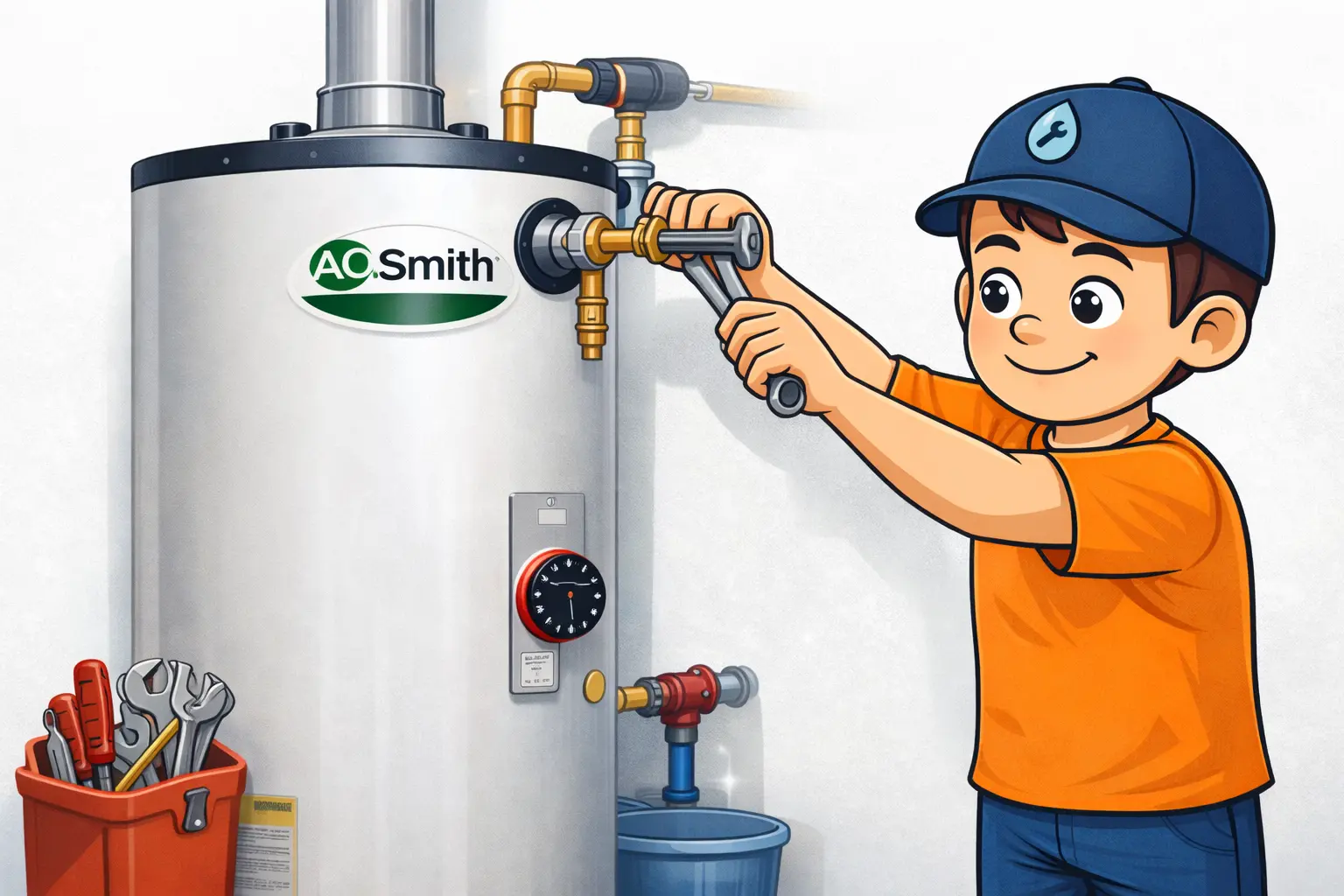
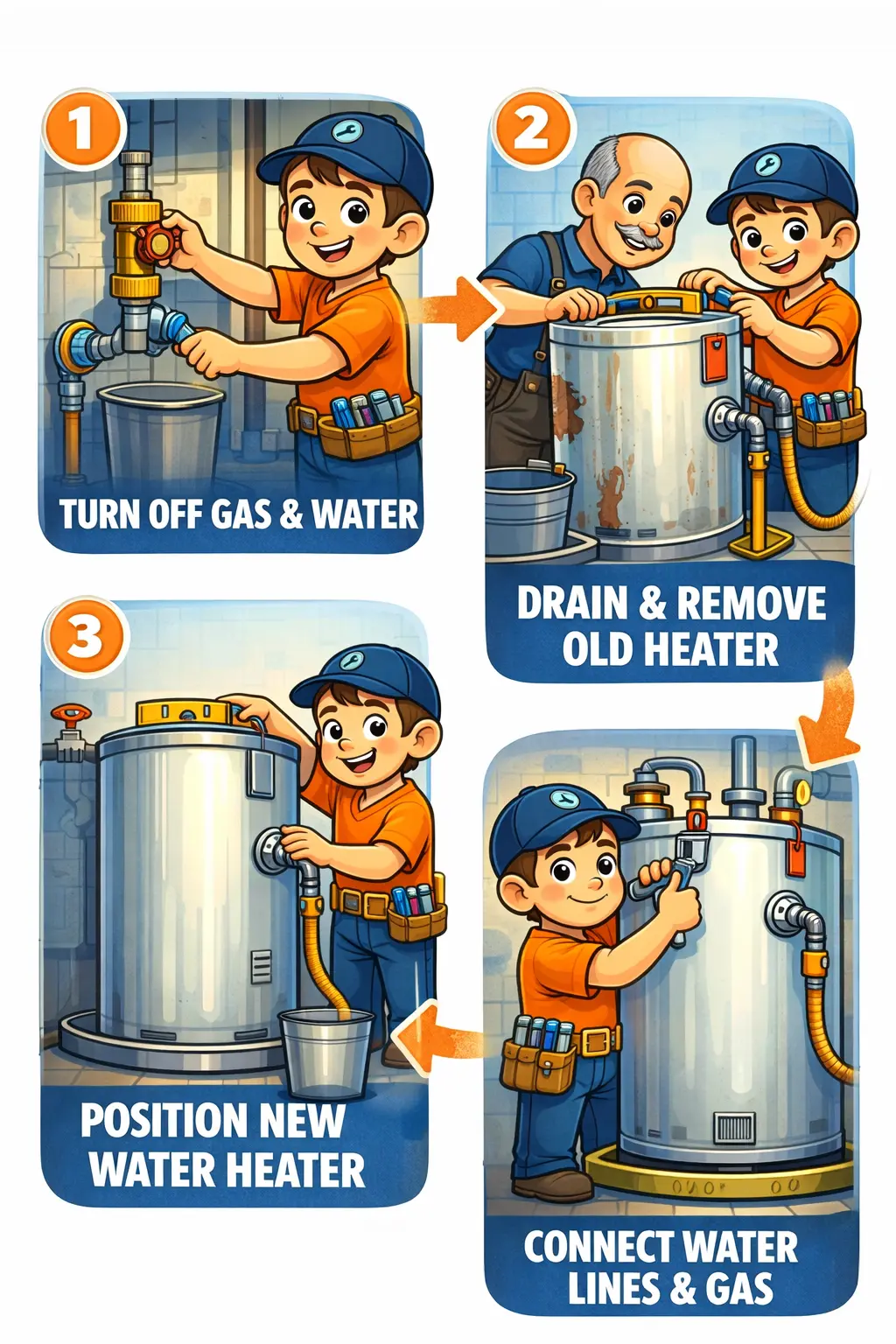
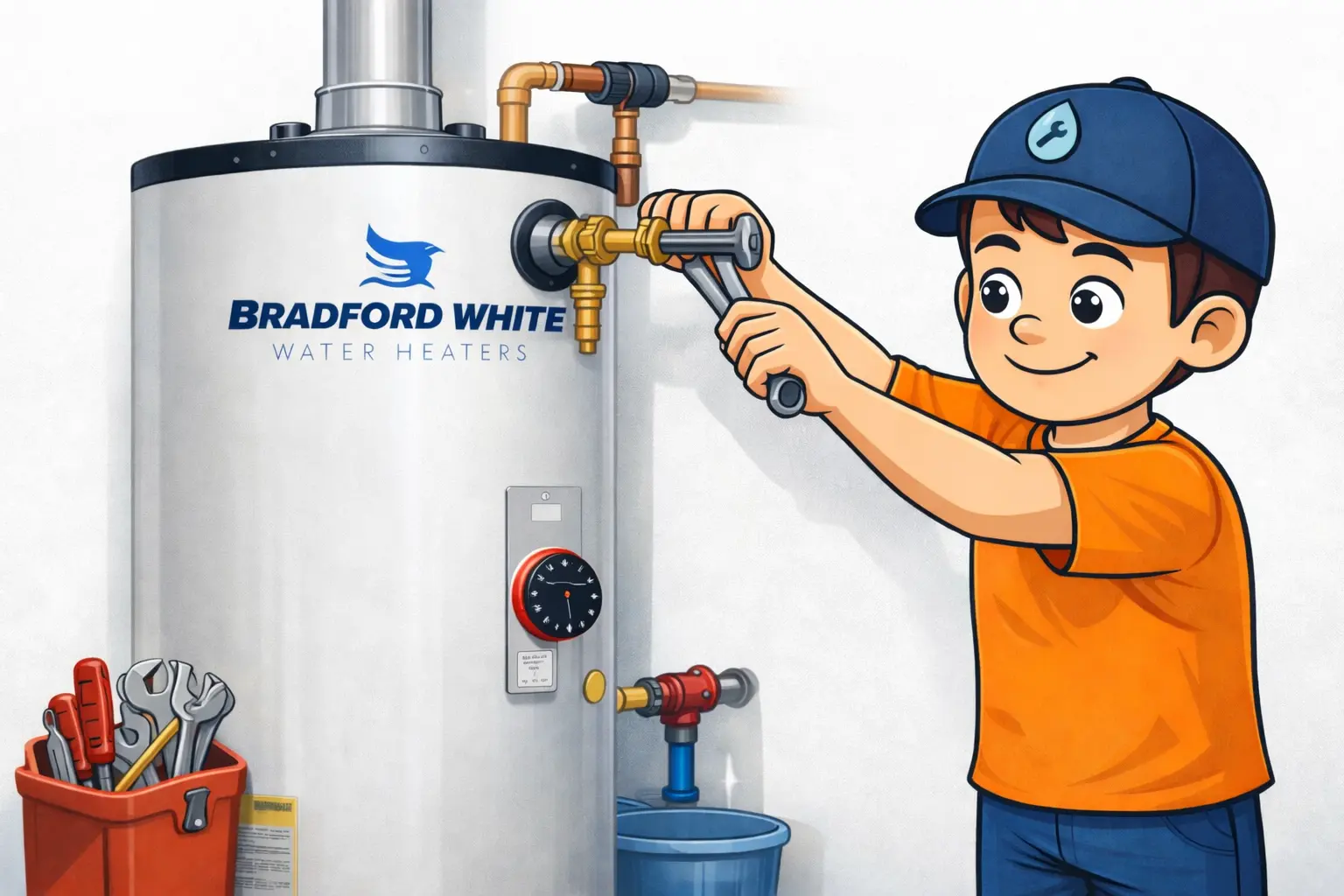
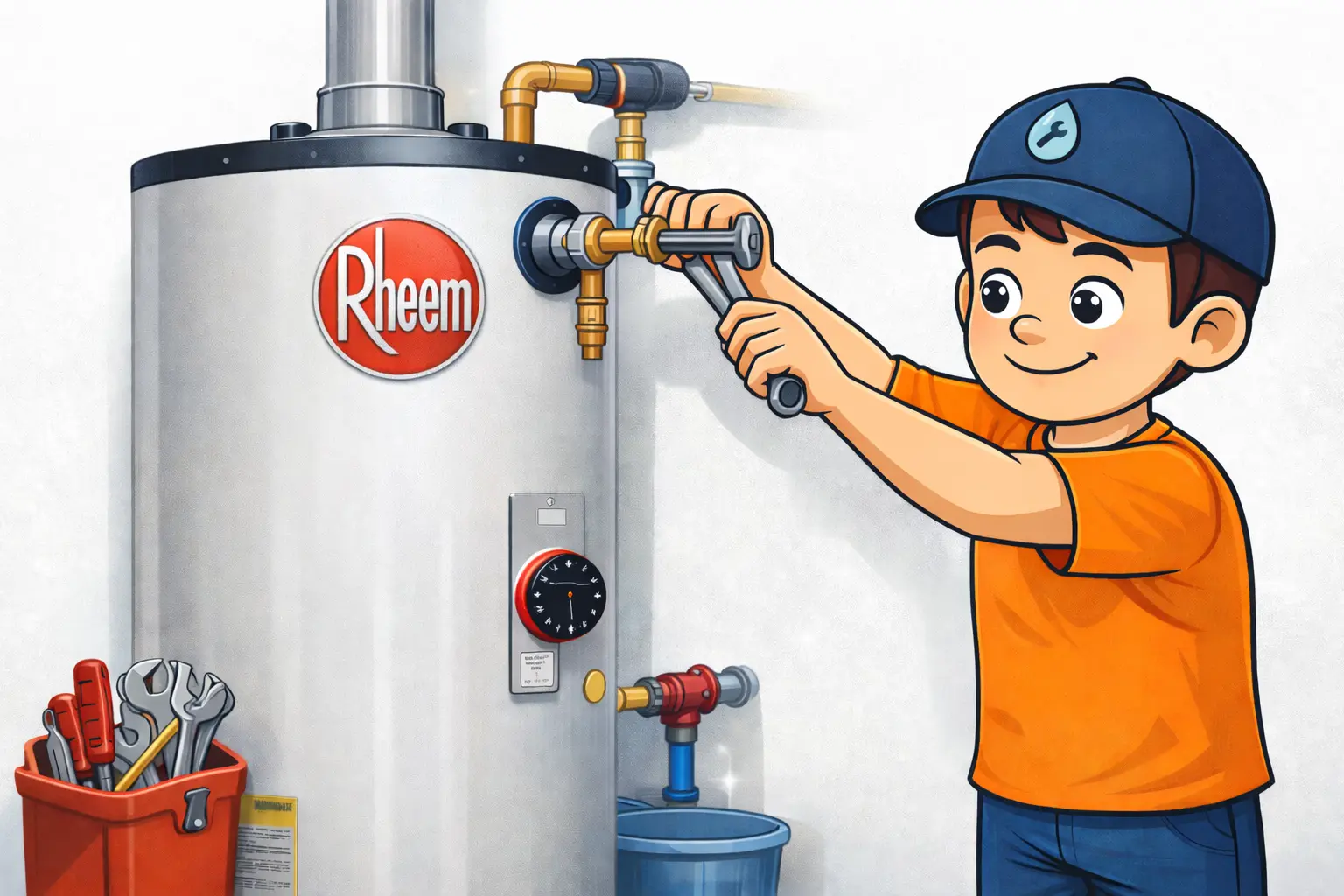
The simplest (and usually lowest-cost) replacement is a straight swap: same fuel type, same general location, easy access, and no major upgrades required.
The more your project moves away from that baseline—upgrades, conversions, relocation, venting changes, tight access— the more labor and materials are typically involved.
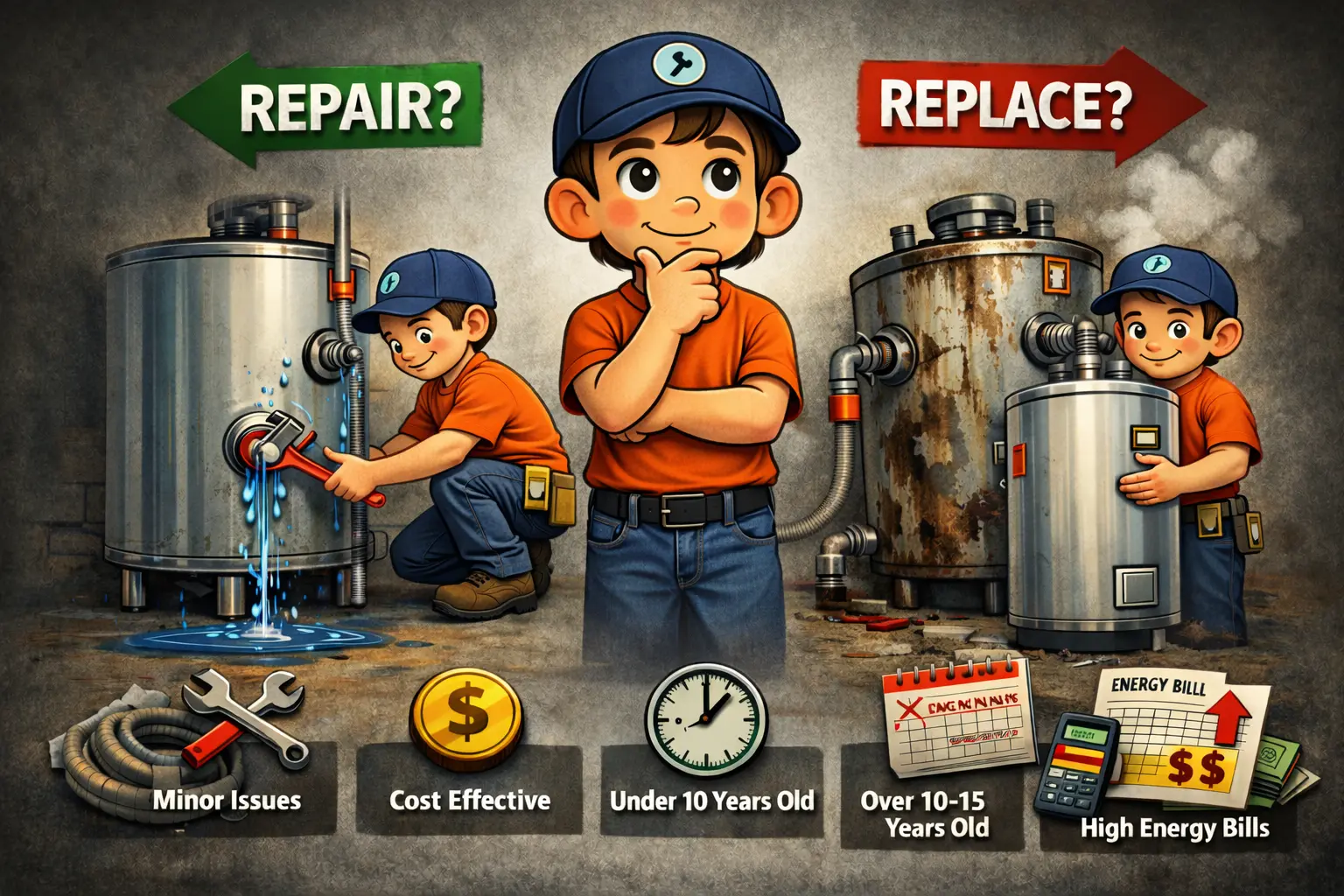
If you’re still deciding whether you even need replacement, start here: Water Heater Repair vs Replacement and Signs You Need a New Water Heater.
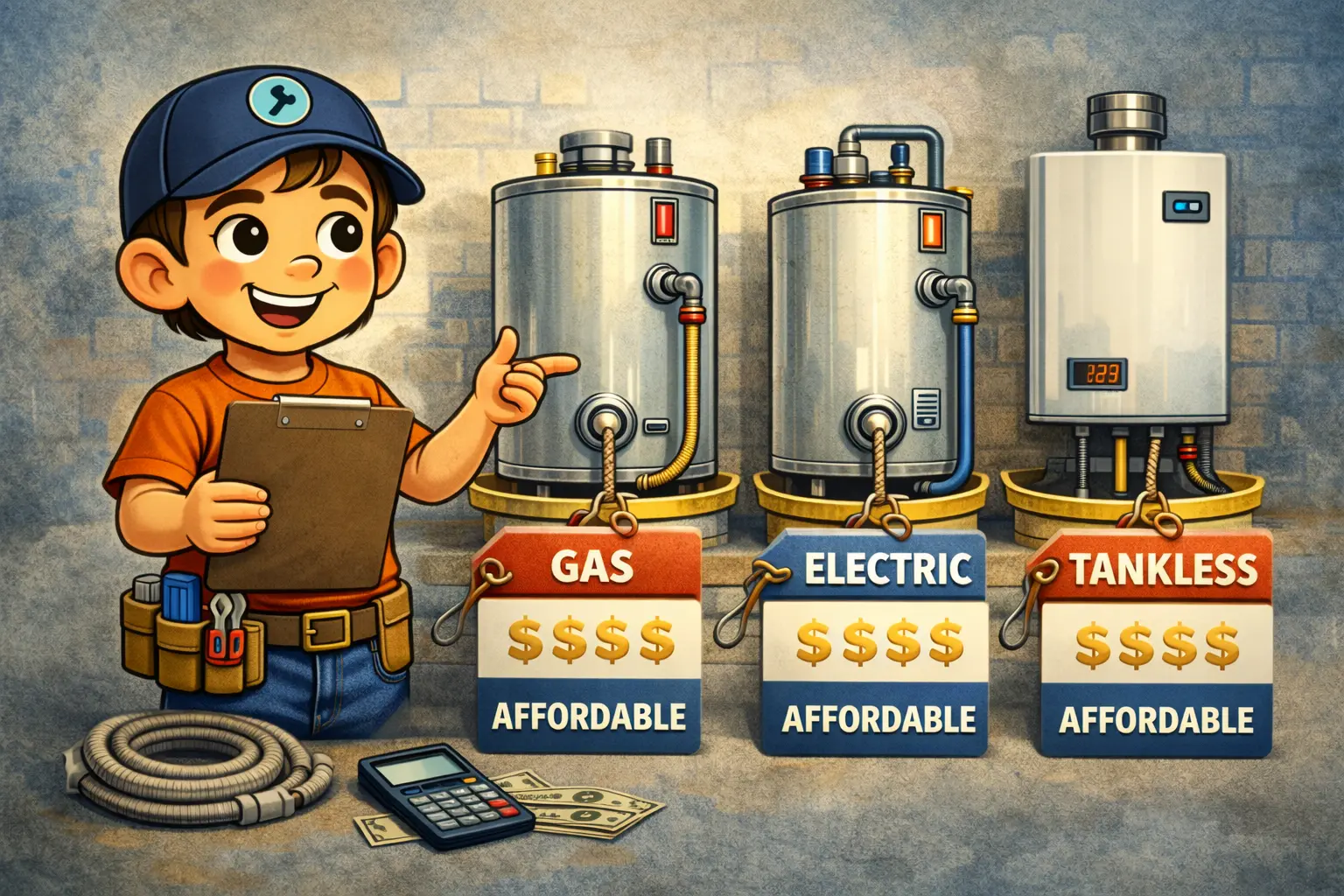
1) Unit Type (Tank vs Tankless, Gas vs Electric)
Unit type is usually the biggest cost driver. Not because one is always “better,” but because the installation requirements can be very different.
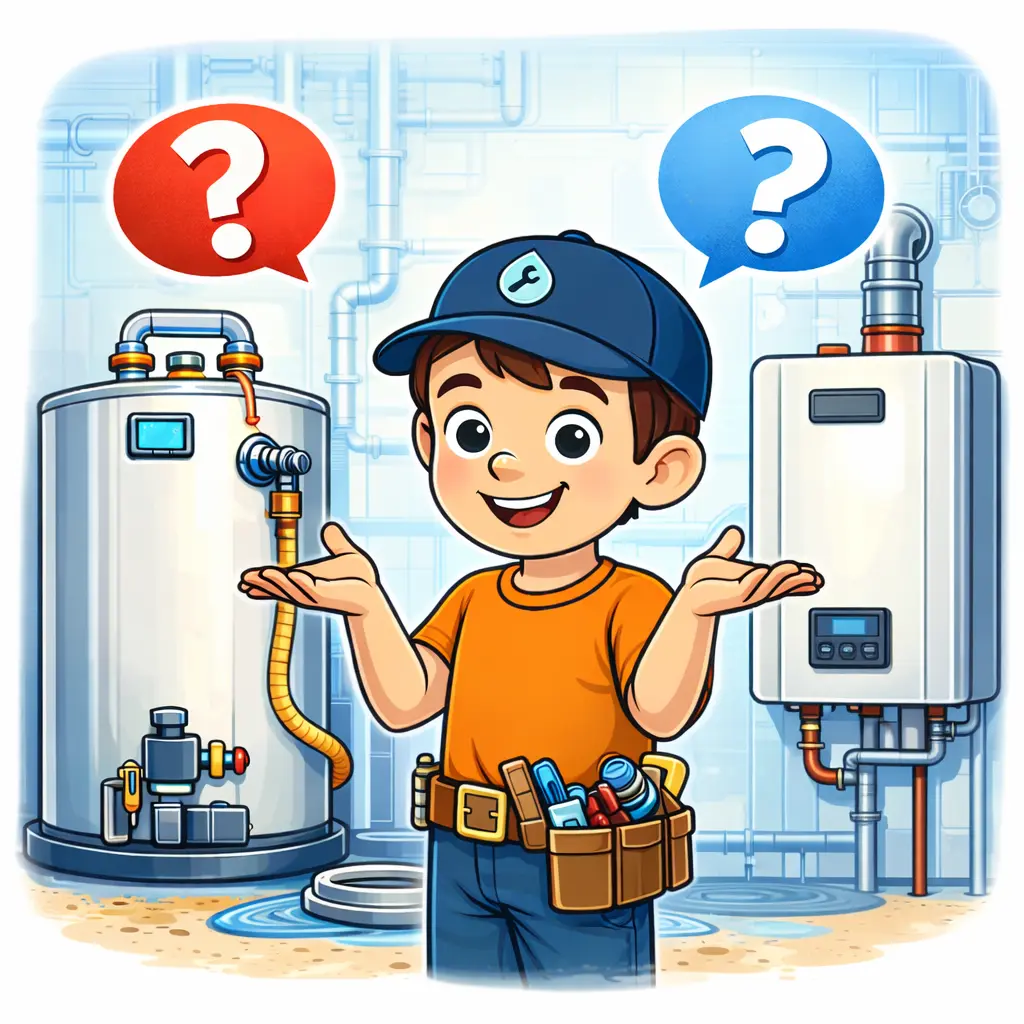
Tank vs tankless
- Tank replacement: often simpler when swapping the same fuel type in the same location.
- Tankless upgrade: may involve venting changes, gas line sizing (for gas tankless), or electrical upgrades (for electric tankless).
If you’re comparing the two, read: Tank vs Tankless Water Heater.
Gas vs electric
- Gas: venting, combustion air, and safe gas connections are major factors.
- Electric: breaker capacity and wiring must match the unit requirements.
Want a “best option” overview? This page is built for that intent: Best Water Heater Installation Service Near Me.
2) Capacity & Performance Needs (Sizing Matters)
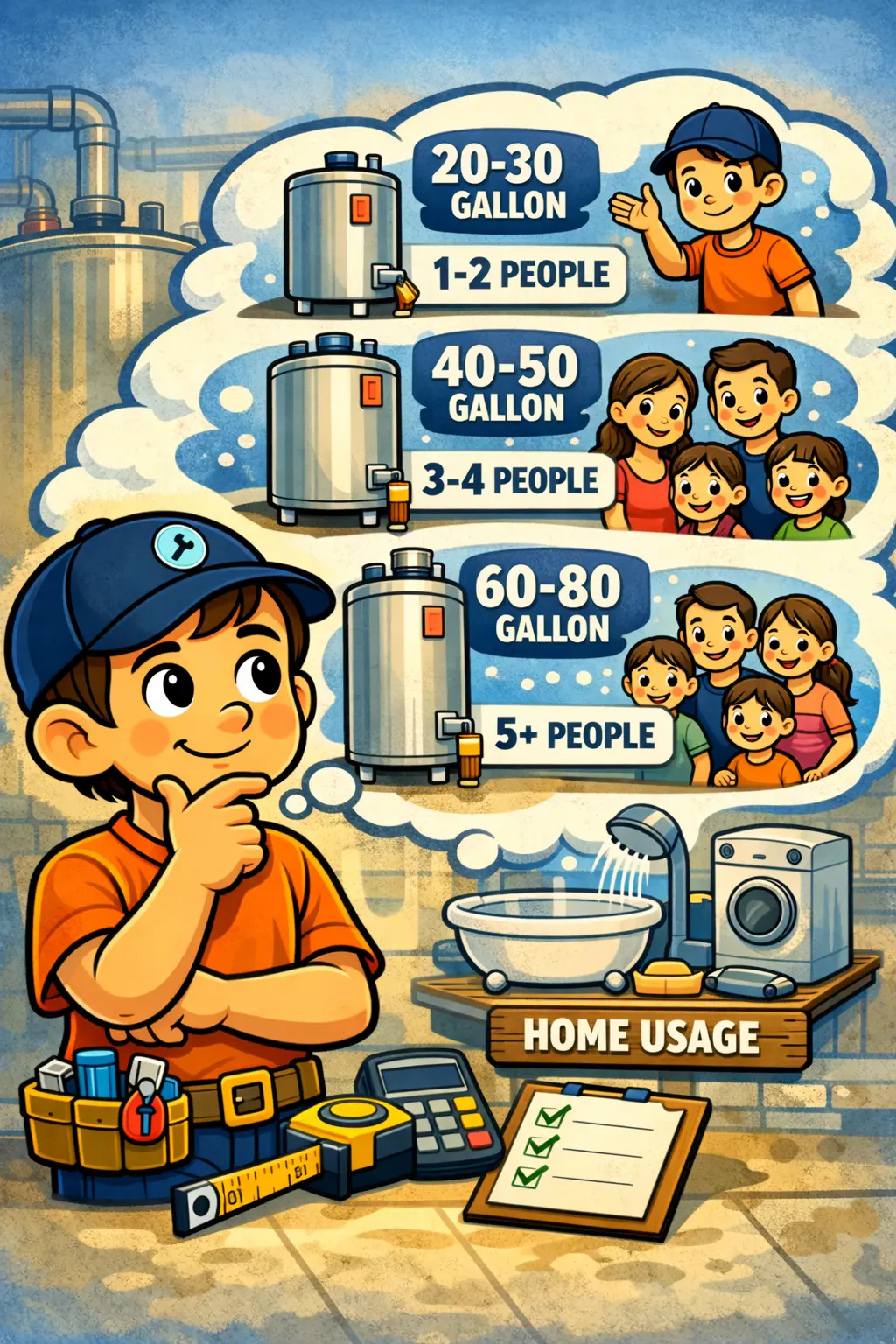
A larger tank or a higher-performance tankless setup typically costs more. But the goal isn’t “bigger just in case.” The goal is the right size for your household’s peak hot water usage.
- Oversizing can increase cost and energy use.
- Undersizing can lead to running out of hot water and unnecessary stress on the unit.
- Upgrading fixtures (multi-head showers, large tubs) can increase demand.
Use these guides to get sizing right: Water Heater Sizing Guide and What Size Water Heater Do I Need?.
3) Installation Requirements & Code/Safety Updates
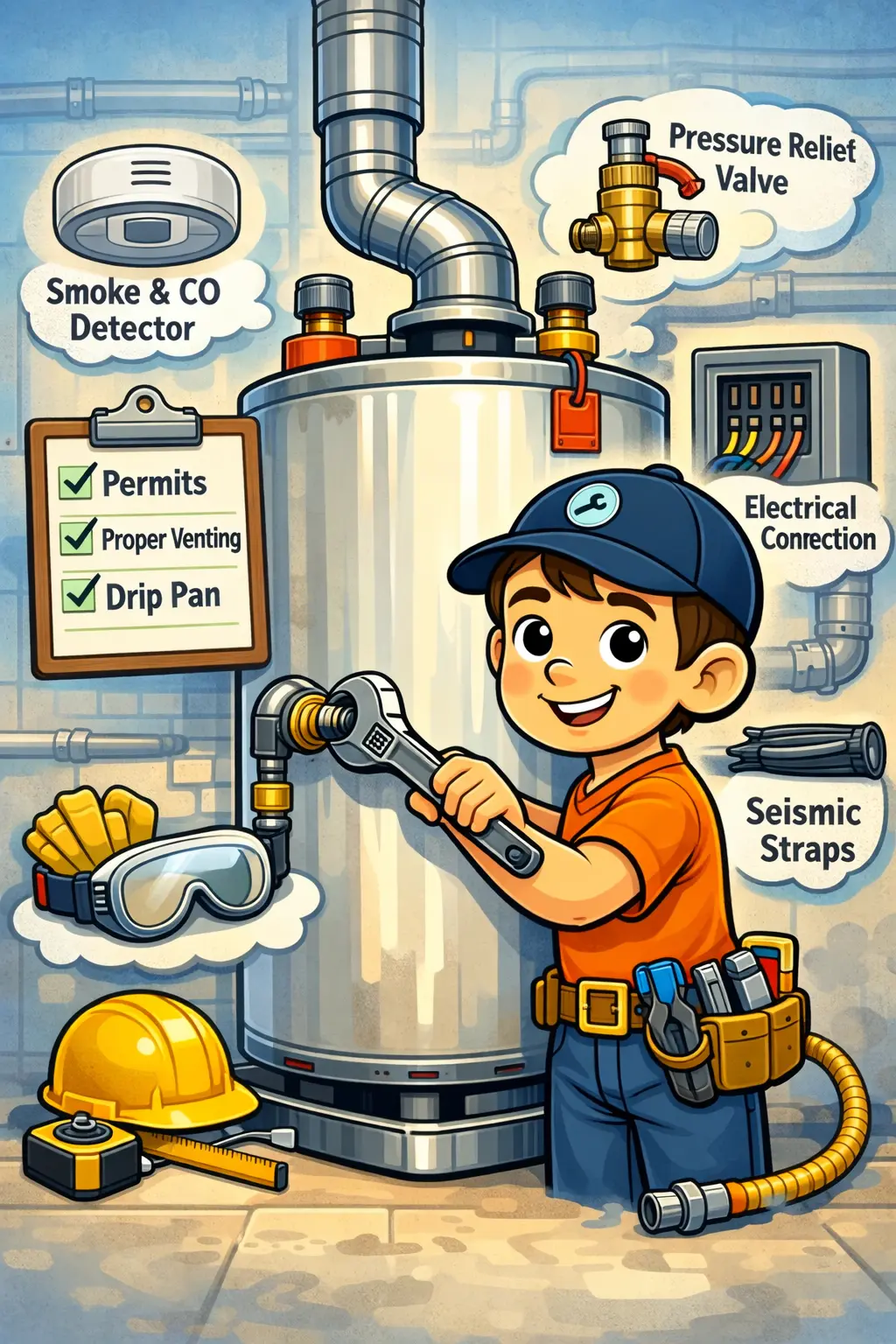
Even a “simple swap” can become more involved if updates are needed for safety, reliability, or local requirements. This is often where quotes change—because doing it correctly means addressing what’s already there.
Common upgrades that can affect cost:
- Shutoff valves (water and/or gas) if the current valve is old, seized, or missing
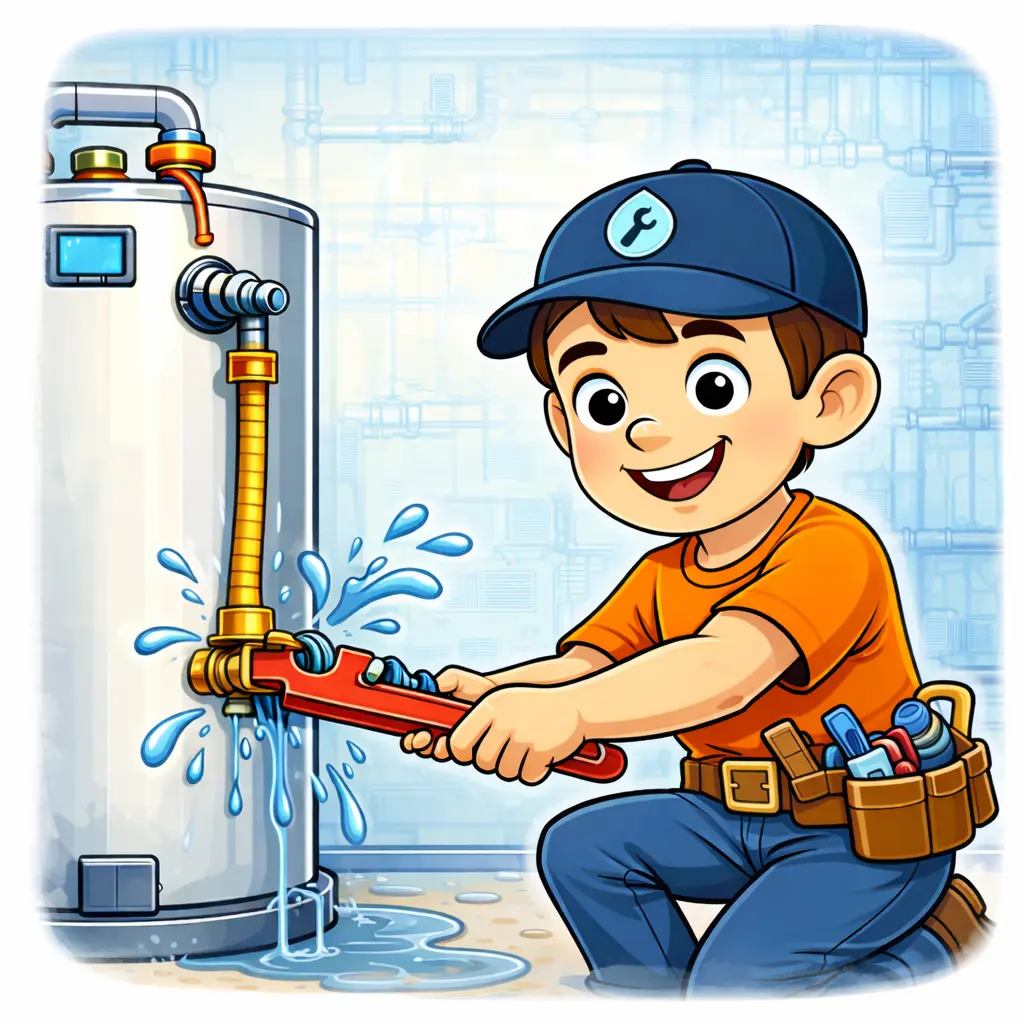
- Supply line updates if corrosion, mismatched fittings, or poor connections are present
- Venting adjustments for gas units (especially for tankless conversions)
- Drain pan + drain line to protect the home where needed
- T&P relief discharge routing installed properly and safely
- Expansion tank when required by system conditions (common in closed systems)
- Placement changes if the current location is unsafe, non-compliant, or prone to damage
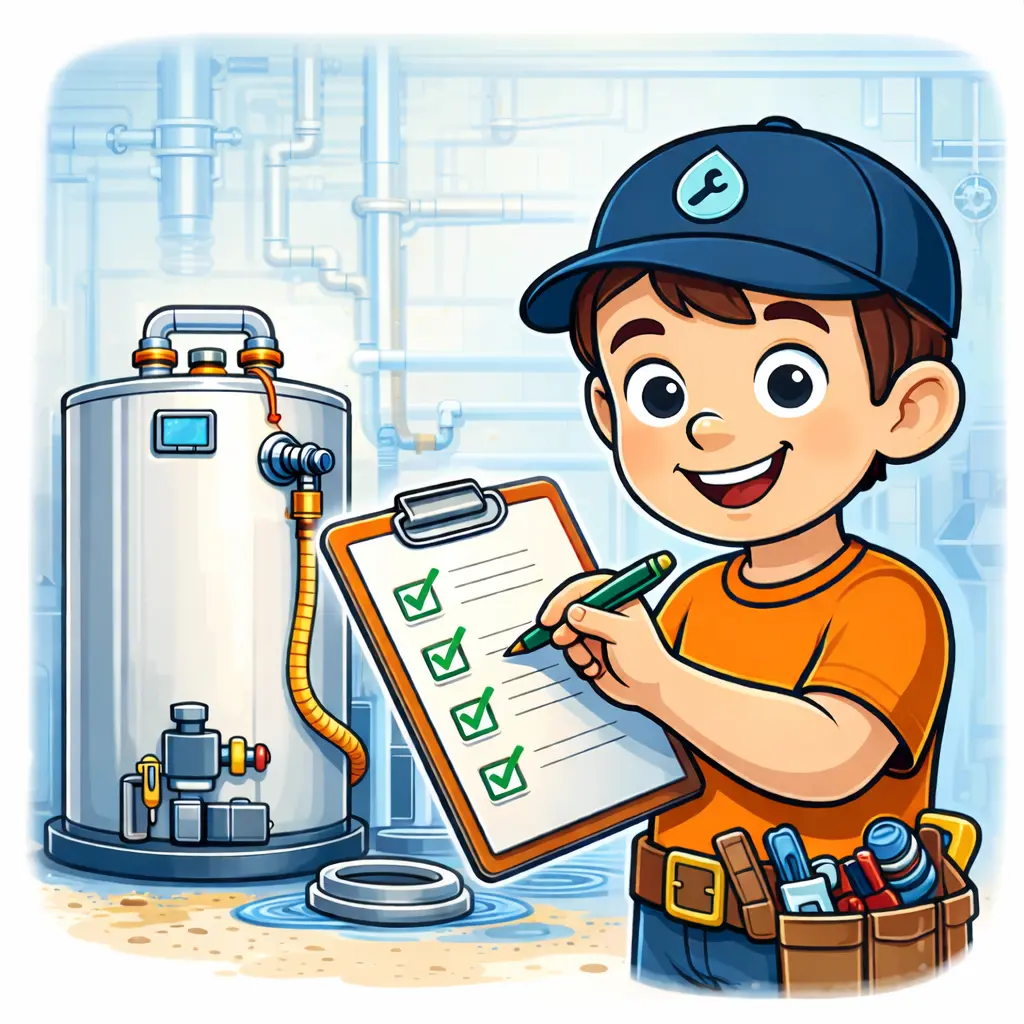
For a deeper breakdown of what’s commonly required, see: Water Heater Installation Requirements. And to understand what “good” looks like, use: Water Heater Installation Checklist.
If you want the full walkthrough, this guide connects the dots: Water Heater Installation Guide.
4) Access & Location (Labor Time)
Labor time is a real cost factor. A clean install in an open garage is not the same as a tight closet, attic, or cramped utility room—especially if water lines, venting, or electrical access is limited.
- Tight closets: less working room, more time, higher risk of cosmetic damage if not protected
- Attic installs: additional safety and access considerations
- Hard-to-reach areas: moving equipment and draining/removing the old unit can be more involved
- Relocations: often require new routing for water, gas, venting, or drain lines
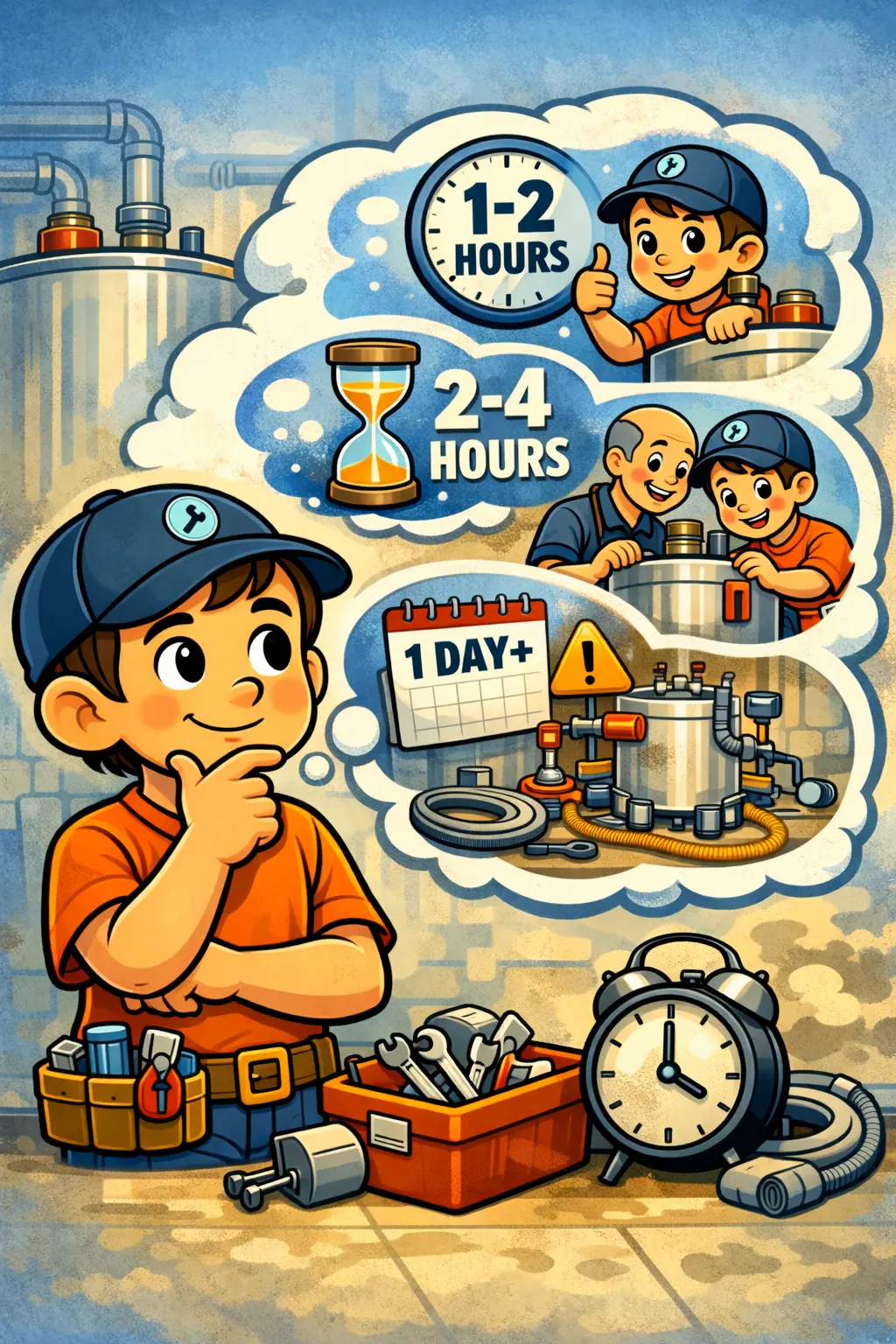
Wondering about time expectations? Read: How Long Does Water Heater Installation Take?.
5) Existing System Condition (Old Valves, Corrosion, Leaks)
Sometimes pricing changes because the existing system is already damaged or worn out. If an installer has to rebuild a portion of the setup to make it safe and reliable, that adds materials and time.
- Corroded fittings that can’t be reused
- Seized shutoff valves that won’t fully close
- Active leaking that requires urgent mitigation
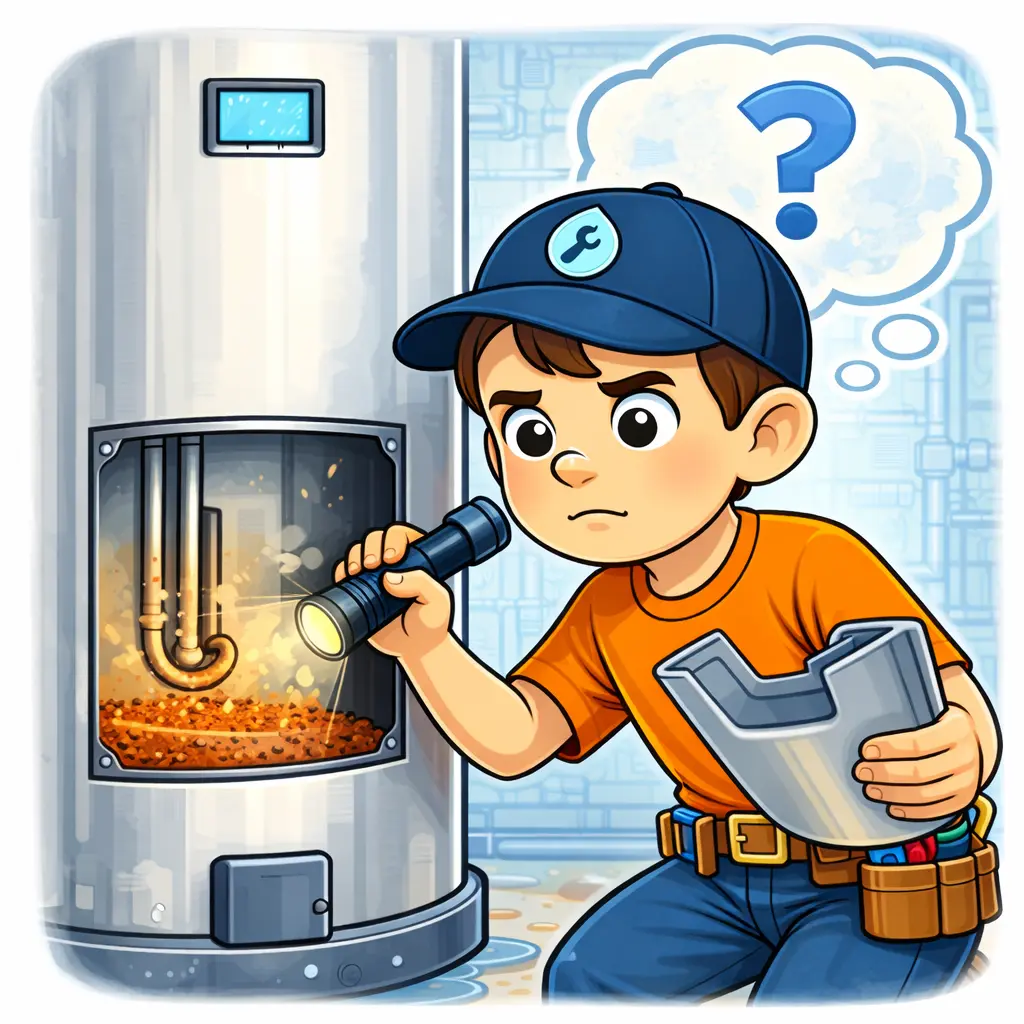
- Sediment issues that may point to aging and reduced performance
If your heater is leaking right now, follow this first: Water Heater Leaking: What to Do. If you suspect sediment or popping noises: Water Heater Sediment Symptoms.
6) Same-Day / Emergency Scheduling
If a tank fails and water is leaking, speed matters. Emergency scheduling can change logistics—especially if the job requires a specific unit, additional parts, or a complex upgrade that can’t be safely rushed.
For emergency scenarios, start here: What to Do in a Plumbing Emergency and Emergency Water Heater Repair Near Me.
If you need immediate service options, these pages help: Emergency Plumbing Near Me and Water Heater Repair Near Me.
A Simple Way to Think About Your Quote
- Straight swap (same fuel type, same location, easy access) is usually the simplest quote.
- Upgrades or conversions (tankless, relocation, venting changes, gas/electrical upgrades) are usually more involved.
- Safety updates (valves, pans, expansion tanks, discharge routing) can legitimately change the scope—because they protect your home.
A clean replacement plan usually starts with:
- Do we need repair, or is the tank failing?
- If replacing, do we want a standard tank swap or an upgrade?
- What requirements apply to our setup (fuel type, venting, access)?
Next Steps + Related Guides
If you’re planning a replacement and want to understand the install quality side, these are your best next reads:
- Repair vs Replacement
- Tank vs Tankless
- Installation Requirements
- Installation Process
- Installation Checklist
- Water Heater Sizing Guide
- Affordable Replacement Options
- Installation Timeline
If you want help with a replacement plan or want to schedule service, visit: Water Heater Installation Near Me. For local service pages: Clearwater, Largo, and Belleair Bluffs.